
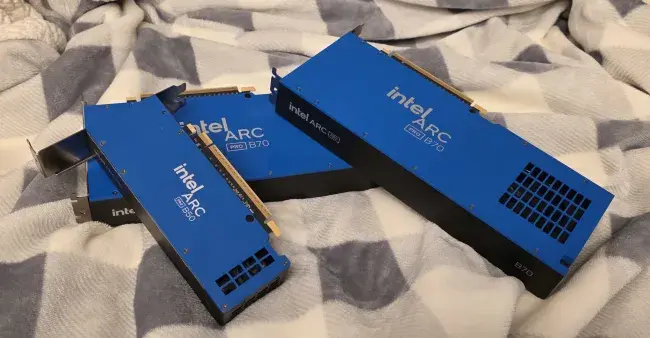
Intel engineer Konstantin Sinyuk submitted a Request for Comments (RFC) to the Linux kernel mailing list on August 25, 2024, introducing DRM Fabric. This proposal aims to establish a vendor-neutral, protocol-agnostic topology infrastructure for GPU and AI accelerator interconnects within the Linux kernel. The move addresses a critical gap in the current Linux ecosystem, which lacks a generic infrastructure to report accelerator connections. Without such a standard, developers must rely on vendor-specific private driver definitions that fragment the software landscape.
New Linux kernel RFC creates unified topology for GPU and AI accelerators
DRM Fabric defines a clear hierarchical model consisting of Structure Domain, Endpoint, Port, and Peer Node. This structure allows the kernel to map complex hardware connections in a consistent manner. The design explicitly uses Generic Netlink rather than sysfs or Devlink to manage these relationships. This choice better supports multi-object, event-driven models required for modern interconnect topologies.
- Topology Model: Structure Domain -> Endpoint -> Port -> Peer Node
- Interface Technology: Generic Netlink
- Patch Series Count: 12 patches
- Read-only Milestone: Patches 1-6
- Privileged Configuration: Patches 7-12
The submitted patch series contains 12 patches that implement this new framework. The first six patches provide a complete read-only functionality milestone. These initial patches allow the system to query and display the existing topology without modification. The remaining six patches, numbered 7 through 12, add privileged configuration capabilities. These advanced features enable software-defined changes to the Structure Domain settings.
The hardware provider API design in this proposal references AMD's open AMDGPU xGMI implementation. This reference suggests an effort to align with existing open-source standards for interconnect management. We look at DRM Fabric as a potential step toward unifying how Linux handles diverse accelerator hardware. The source indicates this effort is likely preparing for Intel's upcoming Crescent Island AI accelerator, though this remains an inference rather than a confirmed fact.


Discussion
0 comments
Log in to join the thread with a thoughtful take, question, or correction.