
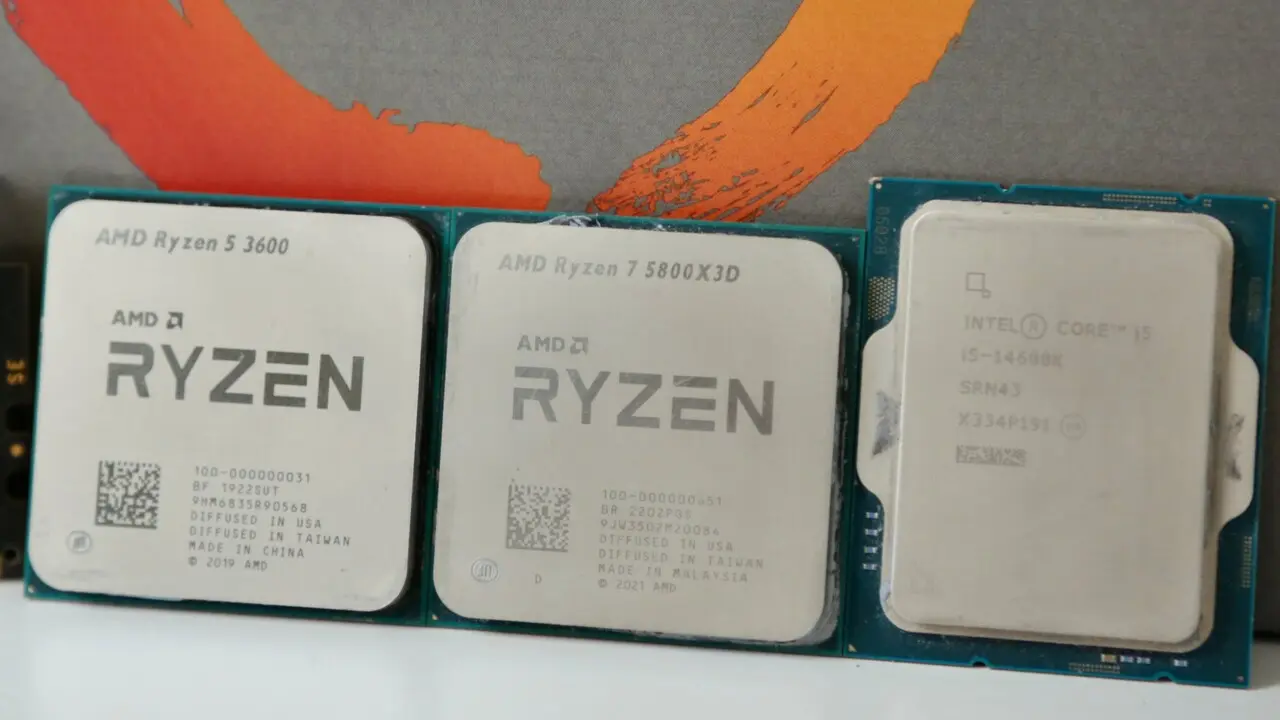
The x86 desktop processor market is shrinking, yet AMD is gaining ground. Monitoring these trends helps identify which processor architectures will remain relevant to consumers over the long term. AMD crossed the 30% combined client CPU threshold in the second quarter of 2026. This achievement represents the first instance where AMD's desktop market share exceeded 33.3 percent.
AMD desktop share rises to 34.9% while mobile remains lower
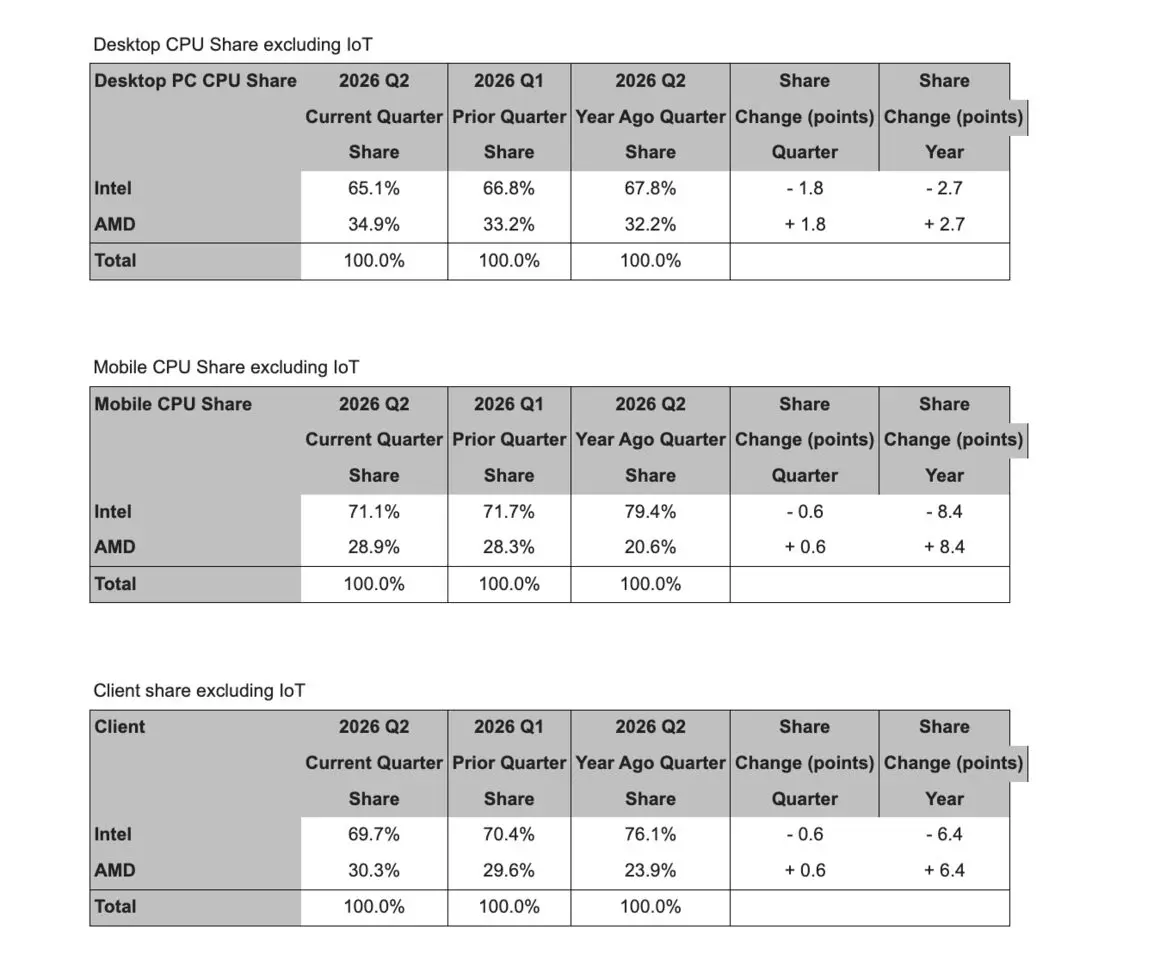
AMD captured 34.9% of the desktop CPU market in that period. This figure represents a 1.8 percentage point increase from the previous quarter. It also reflects a 2.7 percentage point gain compared to the same time last year. Intel held the remaining 65.1% of the desktop segment.
The mobile processor market shows a contrasting trend with a lower share of 28.9 percent. AMD reached 28.9% of the laptop market, while Intel retained 71.1%. The combined client share for AMD settled at 30.3%. Arm-based processors also improved, reaching 15.3% of the total client market.
AMD maintained a significant presence in the server market with a 34.5 percent share. The company held 34.5% of that segment in the second quarter. Jon Peddie Research cited a slightly lower figure of 33.4% for the same period. Desktop sales volumes dropped by more than 20% year-over-year, creating a smaller total market.
We looked at AMD and Intel Define ACE x86 in our earlier coverage of processor extensions. This technology is designed to enhance AI matrix computation capabilities across x86 architectures. AMD continues to expand its share in a contracting desktop environment.
AMD now holds a third of the client CPU market. Intel remains dominant in laptops but lost significant desktop share. A broad contraction in desktop processor sales has constrained overall revenue growth for both AMD and Intel.
Discussion
0 comments
Log in to join the thread with a thoughtful take, question, or correction.