
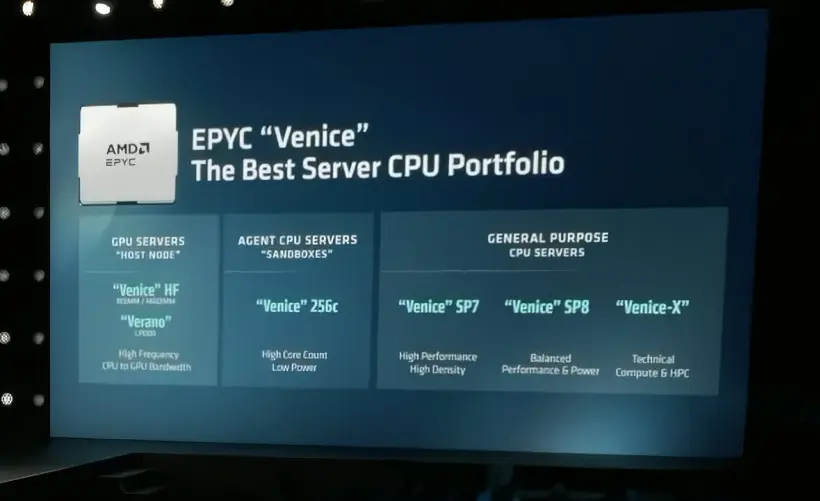
Server buyers looking for the next generation of high-performance computing should mark 2027 on their calendars. AMD officially introduced the EPYC Venice-X processor at its Advancing AI 2026 event, setting the stage for a major shift in cloud infrastructure capabilities. This announcement matters because the new chip targets the most demanding technical computing and high-performance computing (HPC) workloads available today. Organizations relying on Microsoft Azure will see these processors deployed in HXv2 instances starting next year.
176 Zen 6 cores and 3D V-Cache boost HPC performance
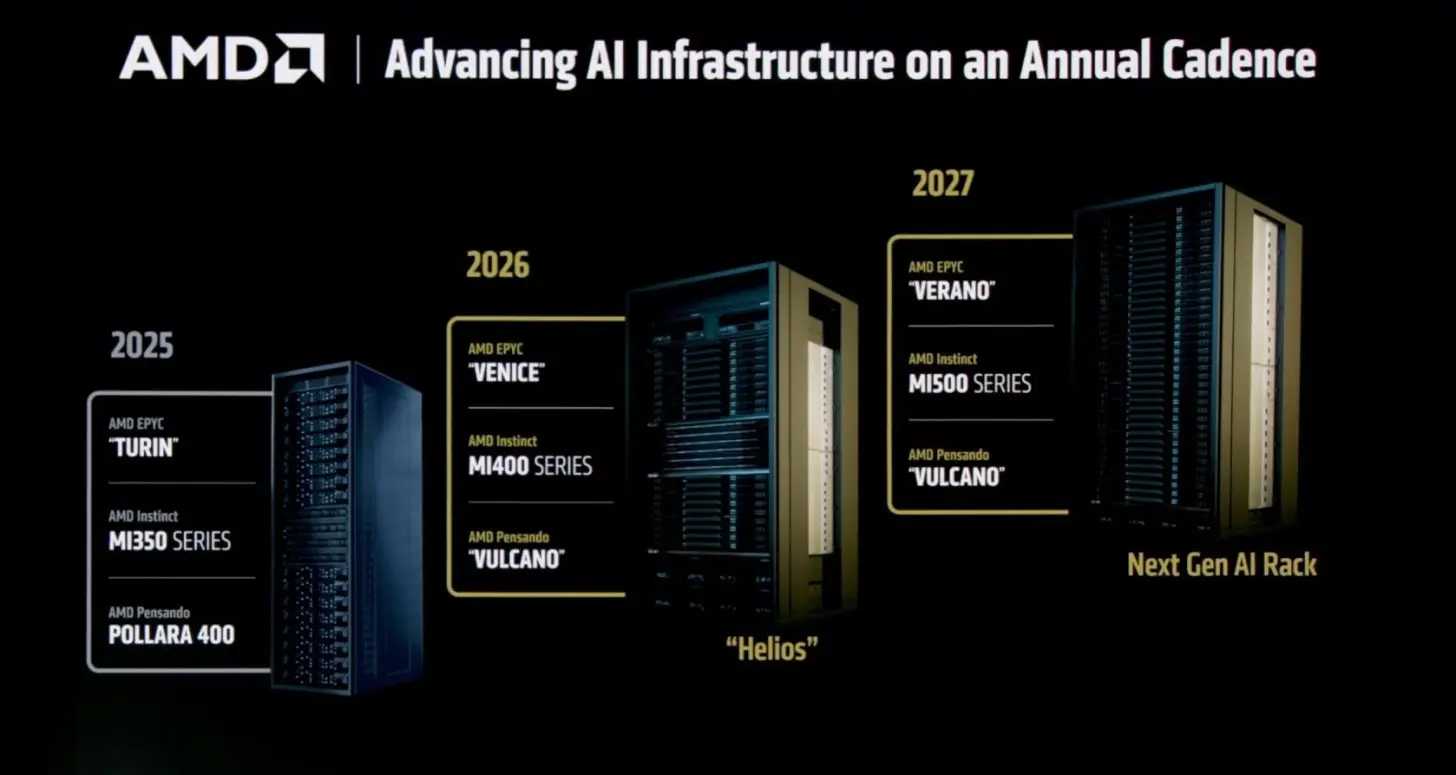
The EPYC Venice-X is built on AMD’s Zen 6 architecture and represents a significant leap in core density for server environments. The processor integrates 176 cores and supports 342 threads to handle massive parallel workloads. AMD confirmed that the chip will run at frequencies exceeding 5GHz, a benchmark that underscores its raw computational power. This architecture forms the backbone of the new EPYC Verano line, which is designed specifically for AI agent applications.
EPYC Venice-X Specifications
- Core Count: 176
- Thread Count: 342
- Clock Speed: Over 5GHz
- Architecture: Zen 6
- Cache Technology: 3D V-Cache
A key differentiator for Venice-X is the integration of 3D V-Cache technology, which dramatically increases memory access speeds for compute-intensive tasks. AMD states that the addressable cache capacity per core has increased by 50% compared to the previous generation. This cache enhancement directly provides stronger technical computing and HPC capabilities by reducing latency for large datasets. The chip also marks the first time a CPU supports the new SOCAMM2 memory form factor, which leverages LPDDR5X DRAM modules.
The adoption of SOCAMM2 allows technology suppliers to maximize memory density while maintaining high bandwidth and energy efficiency. LPDDR5X DRAM modules provide the high capacity required for modern AI and HPC workloads without the power overhead of traditional server memory. AMD confirmed that it will release both the EPYC Verano and the 3D V-Cache enhanced Venice-X CPU in 2027. The exact release date within that year remains unconfirmed, but the deployment in Microsoft Azure HXv2 instances is planned for that timeframe.



Discussion
0 comments
Log in to join the thread with a thoughtful take, question, or correction.