
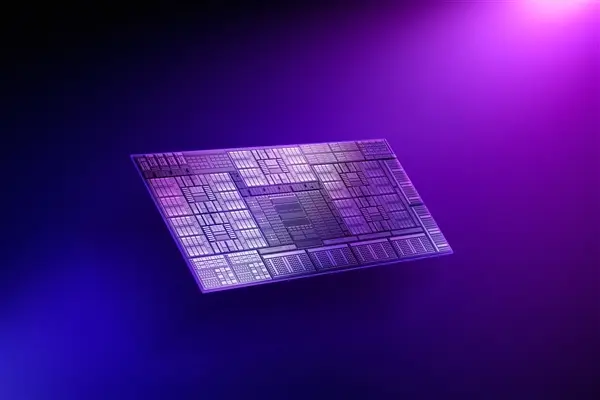
Intel and Hitachi have joined forces to build a silicon-based quantum computing platform using Intel's 18A process node. This collaboration represents a notable convergence of advanced semiconductor manufacturing and quantum research. This initiative links quantum hardware development directly to Intel's advanced chip fabrication capabilities for industry stakeholders. The collaboration aims to create an open hardware cloud that supports external scientific work.
Hitachi designs 100-qubit chip using Intel's advanced manufacturing node
Hitachi will design a processor chip containing more than 100 qubits using Intel's 18A technology. The two companies will also utilize Intel's quantum process design kit to ensure compatibility. This silicon spin qubit approach belongs to the fault-tolerant quantum computing (FTQC) category. It relies on standard semiconductor facilities and extreme ultraviolet lithography, which simplifies the path to scaling up production.
- Quantum Processor Scale: 1000+ qubits
- Technology Route: FTQC silicon spin qubit
- Initial Chip Design: 100+ qubits
- Integration Method: 3D high-density packaging
The engineering team plans to use 3D high-density packaging to integrate the quantum components. This method lays the groundwork for expanding the qubit array to over 1000 qubits in the future. Intel's 18A process serves as the foundational manufacturing layer for this dense integration. The project emphasizes the development of a scalable hardware platform rather than a single experimental chip.
The first phase involves launching a cloud-based experimental service for external researchers and partners by fiscal year 2027. This service will operate under the G-QuAT platform designation. By fiscal year 2028, Hitachi aims to deliver a prototype 100-qubit silicon quantum computer that includes quantum error correction. The final goal is to achieve a full 1000-qubit 3D integrated silicon quantum processor platform by fiscal year 2030, which corresponds to the calendar year 2029.
Intel previously expected Apple to be the first external customer for its 18A process. Hitachi's announcement now positions the Japanese company as the initial partner for this manufacturing node. This report examines the broader implications of Intel's foundry strategy in the context of these quantum developments.
Discussion
0 comments
Log in to join the thread with a thoughtful take, question, or correction.