
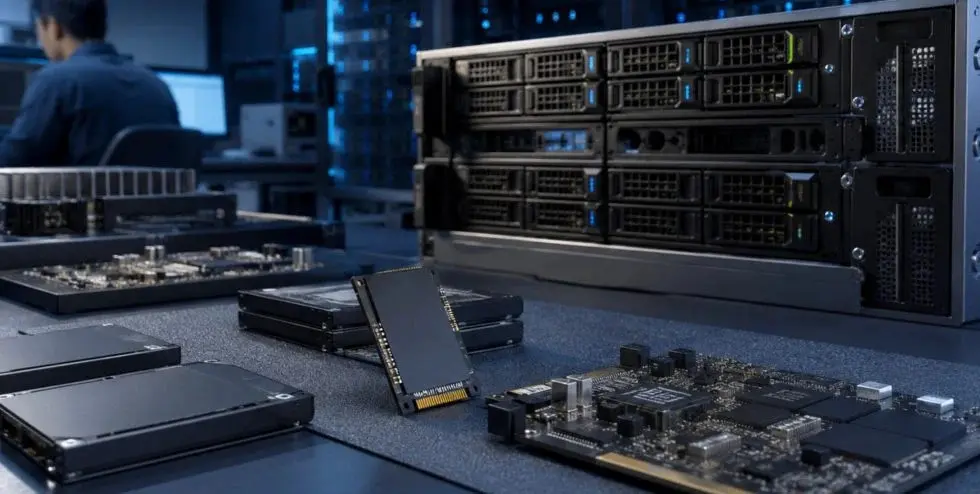
Silicon Motion has officially confirmed that development of its next-generation PCIe Gen7 SSD controller is already underway. This move signals that the storage industry is preparing for a major leap in data transfer speeds, which will eventually impact how quickly high-end computers and servers can access data. Buyers and tech enthusiasts should watch this closely because faster interfaces mean reduced bottlenecks for heavy workloads like AI processing and large file transfers.
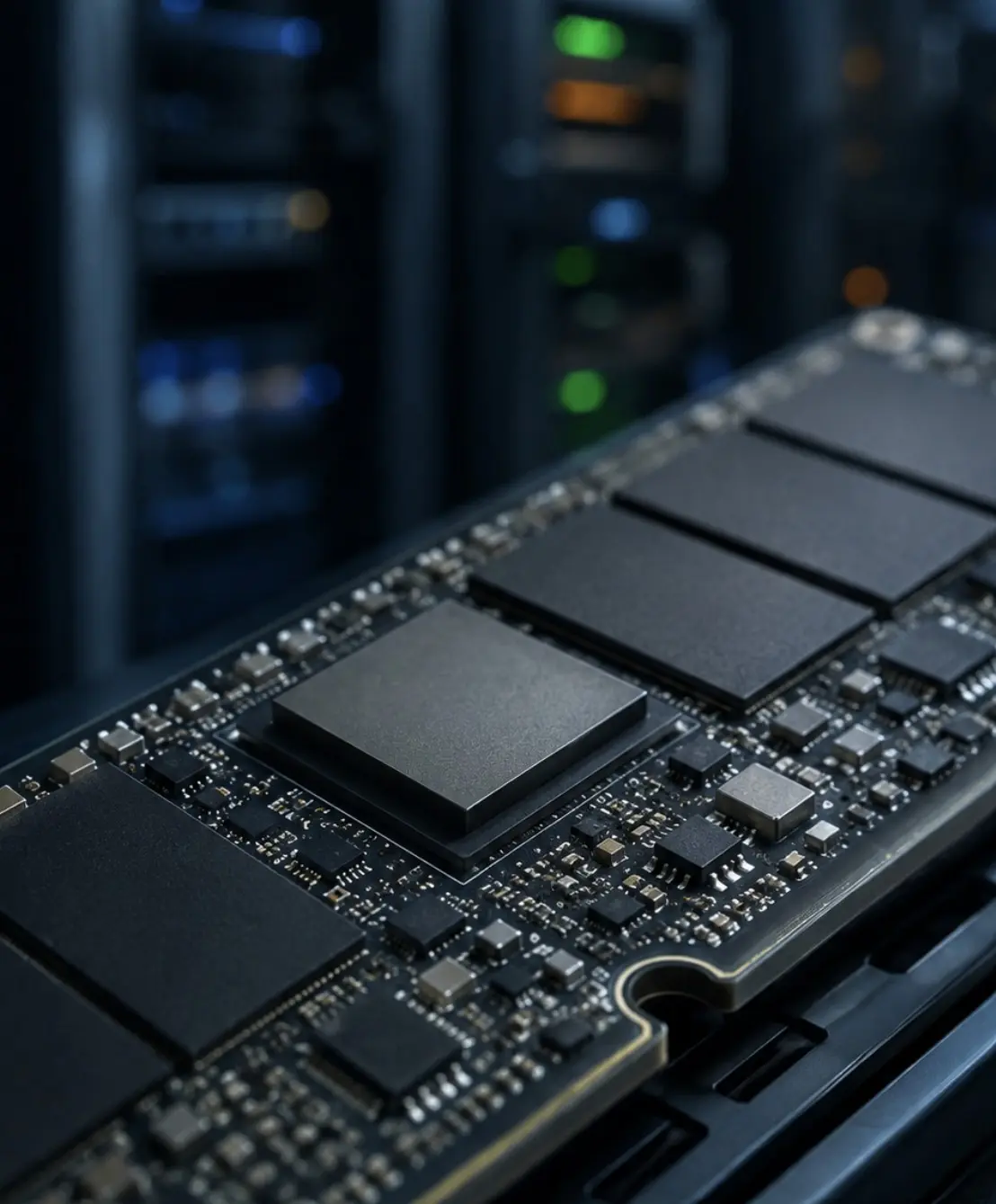
Silicon Motion confirms next-gen controller development
The company is focusing its efforts on a new controller designed to handle the extreme demands of the upcoming PCIe 7.0 standard. While current PCIe 5.0 SSDs max out at approximately 14 GB/s, the new architecture aims to double the bandwidth of PCIe 6.0. This shift represents a significant step up from today's fastest drives, which are already pushing the limits of current consumer hardware.
- PCIe Gen7 Data Rate: 128 GT/s
- PCIe 5.0 Max Throughput: 14 GB/s
- PCIe 7.0 Bandwidth Increase: Double that of PCIe 6.0
PCI-SIG has formally defined PCIe 7.0 to support data rates of 128 GT/s. This specification effectively doubles the available bandwidth compared to the PCIe 6.0 standard. Silicon Motion is addressing the technical challenges of this jump by improving error correction capabilities and adopting flexible hardware designs. These changes are necessary to manage complex NAND structures and maintain stability at higher interface speeds.
The company notes that PCIe 6.0 controllers are already prepared for the enterprise market, while the Gen7 technology remains in the research and pre-development stage. NVIDIA's Storage-Next architecture is cited as a key driver for these future roadmaps, emphasizing the need for high IOPS and low latency in AI environments. Storage is shifting from being a simple capacity concern to a critical component of the compute chain. We looked at Silicon Motion Aligns Client PCIe 6.0 in our earlier Silicon motion coverage.
Silicon Motion emphasizes that significant time is needed before these Gen7 drives reach the consumer market. There is no specific release date provided for when these high-speed SSDs will become available for purchase. The current focus remains on establishing the technical foundation for AI and server workloads rather than immediate consumer availability.
Discussion
0 comments
Log in to join the thread with a thoughtful take, question, or correction.