
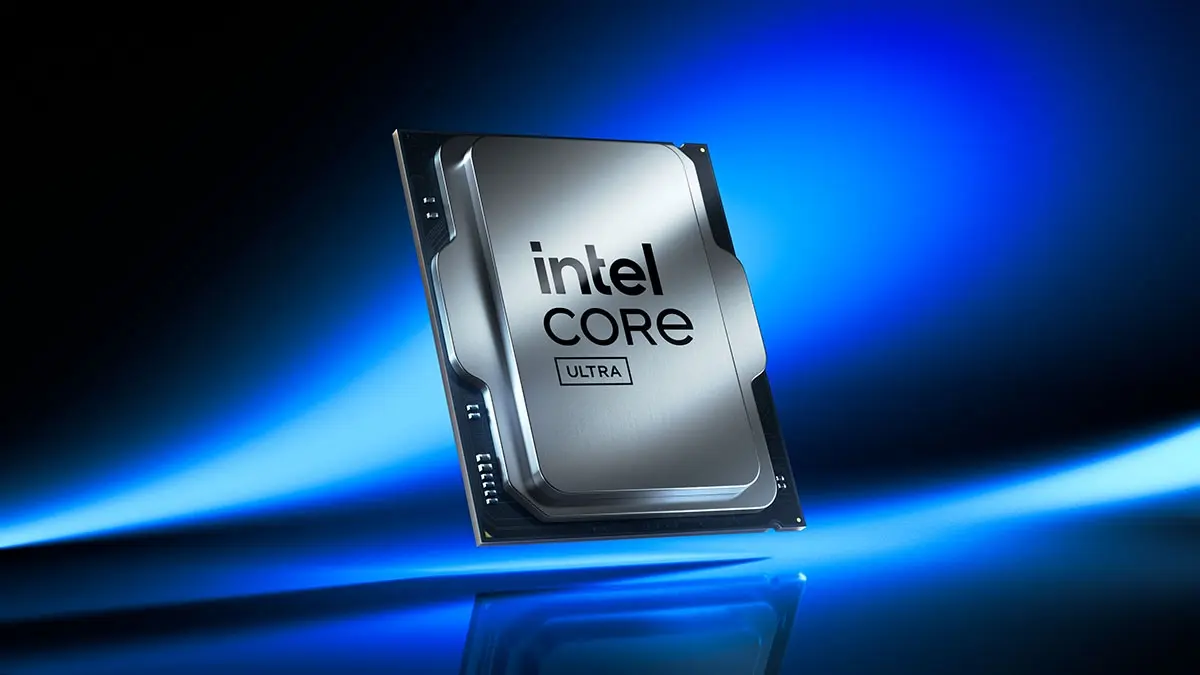
Intel is shifting the manufacturing strategy for its upcoming Nova Lake processors, moving production from external foundries to its own facilities. This change matters because it signals a major step toward Intel's goal of becoming a self-sufficient chipmaker, potentially lowering costs and securing supply for future high-performance CPUs. Buyers and industry watchers should note that this pivot reduces Intel's reliance on TSMC for its next-generation core logic.
Intel pivots Nova Lake manufacturing to 18A, reducing TSMC reliance
The Nova Lake architecture, part of the Core Ultra 400 series, will rely on a modular tile design to integrate its components. Intel plans to produce 80% to 90% of the compute modules for Nova Lake using its internal 18A process technology. This represents a significant reversal from earlier plans, which intended to outsource 60% to 70% of these modules to TSMC's 2nm process.
- Nova Lake Self-Production Ratio: 80%–90%
- Nova Lake Previous Outsourcing Plan: 60%–70% to TSMC
- 18A Process Monthly Capacity: 30,000 wafers
- 18A Fab Locations: Fab 52 (Arizona Octillo), Hillsboro (Oregon)
- Nova Lake Expected Release: Late 2026
Intel's internal manufacturing capacity for the 18A node currently stands at approximately 30,000 wafers per month. This production volume is split between two facilities: Fab 52 in the Octillo area of Arizona and another factory in Hillsboro, Oregon. The company attributes this strategic shift to improved yield rates and better cost efficiency on its 18A line compared to external options.
Nova Lake is scheduled for release in late 2026, giving Intel time to scale production and stabilize yields before the product launch. While Panther Lake serves as the debut product for the 18A process, Nova Lake faces higher volume demands but benefits from the matured manufacturing pipeline. We looked at Intel Core Ultra 7 251HX PassMark in our earlier Intel coverage, but Nova Lake operates on a completely different manufacturing timeline and architectural scale.
Intel confirms that yield issues on the 18A process have stabilized and are on an upward trend, supporting the decision to increase self-production. The company expects to formally release Nova Lake in late 2026, marking a key milestone in its foundry ambitions. This internal shift positions Intel to control more of its supply chain for future high-end consumer and data center chips.

Discussion
0 comments
Log in to join the thread with a thoughtful take, question, or correction.