
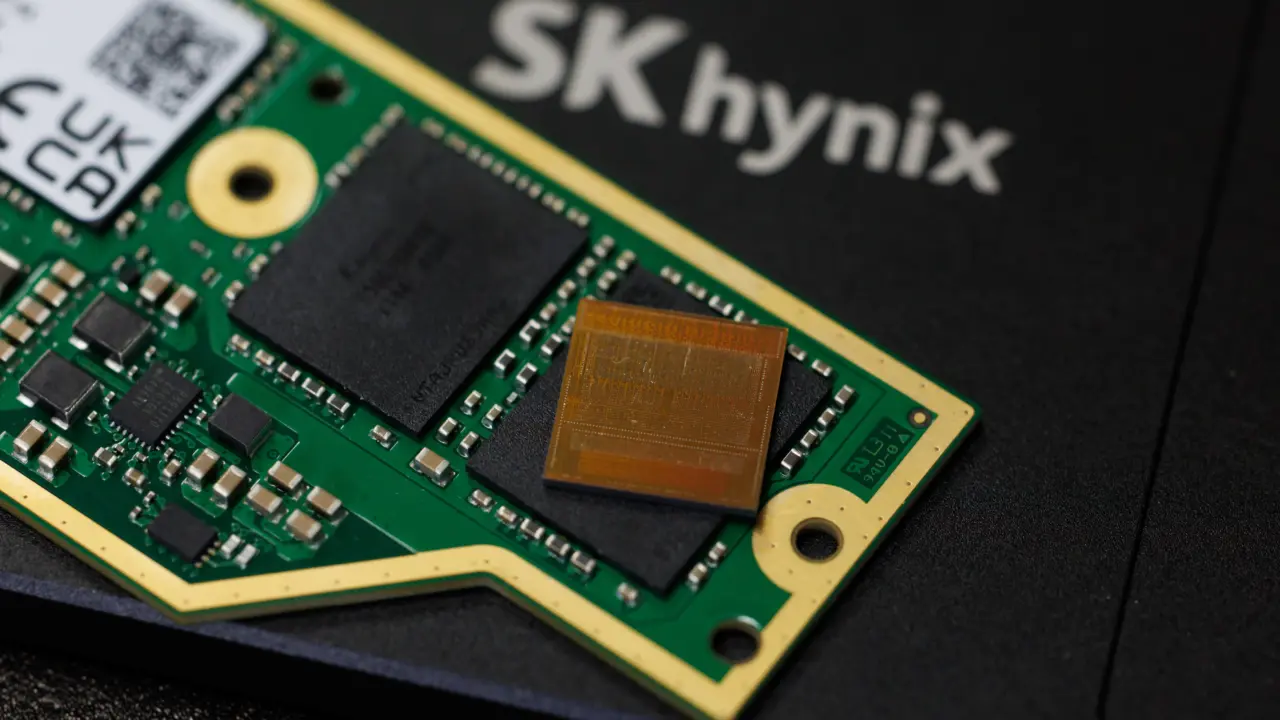
SK Hynix CEO Kwak Noh-jung predicts that 2027 will mark the peak of a severe memory shortage, with supply constraints expected to persist through at least 2030. This outlook signals prolonged pricing pressure for hardware buyers and AI infrastructure builders who rely on high-bandwidth memory. The forecast arrives as the company completes a historic $26.5 billion Nasdaq listing, the largest ever for a foreign issuer. Readers tracking component costs should expect elevated prices for AI accelerators and servers for the next several years.
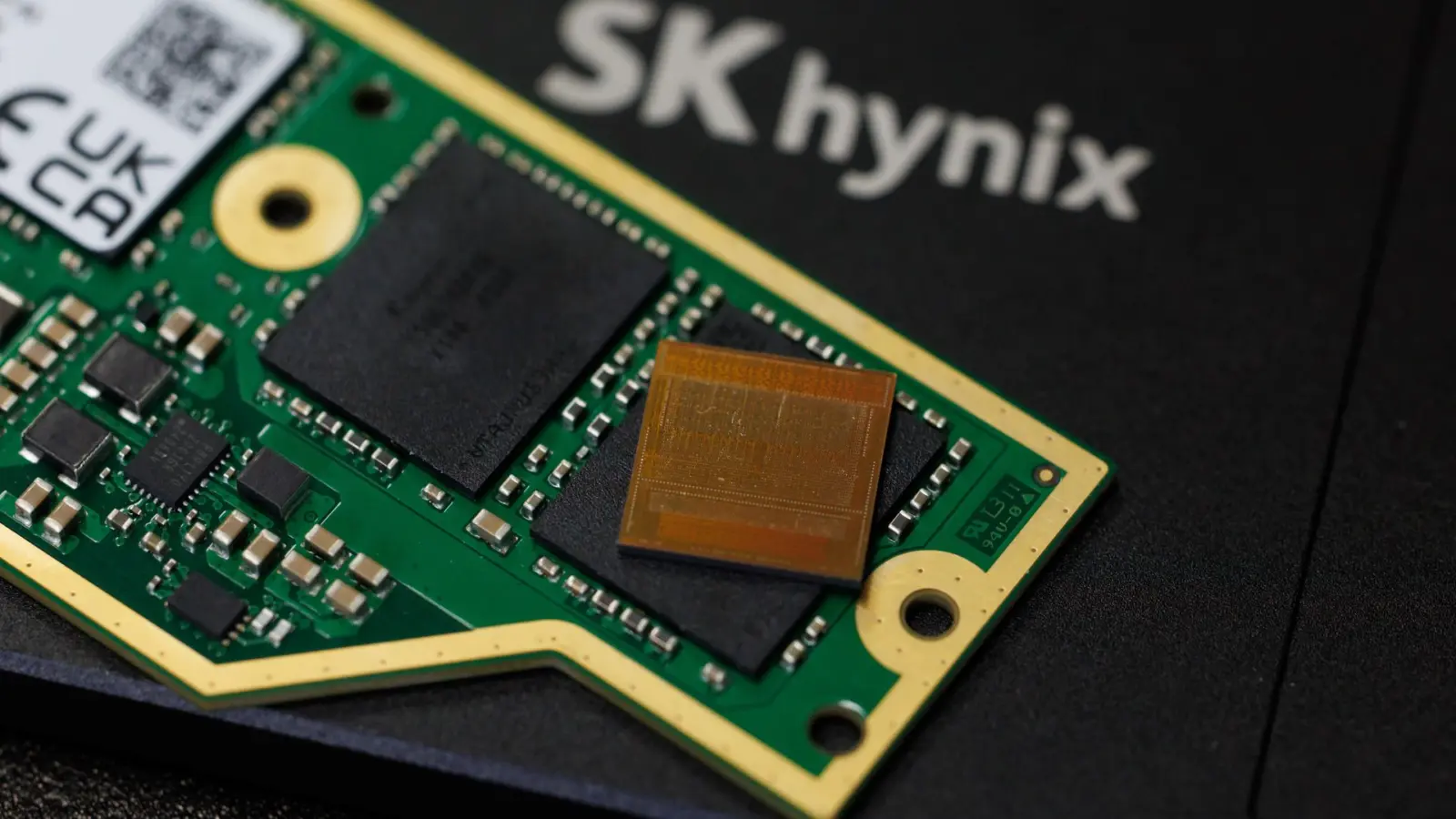
SK Hynix CEO predicts 2027 shortage peak
The shortage stems from intense demand for high-bandwidth memory (HBM) used in AI accelerators. HBM production consumes significantly more wafer capacity than consumer DDR5 modules. This capacity shift forces suppliers to reallocate resources away from standard memory lines to meet AI workload requirements. The structural imbalance between AI demand and general-purpose DRAM supply remains the core driver of the market tightness.
SK Hynix projects that customer demand will continue to outstrip supply capacity well beyond 2030. The company identifies next year as the most difficult period for the industry regarding supply availability. This long-term forecast suggests that manufacturing ramp-ups will not immediately resolve the deficit. The firm's ability to expand HBM production remains critical to alleviating the bottleneck for AI chipmakers.
Market indicators show DRAM contract prices rose 15 to 18 percent quarter-over-quarter in the third quarter of 2026. This increase reflects the ongoing supply-demand mismatch despite signs of cooling in specific segments. The price stability indicates that suppliers maintain strong leverage in negotiations with downstream buyers. Buyers in the AI and server sectors face continued cost pressures as they secure necessary memory inventory.
SK Hynix's forecast highlights the structural challenges facing the memory industry as AI adoption accelerates. The company's long-term supply constraints will likely dictate pricing and availability for core computing components. Industry participants must plan for a multi-year period of tight memory markets. The completion of the historic IPO provides capital for expansion, but meeting the 2030 demand target remains a significant challenge.
Discussion
0 comments
Log in to join the thread with a thoughtful take, question, or correction.