

Samsung has raised manufacturing costs for its advanced semiconductor nodes, a move that directly impacts the supply chain for high-end processors and graphics cards. The Korean firm increased wafer prices for its 5-nanometer and 4-nanometer process technologies by approximately 15%. This targeted adjustment reflects a broader industry shift where semiconductor pricing is now driven by supply constraints rather than just demand. Buyers of devices powered by these advanced chips should expect potential cost pressures to flow through the hardware market.
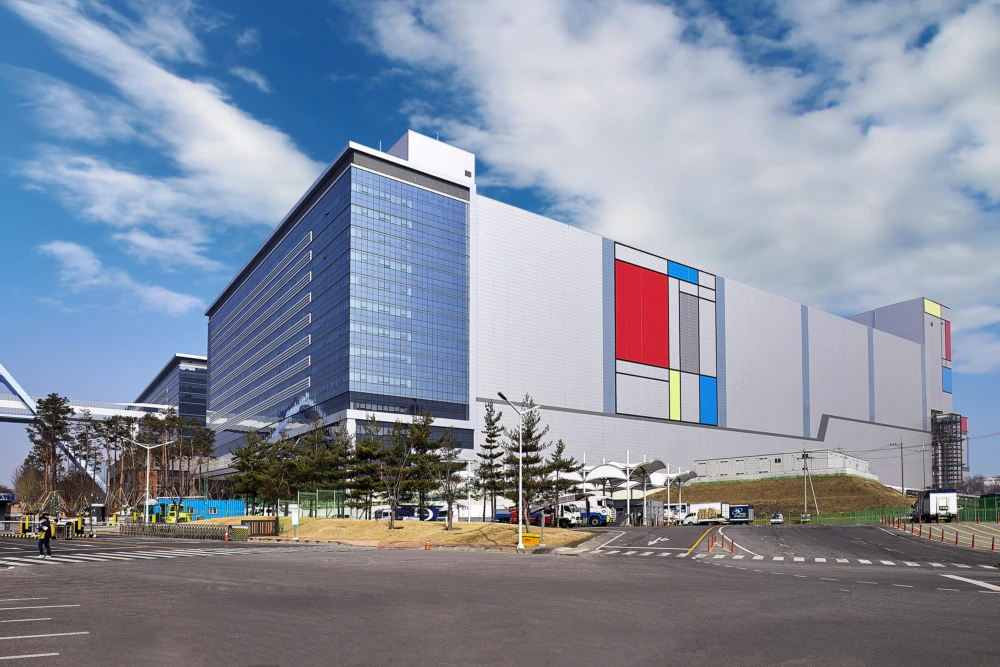
Targeted hikes on advanced nodes contrast with TSMC's broader increases
The price hike focuses specifically on Samsung's leading-edge process nodes, distinguishing its strategy from competitor TSMC. TSMC, the dominant foundry for many major chipmakers, implemented a broader increase that included its mature 7-nanometer processes. While TSMC raised prices for 7nm nodes by 5% to 10%, Samsung's increase is concentrated on its more advanced 5nm and 4nm offerings. This divergence highlights how different foundries are adjusting their pricing models based on their specific capacity and client demands.
Industry sources indicate that Samsung's price increase is roughly 15%, though the exact figure may vary slightly. The semiconductor sector has transitioned from a demand-driven pricing environment to one constrained by supply, largely due to the intense demand for AI chips. This structural change has given foundries more leverage to adjust prices without losing significant market share. The shift underscores the economic pressure on chip designers who rely on these advanced manufacturing services.
TSMC responded to the industry trends by emphasizing the long-term nature of its pricing model. The company stated that its pricing strategy is strategic and not opportunistic, aiming to maintain close relationships with customers. TSMC plans to continue selling its value to clients rather than making short-term profit grabs. This approach contrasts with the immediate cost increases seen from Samsung, offering a different perspective on foundry management during supply tightness.


Discussion
0 comments
Log in to join the thread with a thoughtful take, question, or correction.