
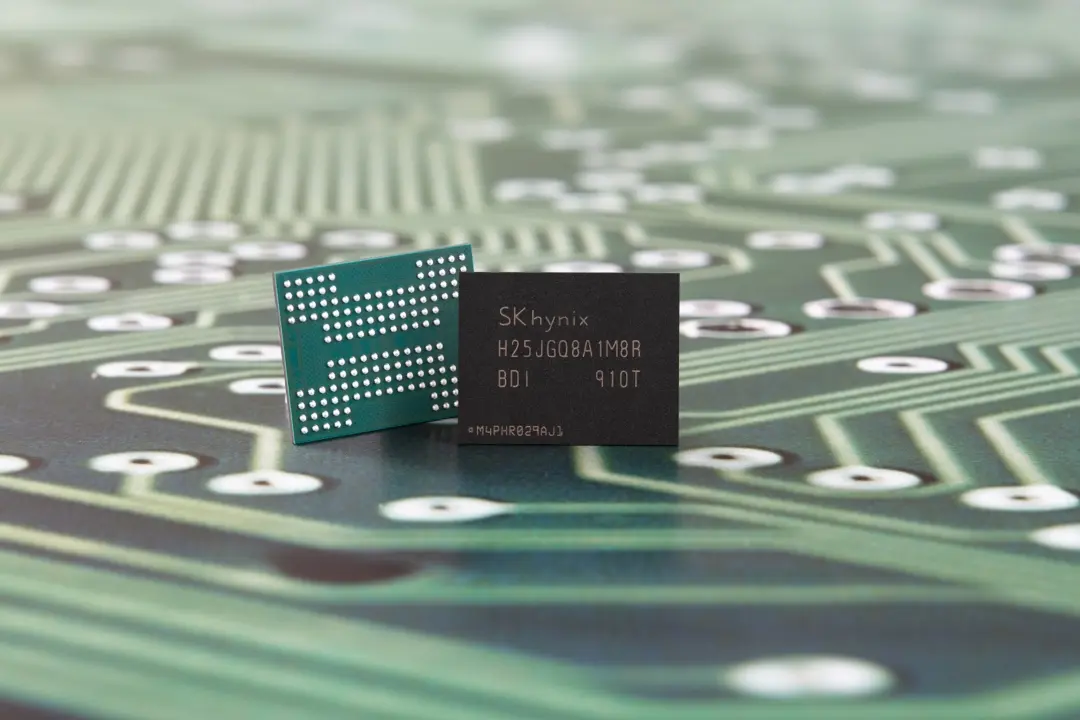
PC builders and gamers face a market where memory prices may stay elevated or spike further, as SK Hynix shifts its supply strategy to maximize revenue during shortages. The memory manufacturer has adopted a long-term agreement model without price caps, allowing it to charge whatever the spot market bears when supply tightens. This approach contrasts sharply with competitor Micron, which has locked in price ceilings for its customers through 2026. The divergence in strategy directly impacts the cost of upgrading personal computers and gaming rigs in the near term.
PC builders face higher costs as SK Hynix embraces uncapped contracts while Micron secures 2026 price ceilings
SK Hynix filed an F-1 prospectus on June 30 to raise approximately $29.4 billion through American Depositary Shares with the ticker symbol SKHY. Analysts interpret the company's pricing strategy as a move to maximize valuation ahead of this major financial event. The decision to forgo price ceilings signals that SK Hynix prioritizes capturing full upside during supply shortages over offering predictable pricing to buyers. This shift affects how major hardware manufacturers will handle the surge in demand driven by artificial intelligence infrastructure.
The industry is seeing a broader trend where contract duration is becoming more critical than strict price caps. Both SK Hynix and Samsung have extended their long-term contract durations from one year to three to five years. These extended terms provide manufacturers with greater stability and leverage during periods of high demand. The move allows these companies to secure their revenue streams while adjusting to the evolving needs of the data center and consumer markets.
Micron recently disclosed 16 strategic customer agreements that include price caps anchored to Q2 2026 market prices. This strategy offers buyers a degree of cost predictability that SK Hynix's current approach does not provide. Analysts note that top memory manufacturers are approaching 90 percent gross margins as demand remains strong. The competition between capped and uncapped contracts will likely influence how quickly prices adjust to supply changes in the coming years.
We've been tracking SK Hynix closely — see our earlier coverage on Samsung, SK Hynix, Micron Face DRAM. The company's strategic pivot away from price caps sets a distinct path compared to its peers in the memory market. Buyers will need to monitor spot market trends closely as manufacturers balance long-term contracts with immediate revenue opportunities. The impact of these pricing models will be felt most acutely by consumers looking to purchase high-capacity RAM modules.
Discussion
0 comments
Log in to join the thread with a thoughtful take, question, or correction.