
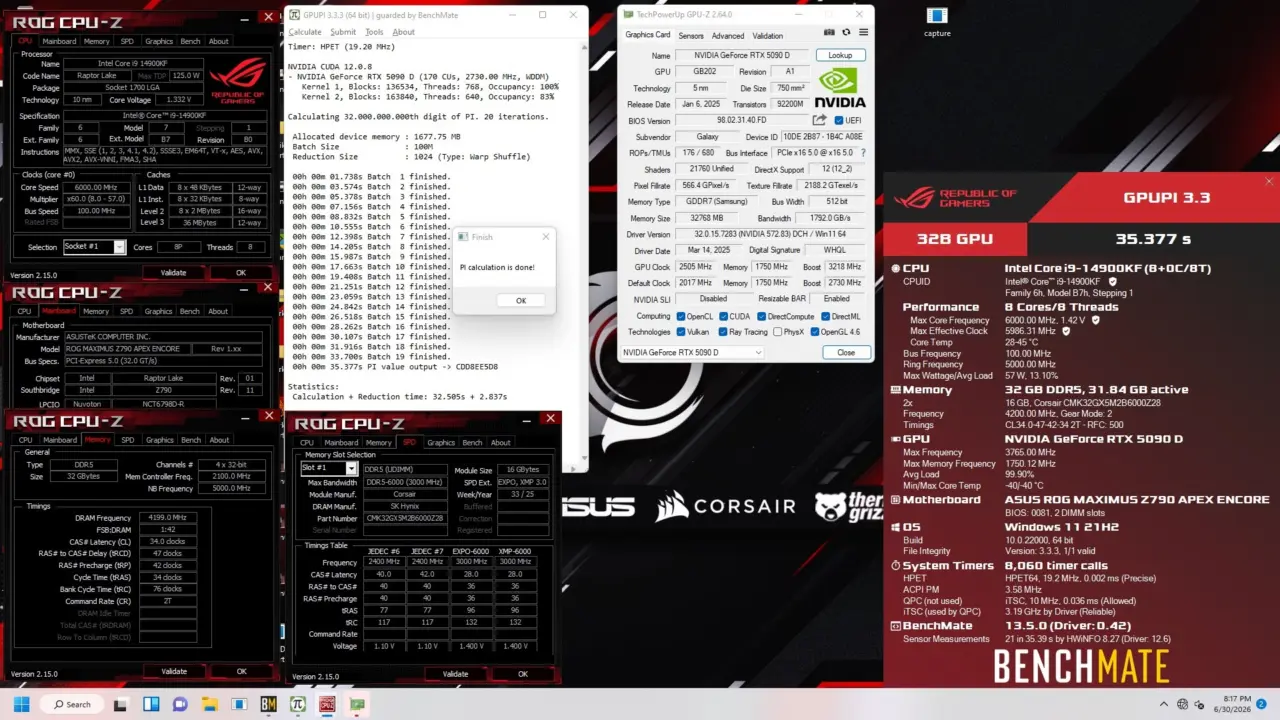
High-end graphics enthusiasts tracking the Blackwell architecture have just seen a significant frequency milestone crossed. The GeForce RTX 5090D, a China-specific variant of NVIDIA’s latest flagship, has officially broken the 4GHz barrier. This achievement matters to the enthusiast community because it demonstrates the headroom remaining in the new GPU design despite regional compliance adjustments. It shifts the baseline for what is technically possible with current silicon under extreme cooling conditions.
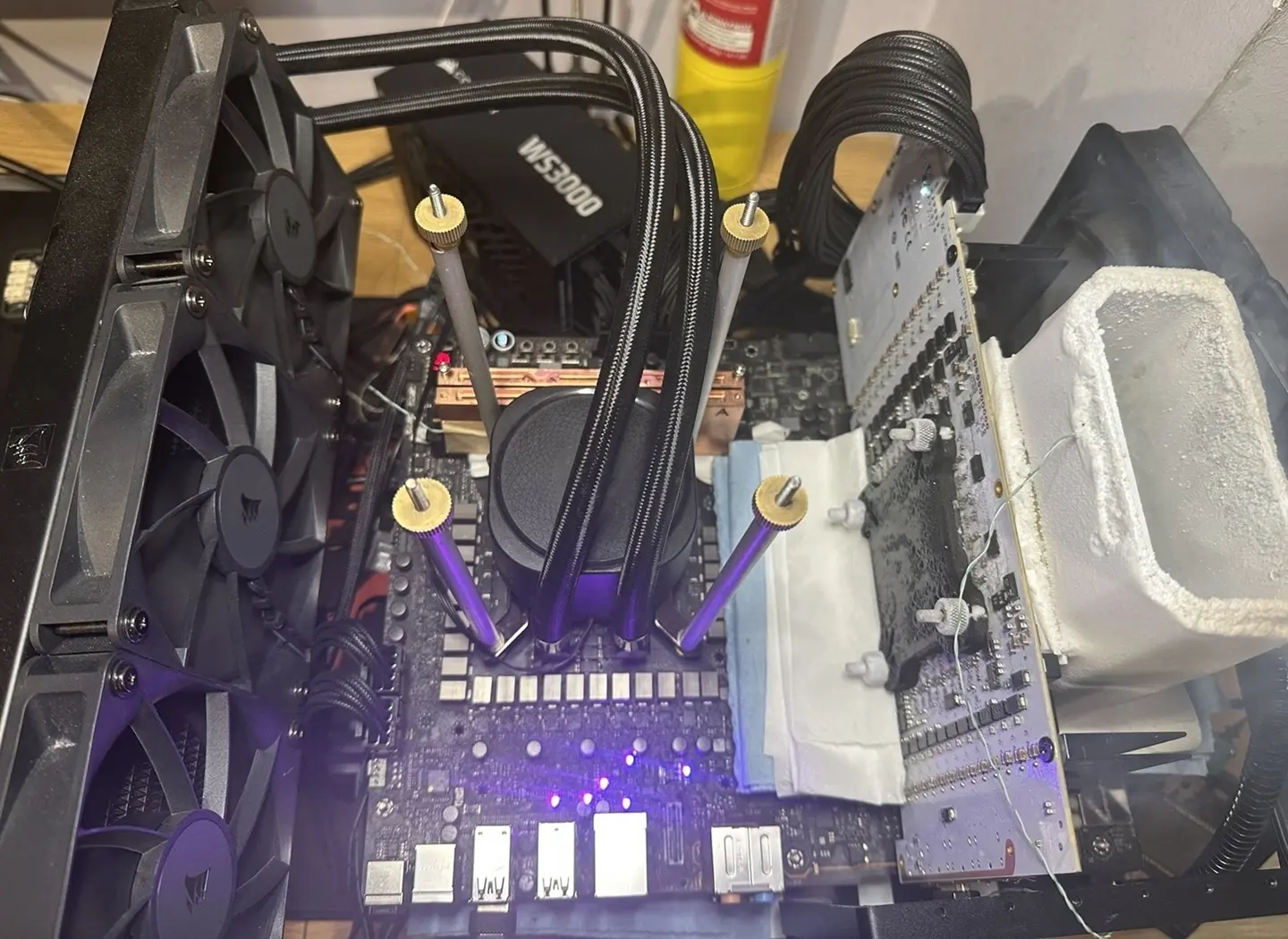
Greek overclocking group sets new frequency milestone using liquid nitrogen
The record was set by the Greek overclocking group Team OGS using a GALAX HOF OC LAB Edition card. This specific model features the GB202 GPU core and includes 21760 CUDA cores, matching the full specifications of the standard RTX 5090. The hardware relies on a robust 36-phase VRM design and dual 16-pin power connectors to support the intense power delivery required for extreme overclocking. The card serves as the primary platform for this specific frequency record attempt.
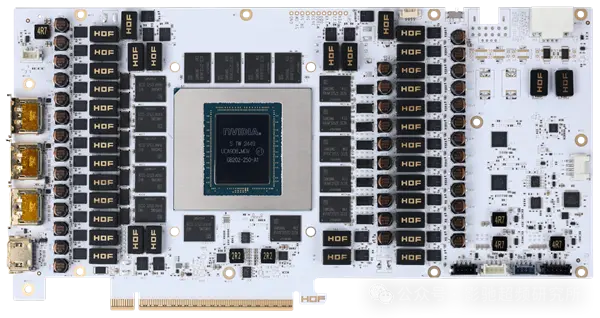
Key Specifications
- Core Frequency: 4002 MHz
- GPU Model: RTX 5090D HOF OC LAB Edition
- Cooling Method: Liquid Nitrogen
- GPU Core: GB202
- CUDA Cores: 21760
Team OGS achieved the 4002MHz core frequency by replacing the card’s stock 27MHz onboard crystal with an Elmor Labs ECB external clock board. This modification increased the reference frequency by 6.3 percent, allowing the GPU to sustain the higher clock speeds. The memory frequency also reached 1860MHz, which equates to an effective speed of approximately 30Gbps. The entire operation was conducted under liquid nitrogen cooling to maintain thermal stability at these extreme frequencies.
The overclocking effort resulted in a new world record for the GPUPI v3.3-32B benchmark, with the card completing the test in 35.377 seconds. This performance surpasses the previous Blackwell frequency record of 3.88GHz, which was held by overclocker Splave. While AMD currently holds the overall GPU frequency record at 4.769GHz with an RX 9060 XT, this event marks the first time a Blackwell architecture chip has exceeded 4GHz. The achievement highlights the specific capabilities of the HOF OC LAB variant when pushed to its absolute limits.
This milestone confirms that the RTX 5090D retains significant performance potential despite its status as a regionally adjusted product. The use of specialized external clocking hardware and extreme cooling methods remains necessary to reach these levels. Enthusiasts with access to similar high-end hardware and expertise can now target the 4GHz threshold as a new benchmark for Blackwell GPUs.
Discussion
0 comments
Log in to join the thread with a thoughtful take, question, or correction.