
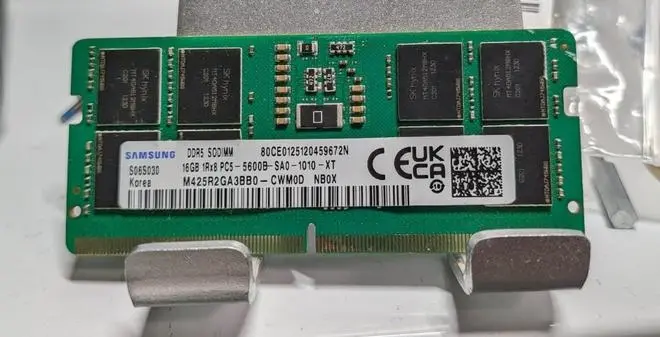
Hardware buyers are facing a severe cost shock as memory prices surge nearly 800 percent due to an AI-driven supply shortage. This dramatic inflation forces consumers to pay significantly more for basic components, fundamentally altering the cost structure of personal computing devices. The impact is immediate for anyone looking to build or upgrade a system, as the baseline price for essential memory has skyrocketed.
Small manufacturers face bankruptcy as component costs skyrocket
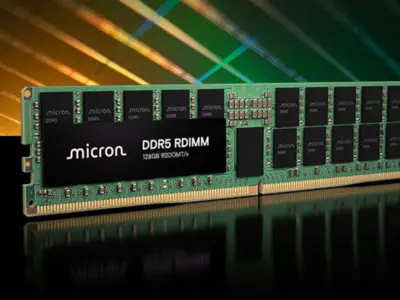
Micron, a leading memory manufacturer, has reported massive financial gains that reflect the broader market crisis. The company saw its revenue grow by more than 200 percent in the latest quarter, driven by the intense demand for storage chips. This surge in income is largely attributed to the sharp increase in the average selling price of DRAM, which has risen by over 260 percent year-over-year.
- Price Increase: 800%
- Mono Technologies Component Cost: $35 to $300
- Micron Gross Margin: 39% to ~85%
- Micron Revenue Growth: >200%
- DRAM Average Selling Price Increase: >260%
The root of this shortage lies in a strategic shift by major producers like Samsung, SK Hynix, and Micron. These manufacturers have redirected more than 40 percent of their advanced DRAM production capacity toward high-margin HBM and data center products. This reallocation has left the consumer market starved for standard memory modules, creating a supply gap that cannot be easily filled in the short term.
Small hardware manufacturers are bearing the brunt of these escalating costs. Mono Technologies, a compact PC maker, reported that the cost for a single 8GB memory module jumped from $35 to $300. This tenfold increase in component costs has pushed the company to the brink of financial viability, highlighting the extreme pressure on smaller firms that lack the purchasing power of larger tech giants.
Major consumer electronics brands are passing these costs directly to shoppers. Xbox Series S consoles have seen a price increase of $100, reflecting the broader trend of hardware inflation. Micron itself has benefited immensely from this environment, with its gross margin expanding from 39 percent to nearly 85 percent. The company is now reaping record profits as the market tightens.
Industry analysts warn that this supply crunch is not a temporary blip. The current shortage of DRAM is expected to persist at least until 2027. This extended timeline suggests that price hikes and component scarcity will remain a defining feature of the hardware market for the foreseeable future, forcing both manufacturers and buyers to adapt to a new, more expensive reality.
Discussion
0 comments
Log in to join the thread with a thoughtful take, question, or correction.