
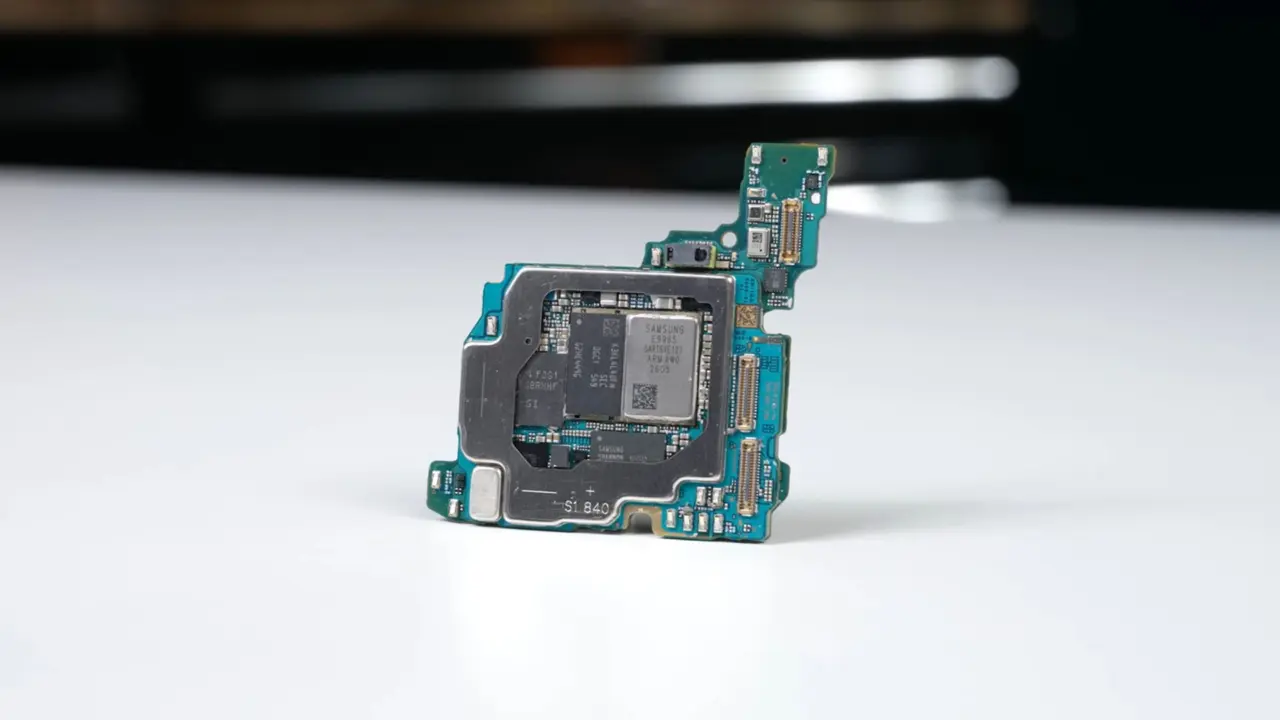
Samsung is introducing a new packaging approach for its Exynos 2600 chipset that shrinks the required RAM footprint by half. This design change matters to smartphone manufacturers because it frees up valuable internal space within devices that use advanced 2nm processors. The smaller module allows for more efficient heat management in compact phone bodies without sacrificing speed.
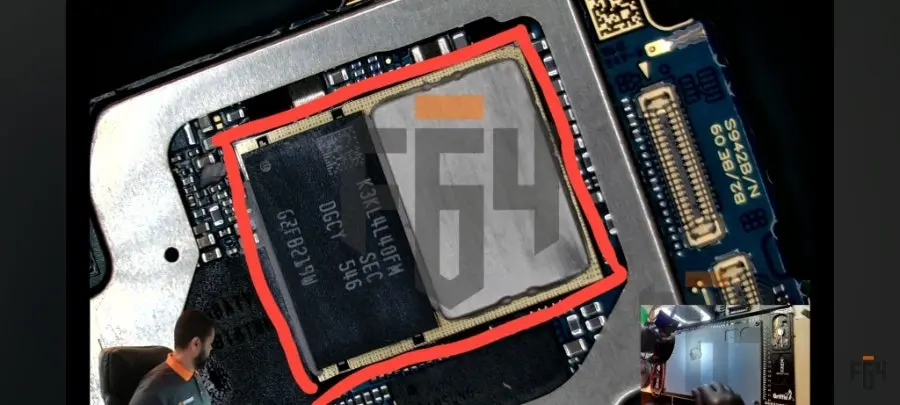
New packaging standard shrinks memory footprint to improve thermal management
The Exynos 2600 serves as the first smartphone system-on-chip built on Samsung's 2nm gate-all-around process node. It pairs with a custom LPDDR5X RAM chip that uses Heat Pass Block technology to manage thermal output. This integration helps prevent the thermal throttling that often plagues high-performance mobile processors.
Specifications
- RAM Type: LPDDR5X
- RAM Size Reduction: Half the size of standard module
- Pin Count: 15 pins
- Packaging Technology: Heat Pass Block (HPB)
- Process Node: 2nm GAA
The new RAM module features only 15 pins instead of the standard 18 pins found in traditional modules. This reduction in pin count contributes to the chip being half the size of a standard RAM module. Samsung states that this custom LPDDR5X design delivers performance without any measurable loss compared to larger alternatives.
This packaging shift addresses specific thermal limitations inherent to advanced 2nm chipsets. Apple is also moving to new packaging standards for its A20 Pro chip to handle similar heat constraints. Qualcomm and MediaTek may adopt these smaller RAM modules in their future chipsets, potentially following Samsung's lead.
We looked at the last exynos 2600 update, several of the same balance and stability themes came up. Samsung's move establishes a new baseline for how mobile RAM integrates with next-generation processors. The industry now has a concrete example of how to shrink components while maintaining thermal efficiency.


Discussion
0 comments
Log in to join the thread with a thoughtful take, question, or correction.