
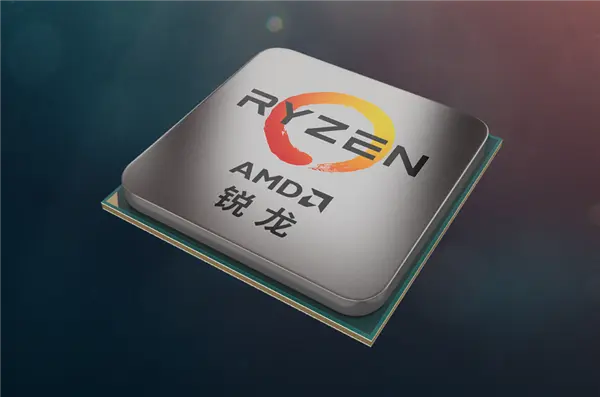
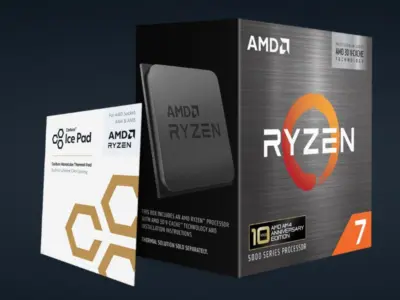
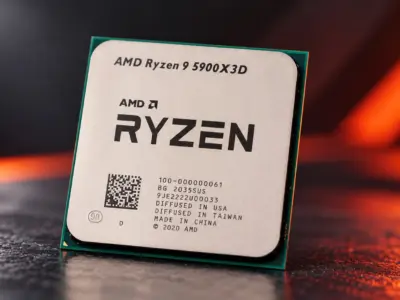
AMD recently reintroduced the Ryzen 7 5800X3D processor to mark the tenth anniversary of its AM4 platform. The move highlights how much CPU performance has improved since the platform launched in 2016 with early A-series APUs. Users can now see a direct comparison between the original hardware and modern chips that dominate current gaming systems.
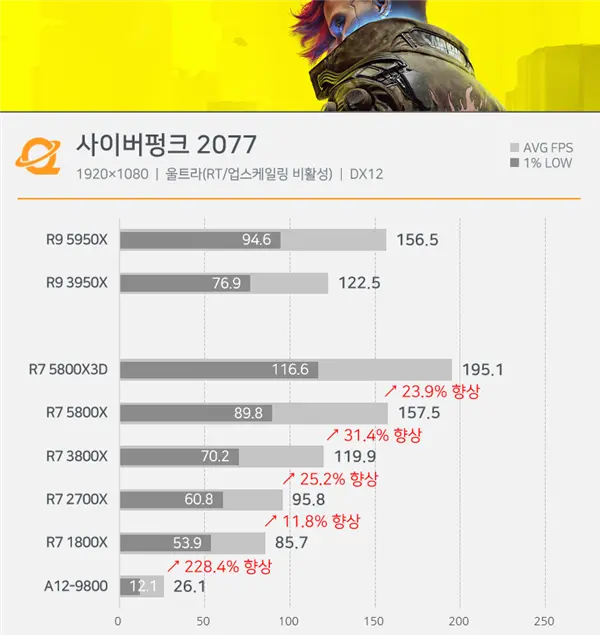
Ryzen 7 5800X3D highlights massive CPU and gaming performance leaps over the decade-long lifespan of AMDs socket.
The article focuses on two specific processors from opposite ends of the AM4 timeline. Early testing used an A12-9800 to establish baseline performance for the platform’s launch era. Modern evaluation features the Ryzen 7 5800X3D as the representative chip for later generation upgrades.
Multi-core CPU benchmark scores show a massive jump over the decade-long lifespan of the socket. The original A12-9800 scored around 1084 points in multi-threaded tests. Later Ryzen 5000 series chips push past 25000 points on the same metrics.
Gaming performance numbers reveal an even steeper gap between the old and new hardware. The Ryzen 7 5800X3D runs approximately eight times faster than the original A12-9800 in game titles. One percent low frame rates show up to a tenfold improvement in minimum speeds.
The AM4 platform started with pre-Zen architecture and has accumulated over a decade of updates. AMD continues to support the socket with newer processors despite its age. This longevity gives users extended upgrade paths without changing motherboards or RAM.
Discussion
0 comments
Log in to join the thread with a thoughtful take, question, or correction.