
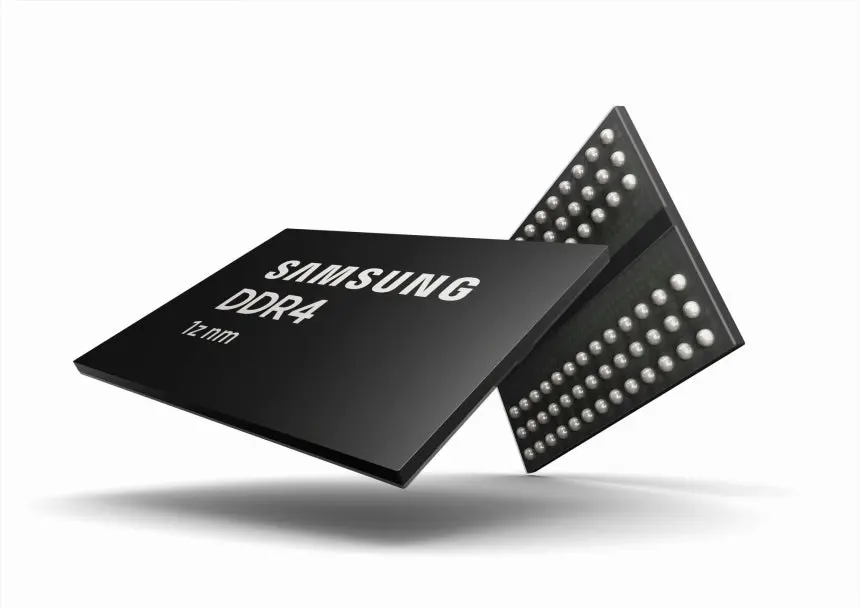
Memory component costs are rising sharply across the global hardware market. DRAM prices have increased significantly over the past year. Industry reports indicate that some DRAM prices rose tenfold within a single year. This surge is driven by high demand for AI server chips. Manufacturers are prioritizing high-margin memory for data centers over consumer products.
NAND flash prices have also climbed for sixteen consecutive months. The shortage of consumer-grade memory affects major PC vendors. Apple confirmed that it expects significantly higher memory costs starting in the June quarter. The company is evaluating options to mitigate these rising expenses. Supply constraints have already led to stockouts for some Mac models.
Industry reports indicate a tenfold price increase driven by high demand for AI server chips.
Other technology giants are facing similar pressures. Dell and Lenovo have signaled upcoming price increases for their devices. The shift in manufacturing focus toward AI infrastructure is reducing the supply of standard RAM. This trend impacts both budget and high-end computer segments. Consumers may see higher prices for new hardware in the near future.
The hardware industry is currently navigating a complex supply landscape. Memory manufacturers are balancing AI demand with consumer needs. The long-term impact on device pricing remains uncertain. Buyers should monitor market trends for potential cost changes. The shift in component availability will likely continue to shape the market.
Source: n.news.naver.com
Discussion
0 comments
Log in to join the thread with a thoughtful take, question, or correction.