

Companies that replaced workers with generative AI tools are reversing course at a surprising rate. Recent data shows up to half of these organizations are rehiring staff or expressing regret over the initial automation push. This trend signals a growing recognition that human oversight remains essential for complex business operations.
Data reveals up to half of firms rehiring staff previously cut due to generative AI integration efforts.
The shift stems from several recent surveys and industry analyses covering corporate hiring practices after AI integration. Forrester research indicates that nearly 29 percent of surveyed companies have rehired employees previously cut due to generative AI deployments. Fast Company reports similar figures, with finance, human resources, and technology sectors showing the highest reversal rates.
Key data points highlight where automation efforts struggle most. Gartner predicts that half of all companies eliminating customer service roles will rename and rehire those positions by 2027. A survey of 2,000 recruiters found that 40 percent believe artificial intelligence cannot replace deep organizational knowledge. Another 38 percent noted they underestimated the need for human quality control after initial AI rollout.
Key data points highlight where automation efforts struggle most.
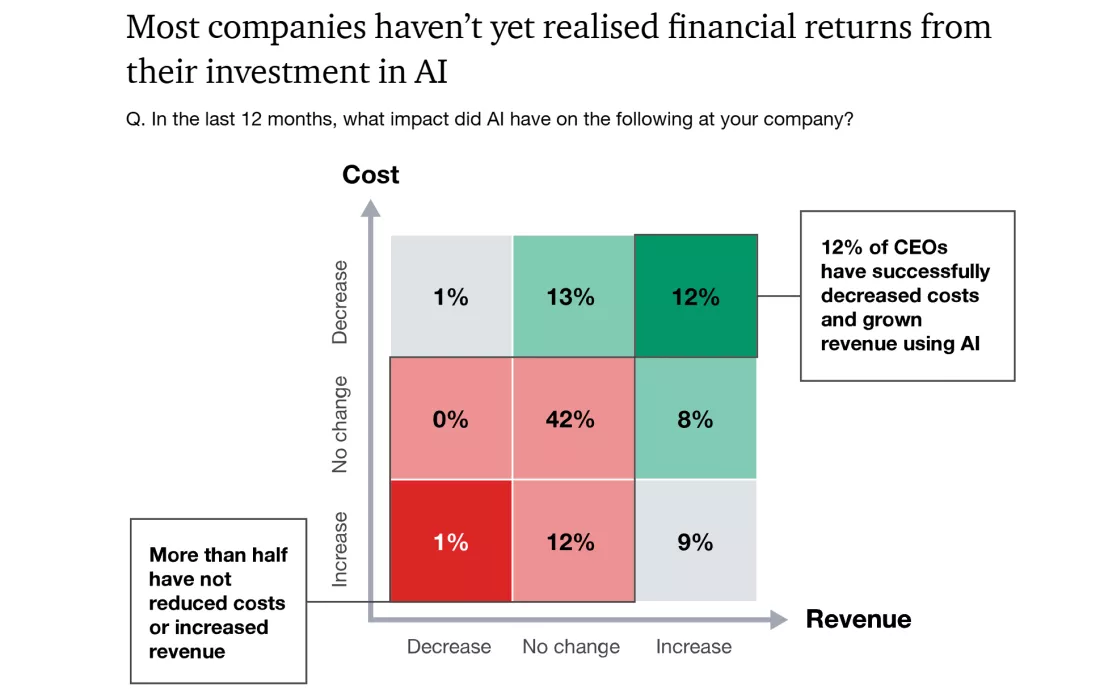
Specific corporate examples illustrate these broader trends. Uber exhausted its budget for an internal AI coding tool within four months without achieving measurable improvements. The company's chief operating officer publicly acknowledged that spending did not translate into tangible productivity gains. These cases demonstrate how upfront cost savings often fail to materialize when automation replaces experienced staff.
The reversal trend affects multiple departments simultaneously. Finance teams see a 44 percent rehiring rate after initial AI cuts. Human resources departments report a 35 percent reversal, while technology divisions show a 32 percent rate. These figures suggest that roles requiring nuanced judgment and institutional memory are hardest to automate successfully.
Early automation attempts often overlook the long-term costs of lost expertise. Companies frequently underestimate how much tacit knowledge resides within existing teams. The current data suggests that human oversight remains critical for maintaining service quality and operational continuity.
Confirmed reports show a clear pattern: organizations initially cutting staff with AI tools are now reversing those decisions. The trend spans finance, technology, and customer service sectors. Human reviewers continue to play an indispensable role in validating automated outputs and preserving institutional knowledge.



Discussion
0 comments
Log in to join the thread with a thoughtful take, question, or correction.