
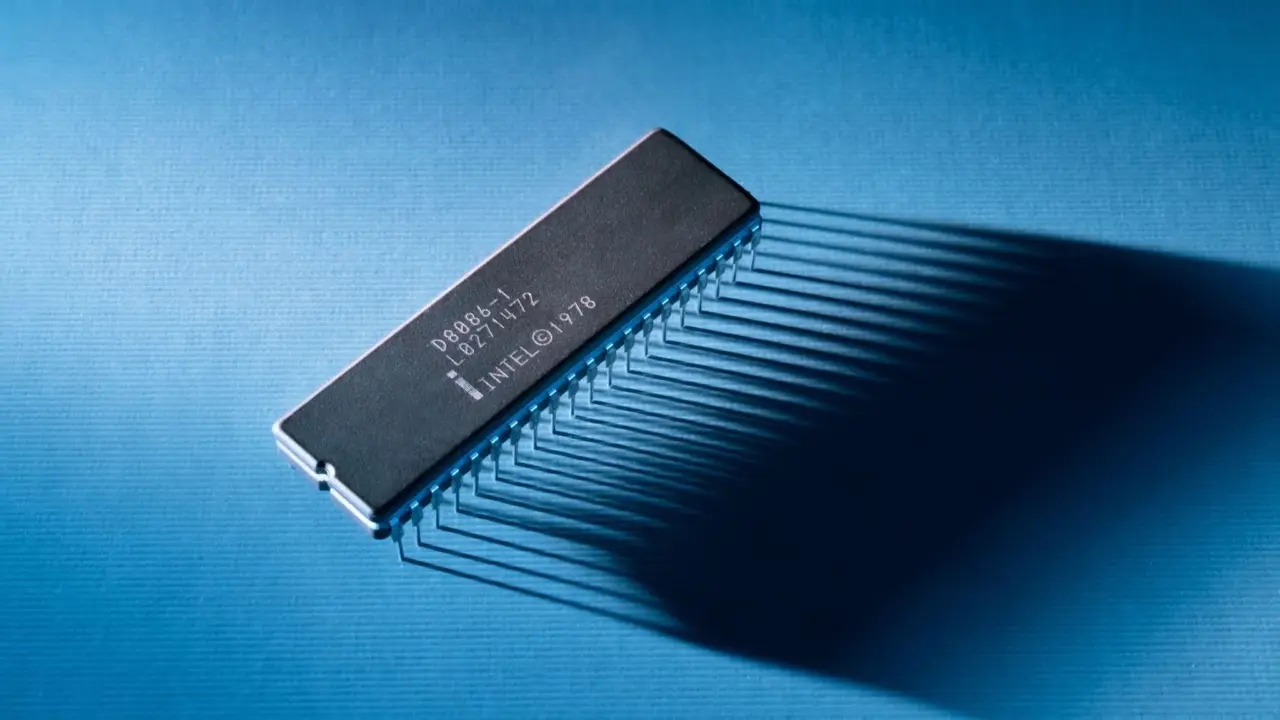
Intel introduced the 8086 microprocessor on June 8, 1978. This chip founded the x86 architecture lineage that dominates personal computers today. The design served as a temporary solution while Intel worked to resolve delays in its iAPX 432 project.
The original launch lacked specific pricing or availability data in current records.
A team of four engineers and twelve layout specialists developed the processor under the direction of Stephen P. Morse. Intel manufactured the chip using HMOS technology, which stands for High performance MOS. The resulting component featured a standard 40-pin package that defined early PC hardware form factors.
Specifications
- Transistor Count: ~20,000 (29,277 including ROM and PLA)
- Manufacturing Process: HMOS (High performance MOS)
- Pin Count: 40-pin
- Die Size: 33mm²
- Feature Size: 3.2μm
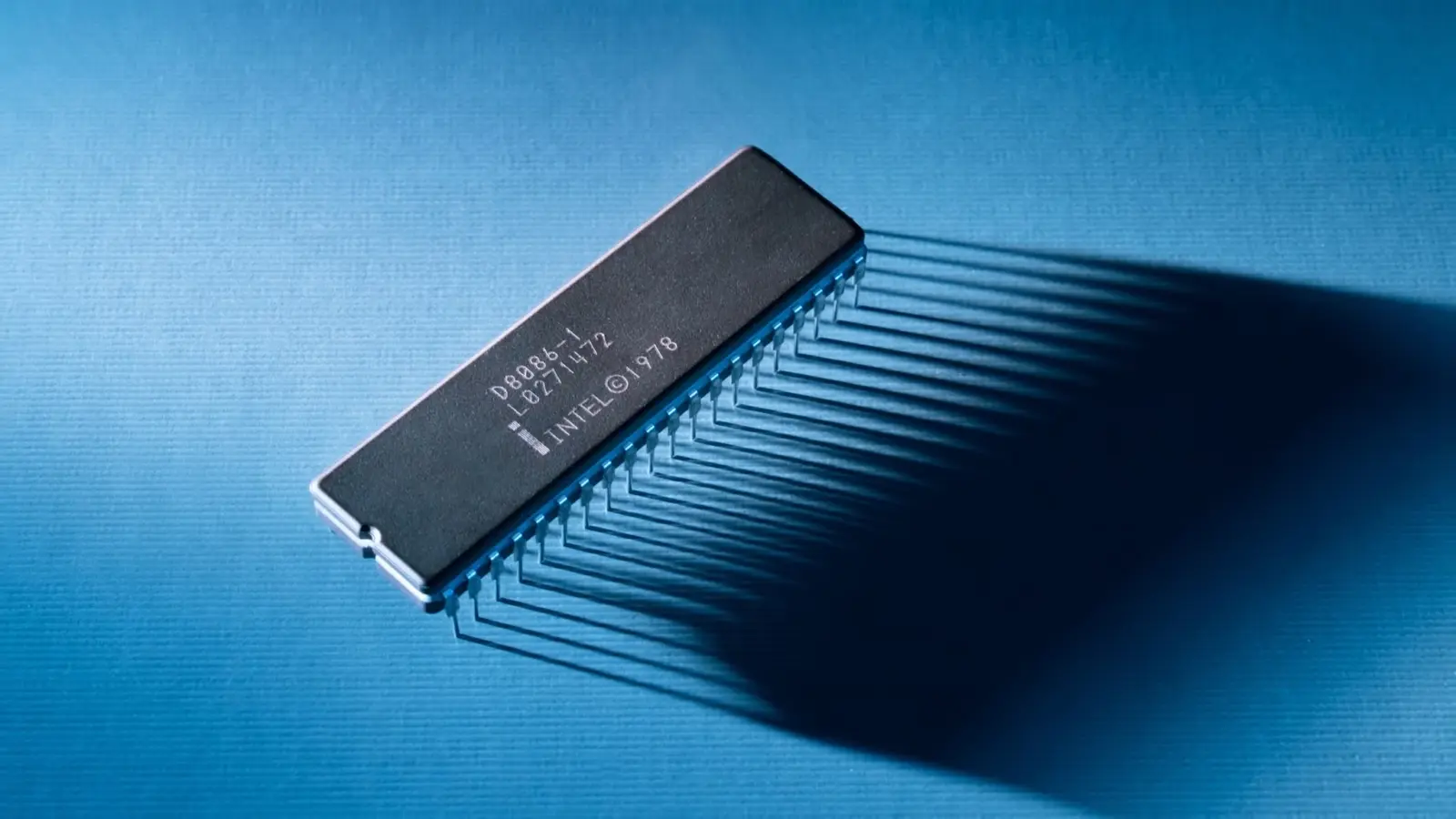
The silicon die measured 33 square millimeters and contained approximately 20,000 transistors. Engineers achieved this density with a minimum feature size of 3.2 micrometers. Intel released the processor in clock speed variants ranging from 5 to 10 MHz.
Tom's Hardware noted that the iAPX 432 project ultimately proved too expensive and complex for its intended market. The publication described the 8086 as a critical step in establishing the x86 standard. Intel later honored this milestone by releasing the Core i7-8086K anniversary chip in 2018.
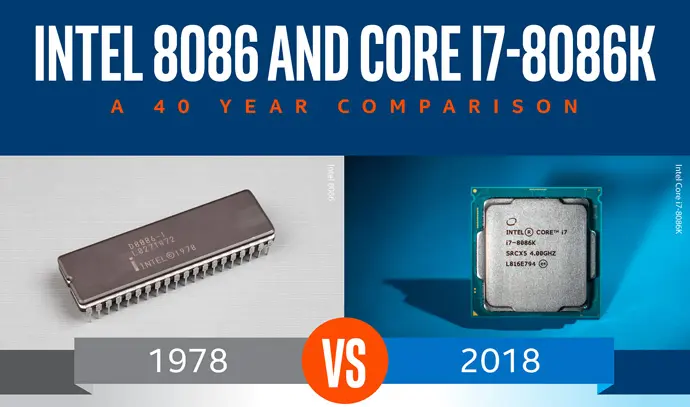
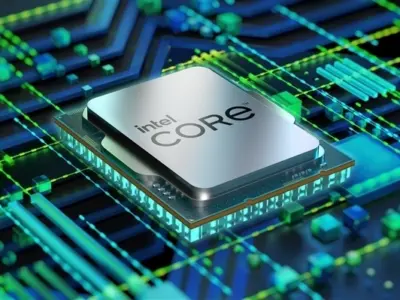
The original launch lacked specific pricing or availability data in current records. Historical analysis confirms the processor established the architectural foundation for subsequent models like the 8088, 286, and 386. This lineage directly supports modern computing workloads across desktops and servers.
Discussion
0 comments
Log in to join the thread with a thoughtful take, question, or correction.