

SK Hynix is preparing for a major financial milestone with its planned initial public offering on the NASDAQ exchange in the United States. The memory chip manufacturer has reportedly finalized its decision to list on NASDAQ rather than the New York Stock Exchange. The proposed listing on NASDAQ would place SK Hynix in a major global financial market, potentially altering how it manages its corporate finances.
South Korean chipmaker targets US stock exchange for major capital raise
The South Korean semiconductor firm aims to raise up to $14 billion through this American Depositary Receipt (ADR) listing. The IPO represents a significant step for SK Hynix, which has seen its stock price rise by 230% over the past year. A market valuation exceeding one trillion dollars in May highlights the company's strong financial standing ahead of the public offering.
Market observers expect the Securities and Exchange Commission to approve the ADR application during the week of June 22. The listing process could begin as early as August 2024, setting a timeline for when shares might start trading on NASDAQ. SK Hynix must secure SEC clearance for its American Depositary Receipt application to move forward with the planned stock offering.
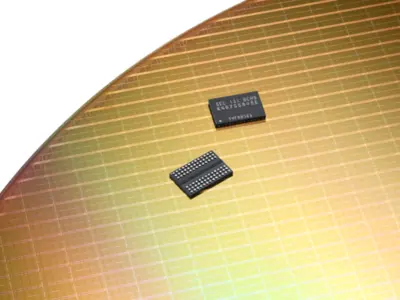
Funds raised through the offering will help improve SK Hynix's financial stability while supporting ongoing development of advanced memory products. The manufacturer rivals other major chipmakers by supplying DRAM chips and solid-state drives to the global market. This financing effort reflects a wider pattern in the chip industry where companies secure large investments to expand production capabilities and innovate new products.
The planned stock sale comes as SK Hynix experiences strong financial gains fueled by increased customer interest in specialized chips designed for AI applications. The firm continues to serve as an essential component provider for leading electronics brands across the globe. Trading on the US exchange could attract greater attention from global financial markets that monitor chip industry trends.

Discussion
0 comments
Log in to join the thread with a thoughtful take, question, or correction.