
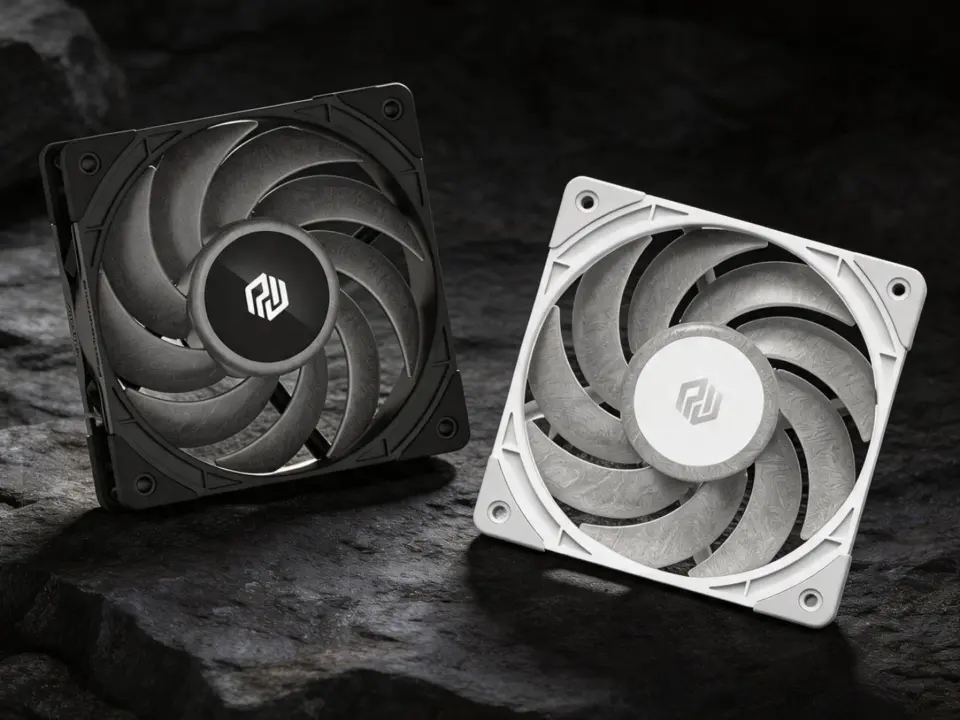
PentaWave released the PF-LF12 series fans on June 10. The new cooling components feature a self-developed ASS fluid lubrication bearing designed to improve airflow stability and reduce friction in PC chassis applications.
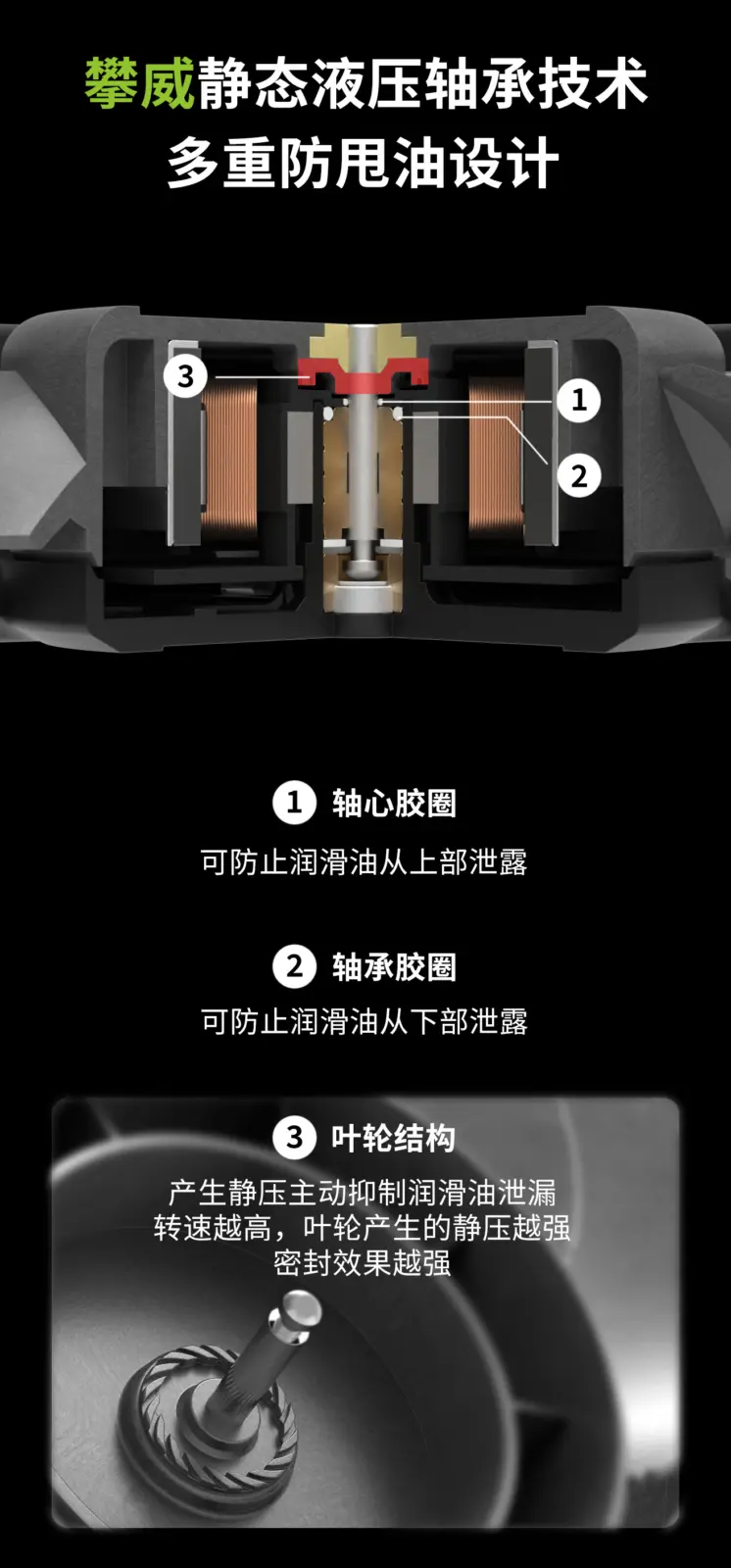
The new cooling component utilizes a self-developed fluid lubrication bearing to enhance airflow stability in PC chassis applications.
The PF-LF12 fans use a nine-blade design built with LAPEROS LCP material blades. Engineers paired these blades with a Changchun PBT frame reinforced by glass fiber for structural rigidity under high-speed operation.
- Model: PF-LF12
- Bearing Type: ASS (Air Static Pressure Assisted) fluid lubrication bearing
- Blade Design: 9-blade design with LAPEROS LCP material blades and Changchun PBT + glass fiber reinforced frame
- Speed Options: 2200RPM and 2100RPM versions available; customizable within a certain speed range
- 2200RPM Specs: Speed: 450~2200 RPM; Max Airflow: 65.6 CFM; Max Static Pressure: 3.2 mmAq; Max Noise: 23.5 dB(A)
PentaWave offers two speed variants for the series, including 2200RPM and 2100RPM versions. The higher-speed model reaches up to 2200 RPM with a maximum airflow of 65.6 CFM and static pressure of 3.2 mmAq.
The lower-speed variant operates at a maximum of 2100 RPM, delivering 62.9 CFM of air volume and 2.9 mmAq of static pressure. Both models cap noise output at 23.5 dB(A) for the faster version and 22.5 dB(A) for the slower one.
The fans support a zero-to-ten percent duty cycle stop-rotation function to eliminate airflow during idle states. PentaWave also performed three dynamic balance calibrations on each unit to minimize vibration, though long-term durability claims remain unspecified in the release data.


Discussion
0 comments
Log in to join the thread with a thoughtful take, question, or correction.