
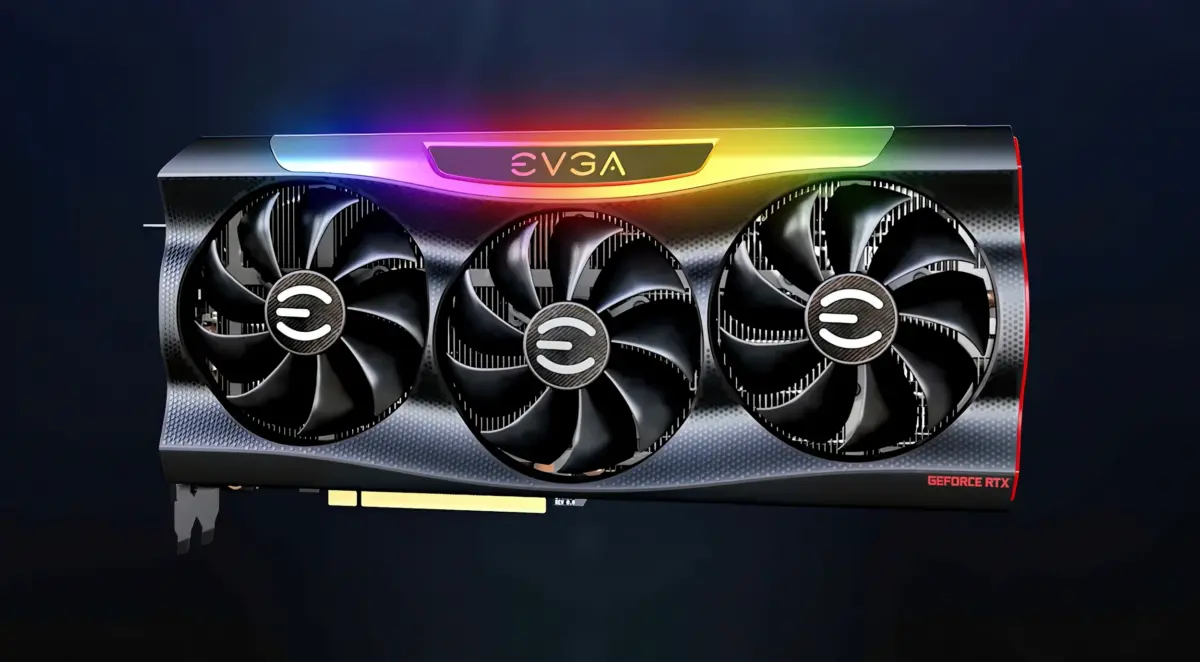
Former EVGA product manager Brendon Ray Hedrick has revealed that NVIDIA's strict pricing policies forced the company to sell some GeForce graphics cards at a loss. This disclosure explains why EVGA eventually exited the discrete GPU market in 2022. The revelation matters to hardware buyers because it highlights how component supplier relationships can dictate product availability and pricing structures in the gaming PC market.
Former manager reveals forced loss-leader strategy for GPU allocations
Hedrick, who now works at TechPowerUP, shared these details in an interview that sheds light on the internal dynamics between NVIDIA and its partners. NVIDIA required EVGA to offer at least one model at the company's advertised starting price to maintain access to GPU allocations. This rule created a structural conflict where EVGA had to prioritize volume over margin on entry-level products.
To protect its access to chips, EVGA maintained a 'loss leader' card that operated at a financial deficit. The company compensated for these losses by selling higher-margin custom models to customers willing to pay more. This strategy allowed EVGA to remain a viable partner despite the unprofitable nature of the base-tier offerings mandated by NVIDIA.
NVIDIA also competed directly with its partners by selling its own Founders Edition cards. This dual role as both supplier and retailer added pressure to the partnership model. The tension contributed to EVGA ending its graphics card business after the partnership with NVIDIA concluded in 2022.

Discussion
0 comments
Log in to join the thread with a thoughtful take, question, or correction.