
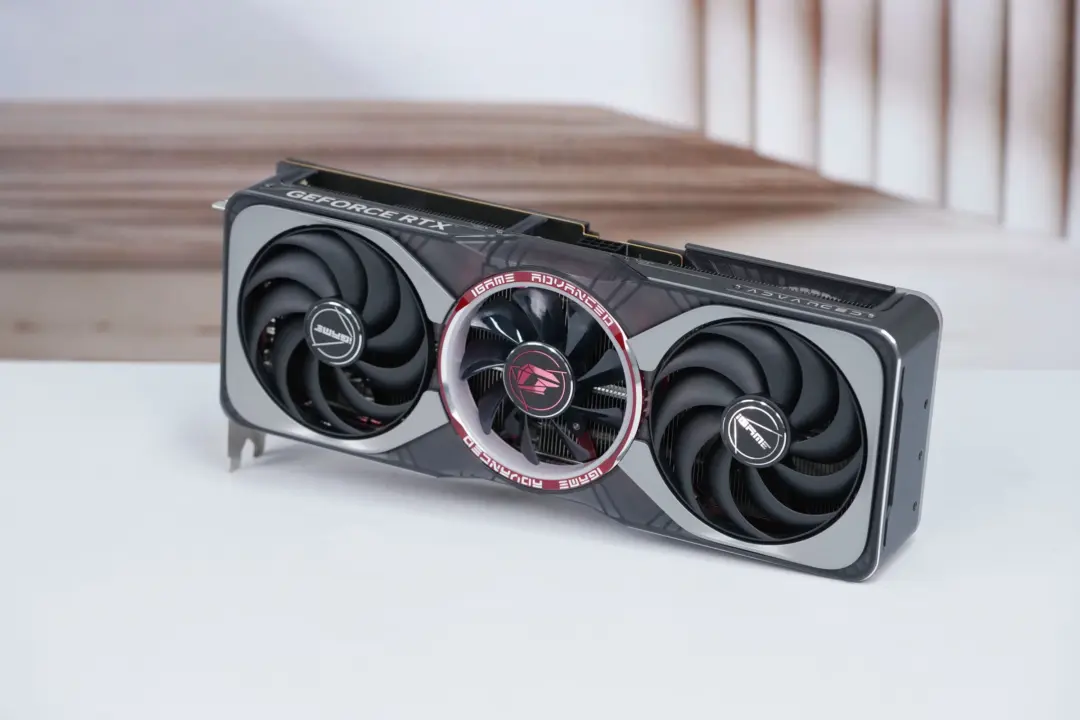
NVIDIA's decision to throttle supply of their GeForce RTX 50 series graphics cards is causing ripples that directly affect gamers and PC enthusiasts eagerly anticipating the new hardware. NVIDIA's reallocation of production capacity to high-profit artificial intelligence chips is directly limiting the supply of consumer GPUs destined for the market. This change could result in longer lead times and increased prices, especially for popular mid-range GPUs like RTX 5060 Ti. NVIDIA's strategy underscores the increasing competition the growing AI industry faces with the gaming segment for available production capacity.
AI chip demand drives GDDR7 shortages and RTX 5060 Ti price hikes
The primary driver of the supply constraints is NVIDIA's increased focus on their enterprise AI offerings over consumer products. NVIDIA's high-demand AI models include architectures like B300, GB300, and Vera Rubin. Original Design Manufacturing (ODM) partners are reporting longer delivery times for these AI server orders, signaling strong demand from data centers. This strategic reallocation of resources is why the GeForce RTX 50 series supply seems to be suddenly dwindling in various global markets.
One of the critical technical limitations in this shift is the GDDR7 memory for the RTX 50 series. GDDR7 memory manufacturers are focusing on high-end capacity for server-side DRAM, thereby limiting the production capacity available for consumer graphics cards. Limited GDDR7 memory availability directly constrains RTX 50 series GPU production. The shortage of specific GDDR7 memory is a significant contributing factor to the limited supply of new graphics cards.
In response to supply limitations, retail prices for mid-range graphics cards have surged, with some 16GB versions experiencing a price jump of up to 70-80%. This price spike is particularly impacting mid-range options such as RTX 5060 Ti, making them considerably more expensive for general consumers. This could further delay the RTX 60 series release timeline, potentially pushing it later than the previously expected late 2027, due to production constraints. The delayed production timeline for the upcoming generation highlights the significant impact of resource redirection to AI chips.
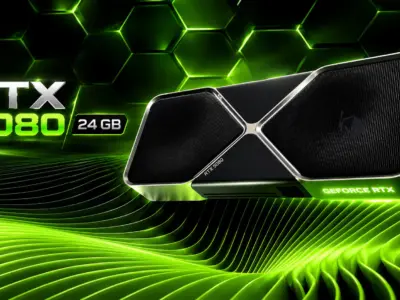
NVIDIA's earlier cancellation of the RTX 5080 24 GB option due to high costs of GDDR7 memory makes sense given the current supply issues. The earlier cancellation further emphasizes the cost challenges and product viability in the current market landscape. The current supply reduction for RTX 50 series is a direct outcome of these cost and production challenges. Consumers should anticipate further fluctuations in GPU supply and pricing as NVIDIA navigates their AI and gaming divisions.
Comments (0)