
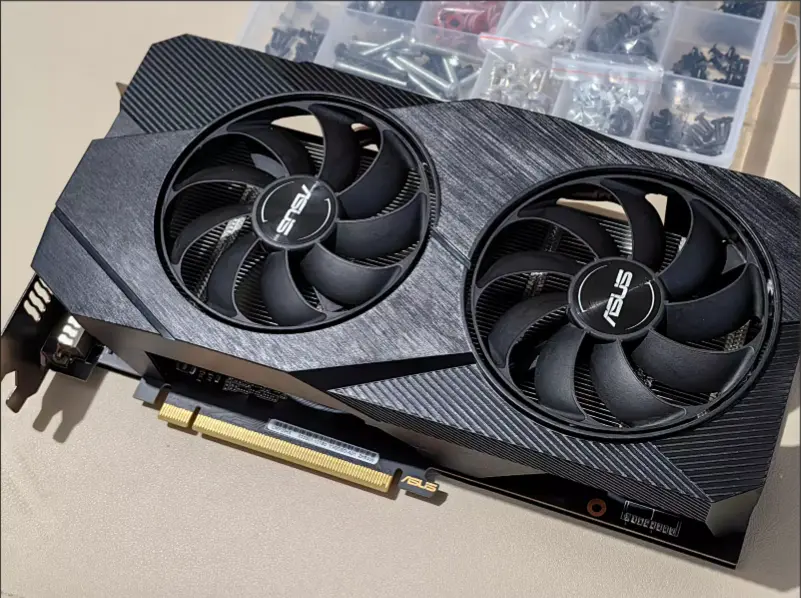
Researchers at Arizona State University have published a method to unlock the NVIDIA CMP 170HX, a GPU designed exclusively for cryptocurrency mining. This discovery matters because it transforms a restricted, low-value component into a high-performance tool for artificial intelligence workloads. Buyers and AI developers can now access data center-grade hardware at a fraction of the original cost, provided they can navigate the technical risks involved.
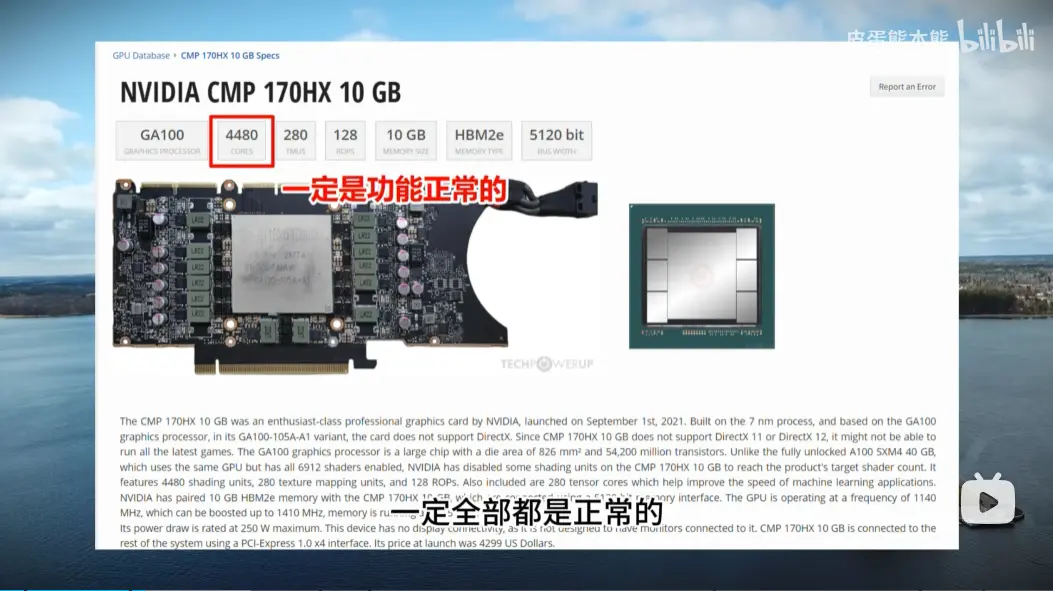
ASU exploit bypasses fuse locks on GA100 mining hardware
The CMP 170HX hardware relies on the GA100 GPU core and HBM2e memory packaging, the same silicon found in NVIDIA's flagship A100 data center accelerators. Originally, NVIDIA locked this card to prevent its use in general-purpose computing by limiting its performance and memory capacity. The new exploit bypasses these restrictions by targeting the Falcon security coprocessor, which manages the card's physical fuse locks.
Specifications
- GPU Core: GA100
- Memory Type: HBM2e
- Memory Bandwidth: 1500 GB/s
- FP32 Compute (Locked): 0.39 TFLOPS
- FP32 Compute (Unlocked): 94 TFLOPS
The researchers achieved this unlock by exploiting a stack overflow vulnerability within the Falcon security coprocessor. This technical flaw allows software to override the hardware-enforced limits that NVIDIA intended to be permanent. Once unlocked, the card's PCIe interface reverts from a restricted Gen1 x1 connection to a standard Gen2 x16 interface. This change restores full bandwidth communication with the host system, enabling the card to function as a standard accelerator.
The unlocked card delivers significant performance gains, raising FP32 compute power from a locked 0.39 TFLOPS to 94 TFLOPS. Memory capacity also expands from its locked state to a maximum of 80GB. These improvements represent a massive increase in AI compute capability, with Tensor Core load amplitude increasing by approximately 15 times. The performance boost is substantial enough to make the card competitive for inference tasks in AI applications.
Market reactions have been immediate and volatile. In China, the price of the CMP 170HX has surged from 300-500 CNY (around $73.87) to 3000-4000 CNY (around $420-$560) following the leak. Global second-hand prices have reached 1500 USD (around $1,500). This pricing spike reflects the high demand for affordable AI hardware, though the stability of these unlocked cards remains unverified by independent third-party testing.
We need to monitor long-term stability and error rates under sustained loads, as no independent data exists yet. Variability in chip defect areas and HBM granule suppliers means not all cards can reliably unlock to 80GB. The Arizona State University team has provided the blueprint, but users must weigh the performance benefits against the potential for hardware instability.


Discussion
0 comments
Log in to join the thread with a thoughtful take, question, or correction.