
Moore Threads founder Zhang Jianzhong used the 2026 World Robot Conference to highlight a major shift in how Chinese companies approach artificial intelligence computing. He argued that embodied intelligence is hitting a critical point comparable to the initial ChatGPT release. This trend matters because it signals a move away from relying on single high-end chips toward massive parallel systems. Buyers and developers in the region should expect infrastructure strategies to prioritize scale over individual card performance.
Zhang Jianzhong highlights the shift from single chips to massive parallel systems
The discussion centers on how large language models are driving changes in hardware architecture. Zhang noted that these models have surpassed the trillion-parameter threshold. This growth forces embodied intelligence systems to expand from billions to trillions of parameters. The resulting demand requires computing clusters to grow from thousands of cards to tens of thousands.
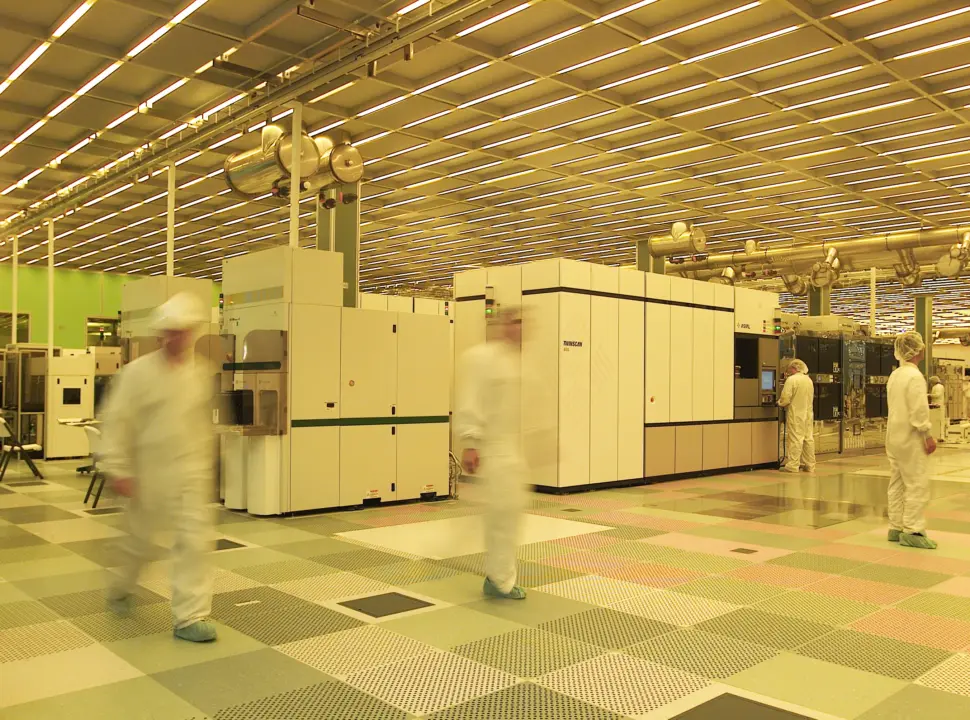
Chinese technology firms are responding to these scale requirements by building large domestic GPU clusters. Moore Threads, Huawei, and Alibaba are all developing these massive systems to bypass single-chip manufacturing limits. This approach allows them to overcome process technology gaps through sheer volume and parallel processing power.
This strategy aligns with previous comments from NVIDIA CEO Jensen Huang. He stated that China can use abundant power resources to build massive parallel clusters that compensate for single-chip process gaps. The industry is now actively implementing this method to sustain AI growth despite hardware constraints.
The confirmed facts show a clear industry pivot toward cluster-based computing in China. Moore Threads and its peers are focusing on scaling infrastructure to support trillion-parameter models. This shift defines the current trajectory for domestic AI hardware development.

Discussion
0 comments
Log in to join the thread with a thoughtful take, question, or correction.