
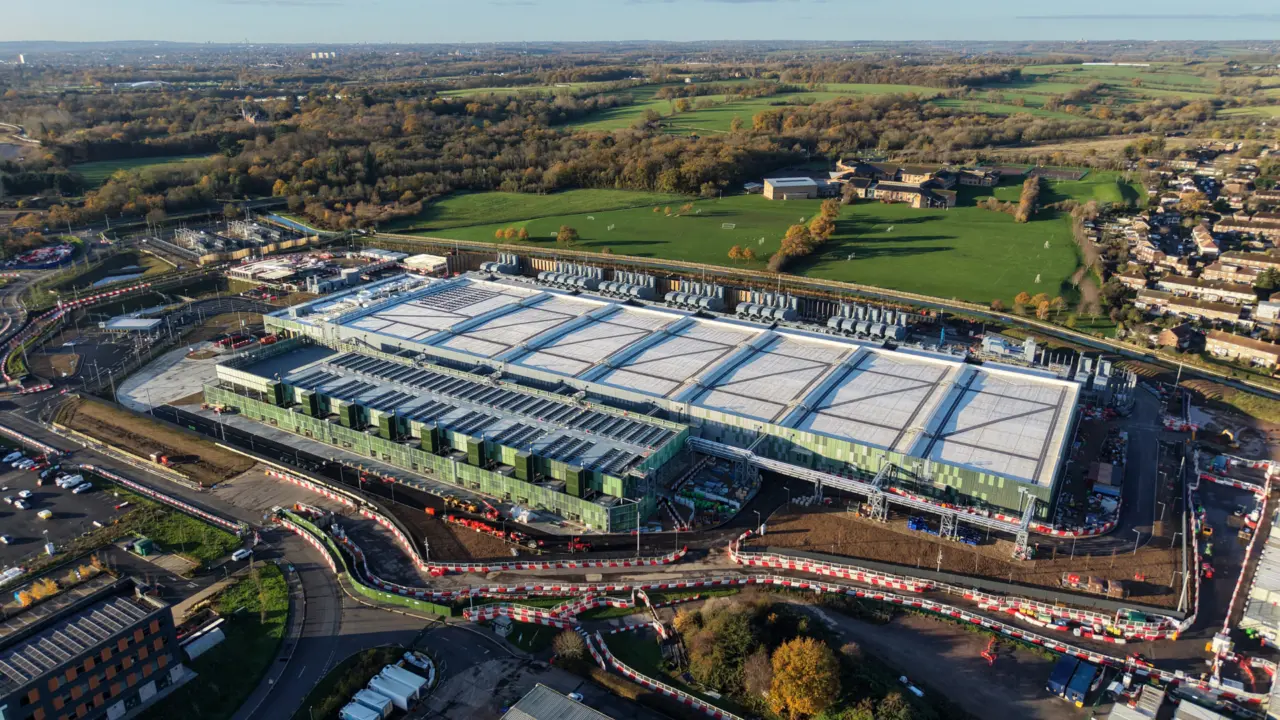
The Lombardy region in northern Italy has approved a new regulatory framework that imposes steep taxes on data center construction to curb environmental impact and redirect development toward disused industrial zones. The policy introduces a 100% tax on projects located in rural areas and a 200% tax for those proposed in agricultural or green zones. The policy seeks to manage the expansion of AI infrastructure while protecting local environmental standards.
Steep taxes redirect AI infrastructure to disused industrial areas
The regulations apply to large-scale data center operators, such as cloud service providers and AI companies seeking to expand operations in the region. Lombardy councilor Massimo Sertori stated that the region cannot block business development amid an ongoing race for artificial intelligence, noting that power demand from data centers has reached up to 30GW nationwide. Over half of this capacity is planned for Lombardy alone.
Milan currently hosts 33 active data centers, with 10 under construction and 23 more applying for approvals. The new tax structure seeks to steer these projects away from rural and agricultural landscapes toward previously developed industrial sites. The framework aims to reduce ecological impact by directing new facilities toward previously used industrial sites rather than undeveloped land.
The regulations address growing demands for digital infrastructure by prioritizing the reuse of existing industrial areas over new construction on agricultural or green zones. Democratic councilor Mattero Piloni emphasized that political vision is required rather than leaving development to market forces alone. The measures aim to fill gaps left by national industrial policies under the Meloni government.
The tiered taxation structure is designed to discourage development in rural and agricultural areas while encouraging the revitalization of disused industrial properties. The measures provide a model for balancing infrastructure development with environmental protection through targeted fiscal incentives and restrictions.


Discussion
0 comments
Log in to join the thread with a thoughtful take, question, or correction.