
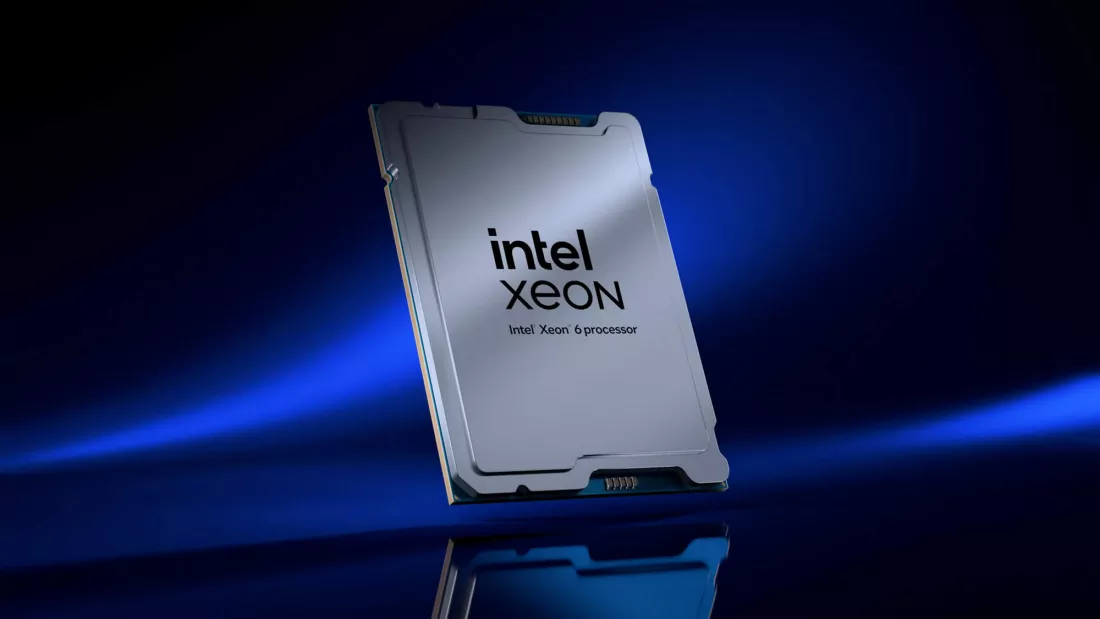
Intel is reversing its long-standing decision to remove Hyper-Threading from its processors, a shift that directly impacts how server workloads scale. The company will officially bring Simultaneous Multi-Threading (SMT) back to its data center lineup starting in 2028. This change matters because it restores a key performance lever for virtualization and parallel processing tasks that many enterprise buyers rely on. We track these architectural pivots closely because they signal where the company believes it can regain competitive ground against rivals.
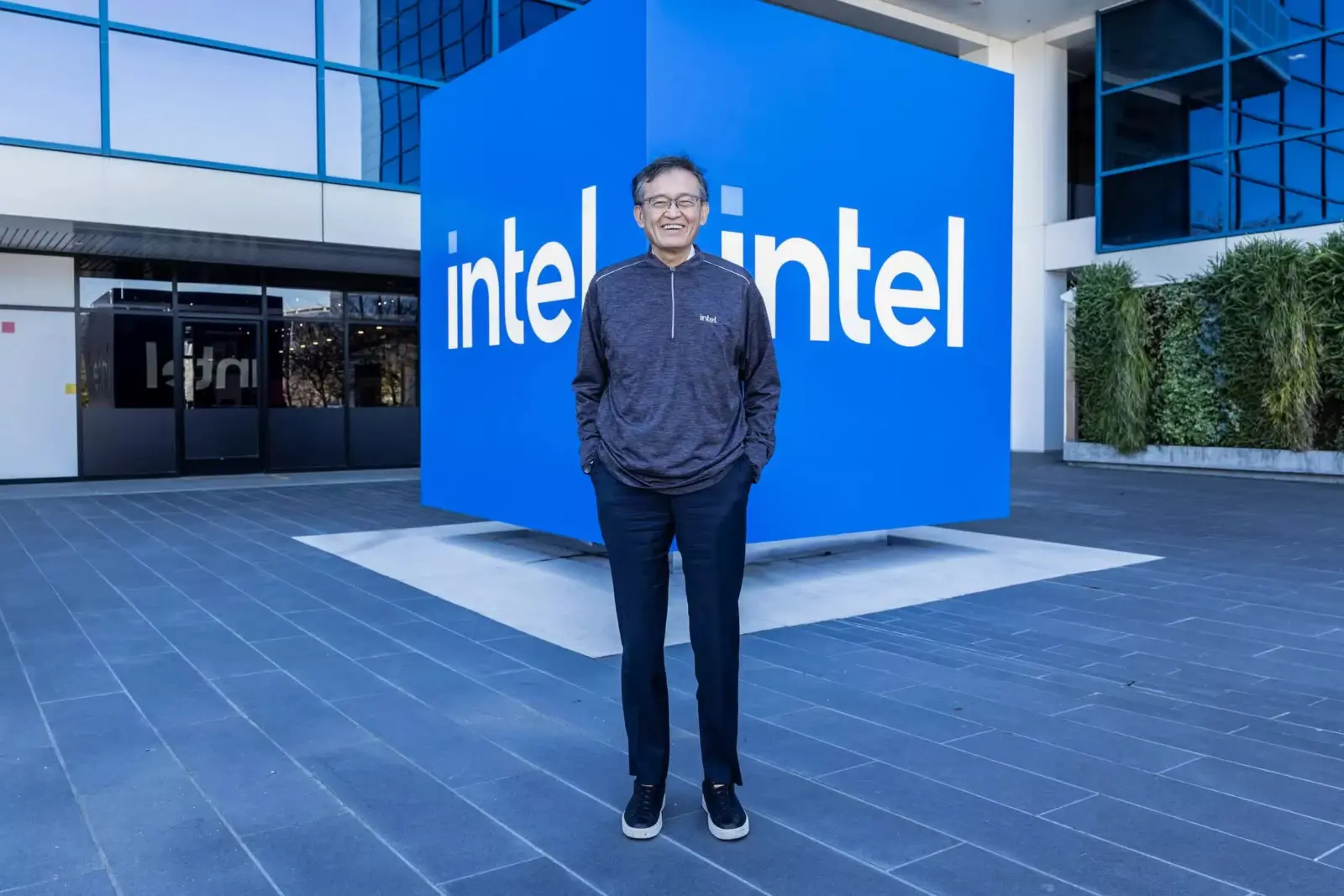
Intel reverses previous Hyper-Threading removal for 2028 server chips
The technology returns with the Xeon 8 "Coral Rapids" processor, which Intel targets for the data center market. Intel CEO Lip-Bu Tan confirmed the reversal of the previous strategy that stripped the feature from the entire product line. This marks a clear distinction between the upcoming server chips and the client-focused processors that currently lack the technology. The move aligns with Intel's broader effort to improve single-thread performance while restoring multi-threaded capabilities for heavy workloads.
- Hyper-Threading Support: Reintroduced
- Architecture: Simultaneous Multi-Threading (SMT)
- Release Year: 2028
Simultaneous Multi-Threading allows a single physical core to handle two threads of execution simultaneously. This architecture increases the number of active instructions per clock cycle, which boosts throughput for multi-core applications. Previous generations like the Xeon 6 Granite Rapids included this feature, but the Clearwater Forest generation removed it. The 2024 Arrow Lake-S client launch also marked the point where Intel fully dropped Hyper-Threading from its mainstream lineup.
Intel has not confirmed whether this architectural change will extend to client CPUs for desktop and laptop users. The current focus remains strictly on server chips where the performance benefits of SMT are most critical for enterprise workloads. We looked at the broader Xeon roadmap earlier while tracking these server CPU developments. The company is prioritizing data center efficiency over immediate consumer upgrades in this cycle.
Intel will reintroduce Hyper-Threading to the Xeon 8 "Coral Rapids" lineup scheduled for release in 2028. This confirms the end of the policy that removed the feature from recent server and client processors. Buyers of data center hardware can expect restored multi-threading capabilities in the next generation of Intel chips.
Discussion
0 comments
Log in to join the thread with a thoughtful take, question, or correction.