
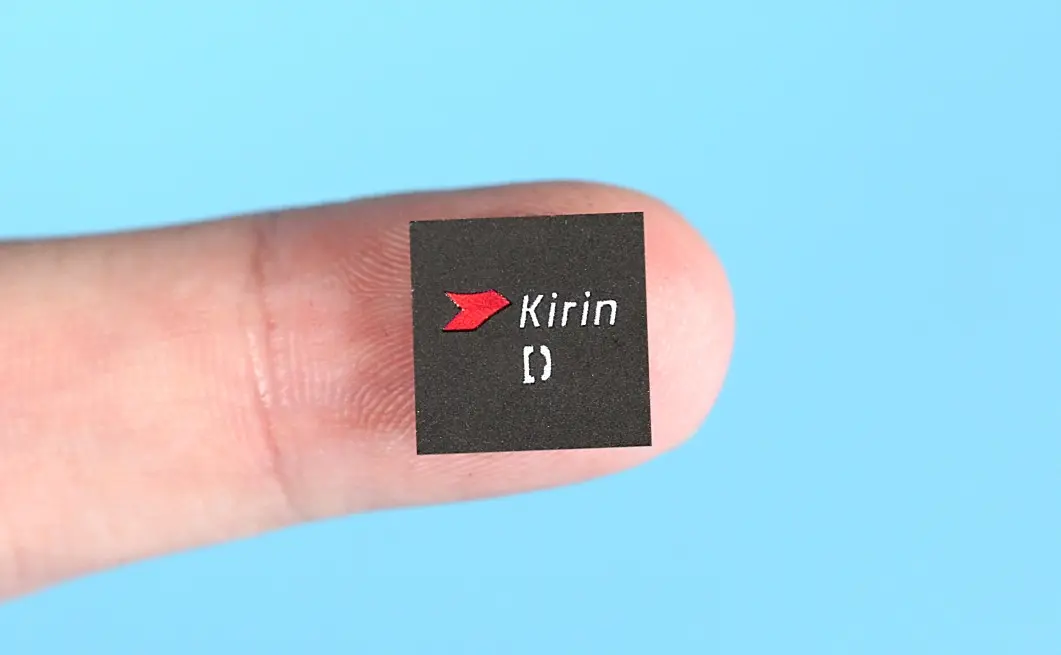
On October 22, 2024, the US Federal Communications Commission (FCC) banned two consumer products from being sold in the United States. These enforcements affect consumers who may have wanted to buy products like a dash cam or wireless video transmitter that includes certain Chinese semiconductors. The major concern driving this ban is national security, the first instance of this new rule that was put in place only 9 days ago.
First enforcement of October regulation targets devices with restricted Chinese components
The two products that were banned from the US market were a dash cam and wireless video transmitter. These products use main control chips made by HiSilicon (a Huawei subsidiary). So, the enforcements aren’t about banning these end consumer electronics, but more about the key components that power them. Namely, the products powered by chips from the US Entity List are now off-limits in the United States.
According to the FCC, the primary reason for the ban was due to HiSilicon’s own marketing material. This material claimed that their chips are used for surveillance purposes, including facial recognition algorithms. The FCC found that these features are a national security threat per the new regulation. Specifically, it prohibits any devices that use key hardware components from certain Chinese companies that are seen as security threats to the US.
This enforcement case sets the standard for future rules concerning Chinese tech. HiSilicon is considered off-limits due to their parent company (Huawei) being on the US Entity List. The FCC’s enforcement of the October 13th rule is very strict. Consumers and retailers now have to be vigilant when it comes to the origin of semiconductors used in video recording products.



Discussion
0 comments
Log in to join the thread with a thoughtful take, question, or correction.