
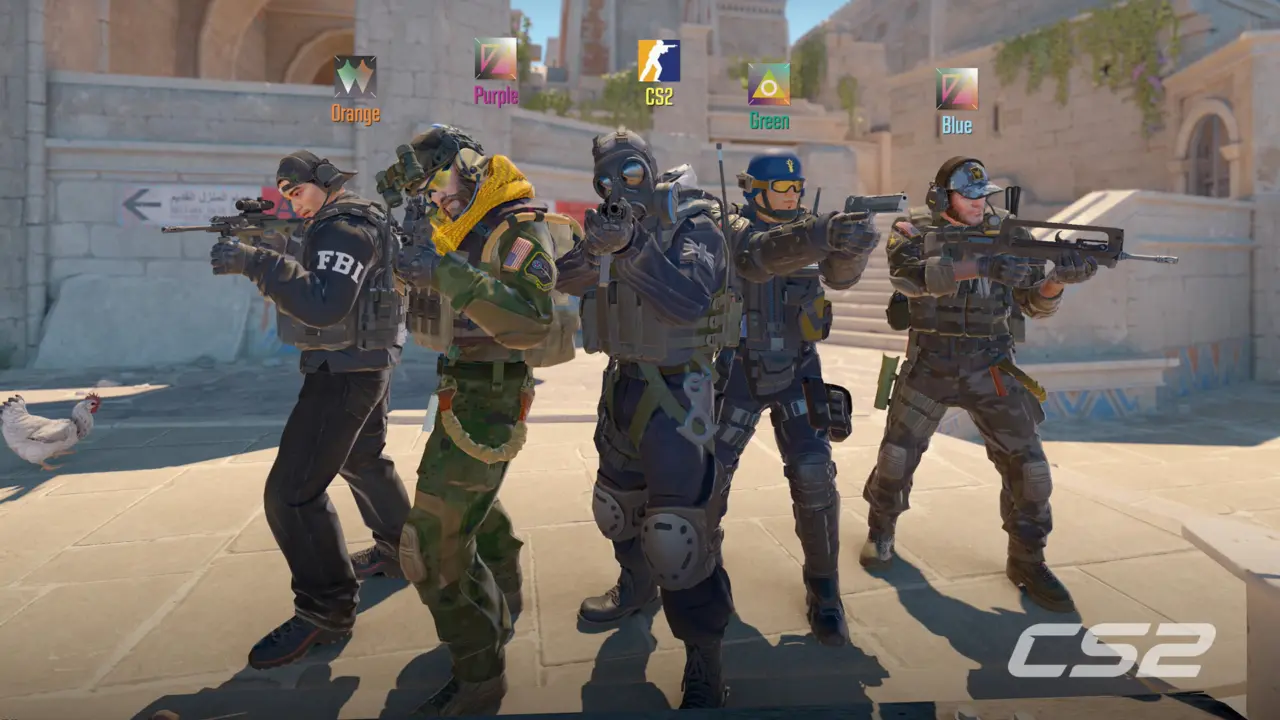
Cheaters in Counter-Strike 2 face a new threat as researchers demonstrate a method to track players across multiple accounts. This development matters because it undermines the common tactic of creating fresh profiles to evade permanent bans. A student at the Norwegian University of Science and Technology has built a system that identifies users through their unique input habits.
Researcher demonstrates input fingerprinting that tracks players across multiple accounts
The technique relies on analyzing mouse and keyboard movements to create a digital fingerprint for each player. It processes input data from over 1,000 players to correlate specific actions with individual identities. The system runs on a single Nvidia A100 GPU with a 20GB memory capacity, making the hardware requirements manageable for research purposes.
Accuracy rates for the fingerprinting method are exceptionally high in testing scenarios. Mouse input patterns alone identified players 100 percent of the time. Keyboard input patterns achieved a 98 percent accuracy rate. Combining both data sources allows the system to distinguish users with high precision.
The research highlights a low correlation of 0.11 between mouse and keyboard habits among strangers. This statistical finding confirms that input patterns are distinct enough to serve as reliable identifiers. The researcher argues that bans issued through this method should expire after a set period. This approach would prevent lifetime bans for cheating committed during childhood.
We discussed earlier Valve-related news involving a massive data leak of unreleased game builds. That coverage focused on historical archives rather than active anti-cheat mechanisms. This new research shifts the focus to real-time player identification within the current game ecosystem. The system remains a working prototype with limited test data, but it shows clear potential for future enforcement tools.


Discussion
0 comments
Log in to join the thread with a thoughtful take, question, or correction.