
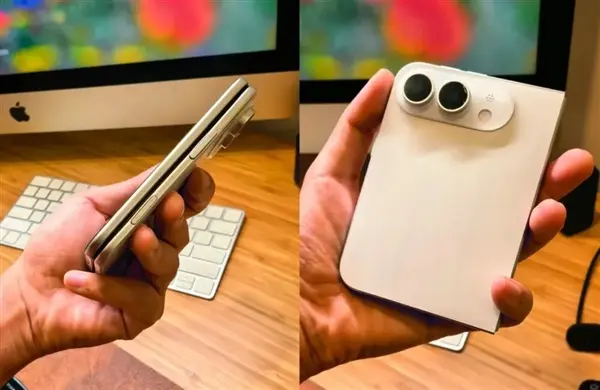
Apple is reportedly shifting its iPhone strategy to include a foldable design, a move that could redefine how users carry and interact with their primary mobile device. This transition from a rigid slab to a flexible form factor represents a significant departure from the company's established hardware norms. Users who prefer larger screens for media consumption or productivity may find this new configuration more practical than current large-model phones. The change signals that Apple is prioritizing screen real estate and adaptability in its next major hardware iteration.
Code analysis reveals hinge support and iPad-style layouts
The rumored device is an iPhone featuring an internal display with a 4:3 aspect ratio, which differs from the taller formats currently standard in smartphones. According to leak reports, the screen measures 5.5 inches when folded and expands to 7.8 inches when opened. This specific ratio suggests Apple is aiming for a layout that mimics the proportions of an iPad, potentially allowing for more efficient multitasking or media viewing. The internal screen configuration appears to be a central element of the design philosophy behind this new form factor.
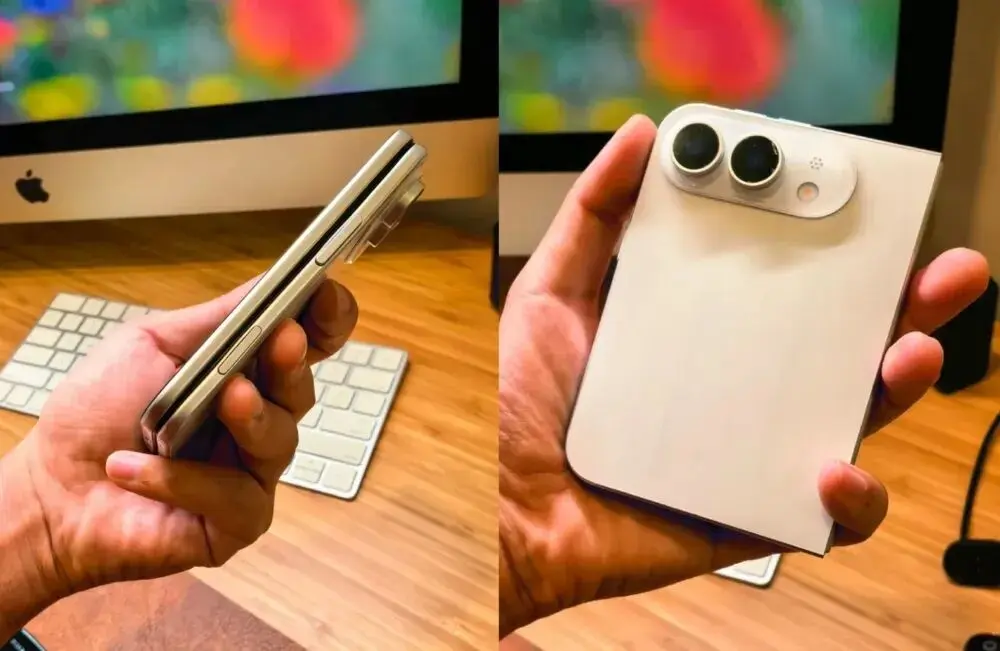
Software evidence supports the hardware speculation, with code in iOS 27 containing explicit references to foldable states, hinge angles, and multi-screen parameters. These technical strings indicate that the operating system is being prepared to handle the unique inputs and display changes of a folding device. Additionally, macOS 27 updates to iPhone Mirroring allow the display ratio to widen, matching the iPad layout more closely. This software alignment suggests that Apple is building an ecosystem where the foldable iPhone integrates seamlessly with Mac and iPad interfaces.
Further software adjustments in macOS 27 enhance the Sidecar feature to support full touch interaction, including pull-to-refresh gestures on connected displays. This update points toward a broader strategy of integrating touch capabilities across Apple's device lineup, potentially preparing for future hardware that requires direct touch input. The combination of touch-ready Sidecar and adaptive mirroring suggests a unified approach to cross-device interaction. These software changes are critical for ensuring that the foldable iPhone can function effectively within the existing Apple ecosystem.
The new Apple CEO is reportedly driving these significant changes to the product line, with a focus on cross-device touch integration and innovative form factors. This leadership shift appears to be accelerating the development of technologies that were previously in earlier stages of exploration. Industry observers speculate that the foldable iPhone could debut at the upcoming autumn event or in the spring of next year. While the timeline remains uncertain, the software groundwork laid in iOS 27 and macOS 27 indicates that the hardware is likely in advanced development stages.
Confirmed details remain limited to software code analysis and leak reports regarding screen dimensions and aspect ratios. The hardware itself has not been officially announced or verified by Apple. Users should treat the specific screen sizes and release dates as unconfirmed rumors rather than guaranteed facts. The focus on touch integration and adaptive layouts in the latest software updates provides the strongest evidence of Apple's current direction.


Discussion
0 comments
Log in to join the thread with a thoughtful take, question, or correction.