
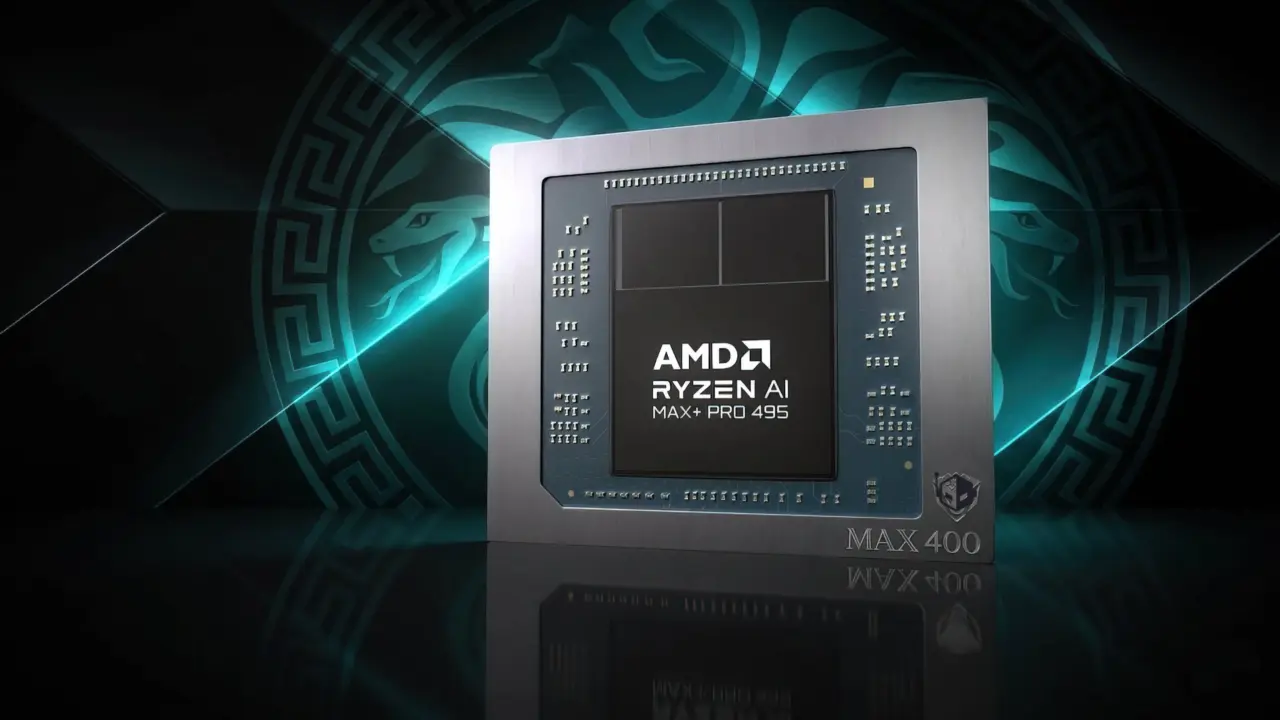
AMD is shifting its hardware strategy to prioritize unified memory architectures for future products. The company believes this approach will define upcoming roadmaps and product selections across multiple segments. This pivot responds directly to growing demand for local artificial intelligence workloads.
AMD executive David McAfee highlights unified memory as a foundational pillar for next-generation computing systems.
The Ryzen AI MAX 400 series represents AMD’s immediate application of this architectural philosophy. Developers are currently engineering the platform to support up to 192 GB of total system memory. The design allocates as much as 160 GB exclusively to GPU tasks.
Unified memory architectures allow the CPU and GPU to access a single pool of high-speed data. Such a design removes performance limits created by isolated memory systems. AMD executive David McAfee identifies this architecture as a foundational pillar for next-generation computing systems.
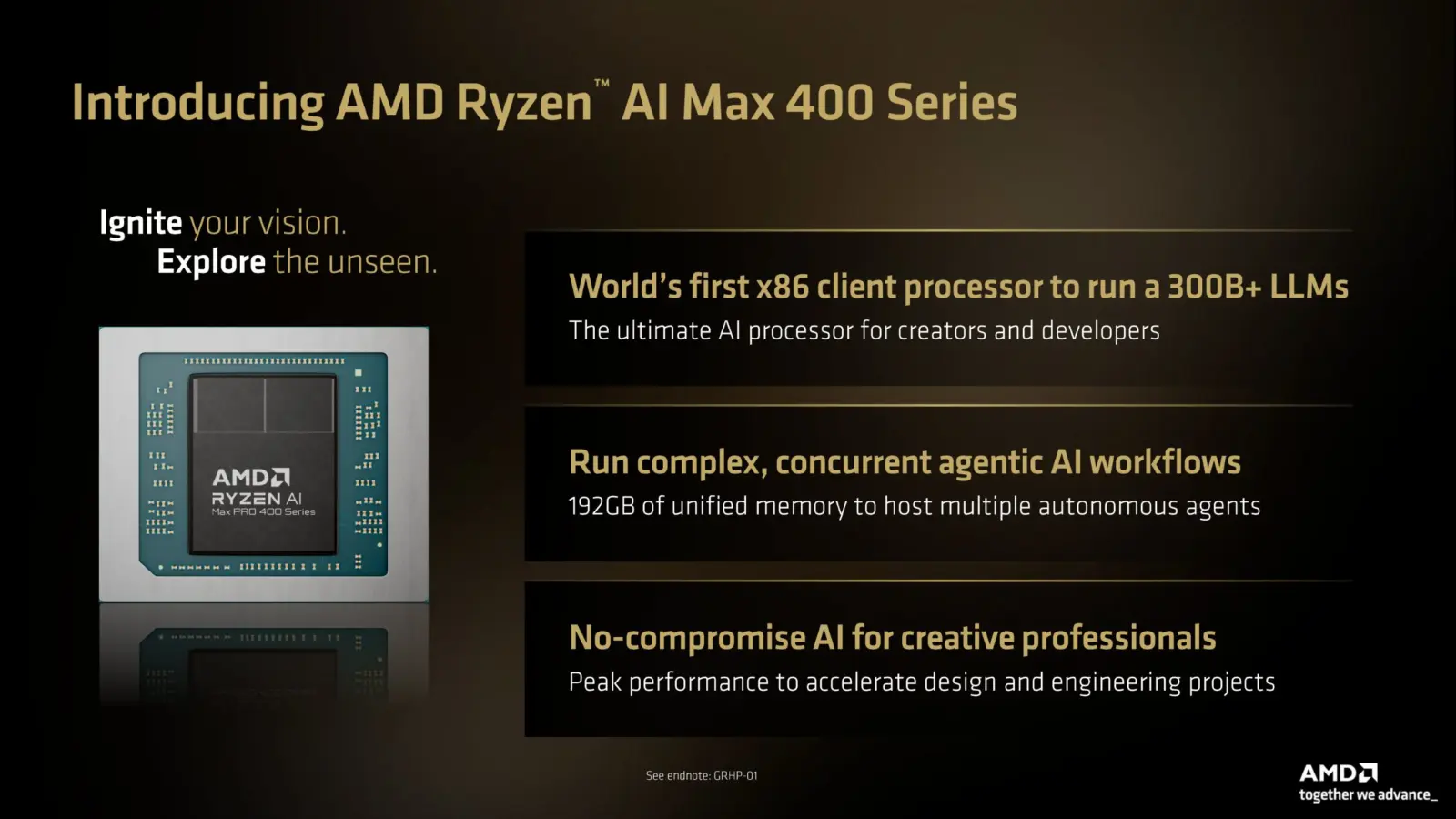
The company positions unified memory as essential for running large language models locally on consumer hardware. The roadmap targets workloads involving 300 billion parameter AI models. AMD views agentic artificial intelligence applications as the primary driver for this hardware shift.
AMD explicitly endorses NVIDIA’s RTX Spark platform as a valid advancement of the same unified memory concept. This recognition underscores a growing consensus on unified memory approaches to support advanced computing needs.


Discussion
0 comments
Log in to join the thread with a thoughtful take, question, or correction.