
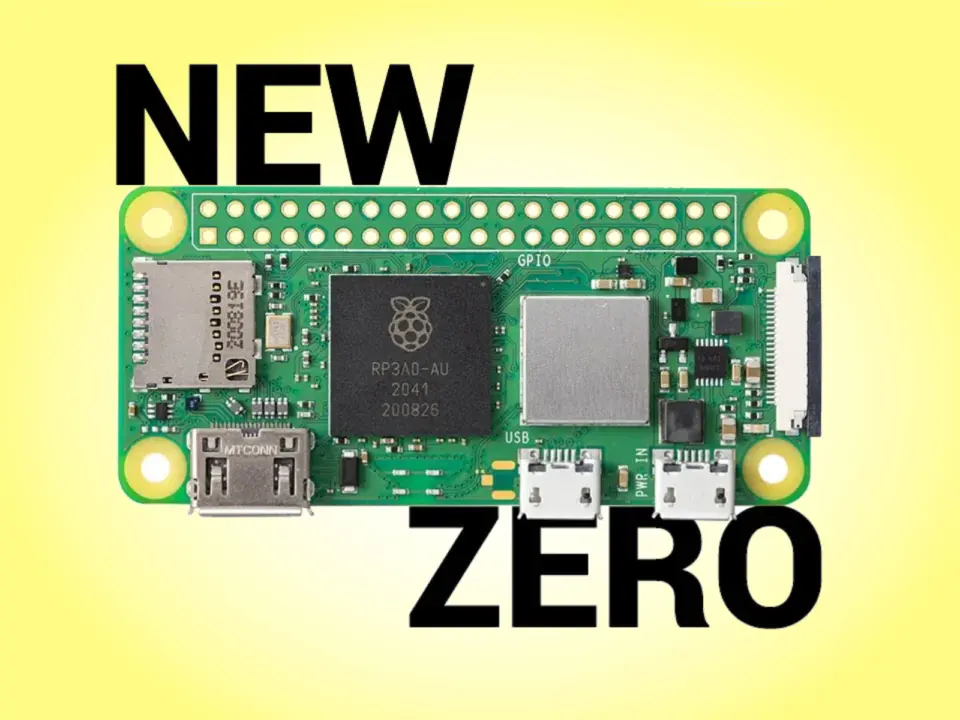
The Raspberry Pi Zero line has reached a point where its successor faces significant design and cost hurdles. CEO Eben Upton recently indicated that the next model, tentatively called the Zero 3 W, would likely require a dual-sided single-board computer (SBC) layout to accommodate modern components. This structural change marks a departure from the compact, single-layer designs that defined the original Zero and its subsequent iterations.
CEO Eben Upton notes next model requires dual-sided design and modern components that drive up production costs.
The current Raspberry Pi Zero 2 W launched in late 2021 with a $15 price tag and offered five times the performance of the original model. That device remains nearly five years old in product terms, prompting discussions about whether a new iteration is viable under today's market conditions. Current models use older chip designs that struggle to remain affordable when manufactured in large volumes for low-cost single-board computers.
A Zero 3 W would likely integrate modern system-on-chips paired with LPDDR4 or LPDDR4X RAM modules. Newer parts require more room on the board and produce heat differently compared to earlier versions. The shift to dual-sided PCB layouts allows manufacturers to stack memory and logic vertically, but it introduces manufacturing complexities that drive up production costs significantly.
Pricing for a next-generation Zero model would likely exceed the sub-$20 range that defined earlier releases. Upton noted that current RAM price pressures mean a new device would carry an 'un-Zero-like price point.' The original Pi Zero debuted at $5, while the Zero 2 W launched at $15 and currently retails for around $36.99 in some markets. Any future version would probably sit between these past design standards.
Raspberry Pi has publicly postponed new Zero-branded announcements until global RAM costs stabilize. The company is waiting for memory module pricing to return to levels that support budget-friendly hardware. Until then, the existing Zero 2 W remains the primary option for developers needing a low-cost, compact computing platform.
Discussions around a Zero 3 W model show wider issues facing the single-board computer industry. Rising part prices and changing design needs force makers to weigh better speed against keeping devices affordable. Moving toward double-sided boards shows how the whole field adapts to space limits, not just problems with the Zero series.


Discussion
0 comments
Log in to join the thread with a thoughtful take, question, or correction.