
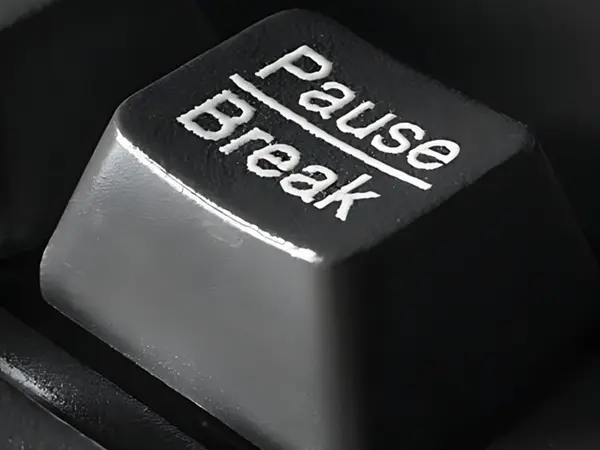
The Pause/Break key on modern keyboards is a relic of early computing, yet it remains functional and occasionally useful in specific scenarios. Historically, this key served as an interrupt signal for teleprinters in the 1950s and later became essential for halting processes in MS-DOS and BASIC environments. Its low usage in contemporary software has made it one of the most durable keys on a standard keyboard layout.
Windows shortcut opens system information dialogs quickly
Despite its diminished role in daily computing, the Pause/Break key retains niche utility in Windows operating systems. In Windows 10 and 11, pressing Win+Pause/Break opens system information dialogs, providing quick access to hardware details without navigating through menus. This shortcut remains consistent across recent Windows versions, offering a reliable method for users to check system specs.
The key's physical design contributes to its longevity. Unlike frequently pressed keys such as Enter or Spacebar, the Pause/Break key experiences minimal wear from regular typing. Its mechanical switches often outlast other components on the keyboard, making it a durable feature in both consumer and enterprise hardware.
Users sometimes assign the key to macros or custom commands, but Microsoft does not provide official support for these functions. The Ctrl+Pause/Break combination still terminates running Excel VBA macros, a function that persists despite the decline of legacy computing workflows. This specific use case keeps the key relevant in data-heavy environments where manual process interruption is necessary.
The historical context of the Pause/Break key highlights its evolution from industrial teleprinter controls to personal computer utilities. Its survival reflects how certain hardware elements persist even when their primary functions become obsolete. Keyboard makers keep the key in their designs because industry standards require it, not because consumers actively request it.
Although digital interruption tools are available today, the hardware key serves as a reliable backup option for certain diagnostic tasks. Its inclusion in keyboard designs is largely traditional, but its occasional utility ensures it has not been entirely phased out. The key serves as a tangible link to early computing practices while maintaining limited practical applications.


Discussion
0 comments
Log in to join the thread with a thoughtful take, question, or correction.