
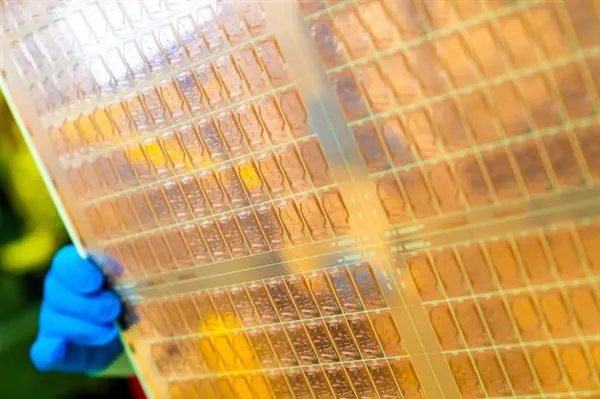
Intel demonstrated its first glass core substrate chip prototypes at the 2026 Optical Fiber Communication Conference. The company revealed these new components as a direct replacement for traditional organic substrates in advanced packaging. This development marks a significant shift toward optical interconnect technologies for next-generation AI hardware.
New glass core design replaces organic substrates in advanced packaging.
The prototype utilizes Active Optical Packaging technology to integrate eight yellow Co-Packaged Optics interface chips along the package edge. Intel claims this glass core design provides ten times the interconnect density of traditional organic or ceramic alternatives. The architecture also adopts rectangular wafer designs to significantly improve manufacturing yield over standard circular wafers.
Intel targets commercialization of its glass substrate packaging technology for the 2029 to 2030 timeframe. Competitors Nvidia and AMD plan to launch their first Co-Packaged Optics solutions earlier, targeting a 2027 to 2028 release window. These rival timelines suggest a competitive push toward optical interconnects before Intel's full commercial rollout.
Industry analysis suggests that successful adoption of glass substrates could elevate Intel Foundry Services into a top-tier global AI chip manufacturing center. The technology aims to reduce reliance on copper interconnects and address critical bandwidth bottlenecks in modern data centers.

Discussion
0 comments
Log in to join the thread with a thoughtful take, question, or correction.