
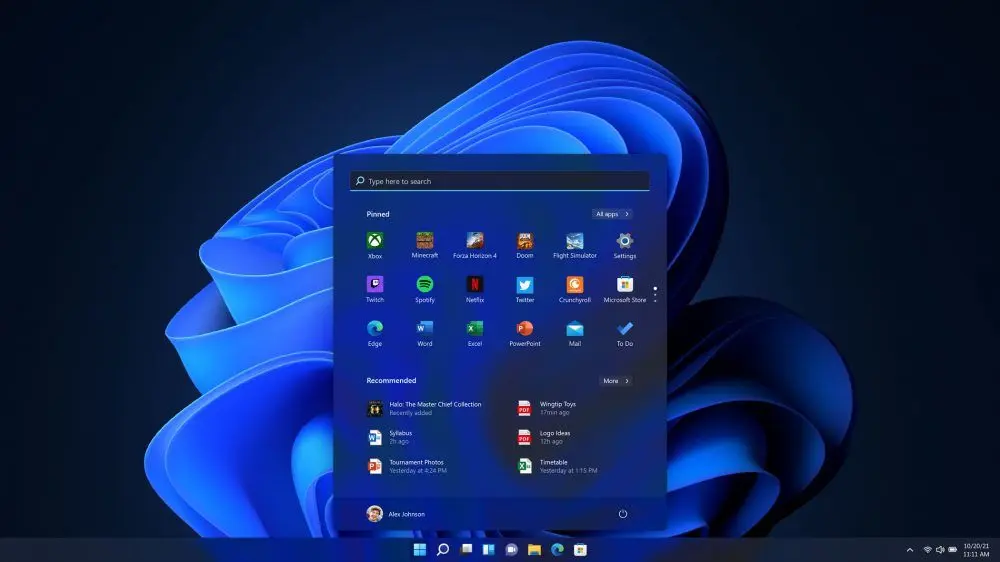
Microsoft is defending a new Low Latency Profile for Windows 11 following community backlash regarding the operating system's performance. The company announced the feature on May 9, 2026, as part of its broader Windows K2 initiative. This effort aims to make Windows 11 smoother, more stable, and more efficient for users.
New feature boosts CPU speeds to improve app launch times and reduce latency
The Low Latency Profile works by momentarily boosting CPU clock speeds to improve application launch times. This mechanism reduces latency during interactive tasks such as opening the Start Menu. Microsoft Senior Vice President Scott Hanselman explained that the feature provides quick assistance by increasing CPU frequencies for brief periods.
Hanselman noted that dynamic frequency scaling is standard practice in modern operating systems. He pointed out that smartphones, macOS, and Linux already use similar techniques to manage performance. He described the process as waking cores, boosting clocks, and rendering frames before dropping back to idle states. This approach allows systems to feel faster without maintaining high power draw constantly.
The company provided a simplified power consumption example to illustrate the efficiency gains. A core running at 800 MHz might draw 2.5 watts, while the same core at 4.5 GHz draws 15 watts. By completing a task quickly at higher speeds, the system can return to a low-power parked state faster. This results in lower average power usage compared to running the task at a lower frequency for a longer duration.
Microsoft has not confirmed specific pricing or availability details for this software update. The company continues to address performance concerns through these internal engineering efforts. The Low Latency Profile remains a key component of the Windows K2 project.


Discussion
0 comments
Log in to join the thread with a thoughtful take, question, or correction.