
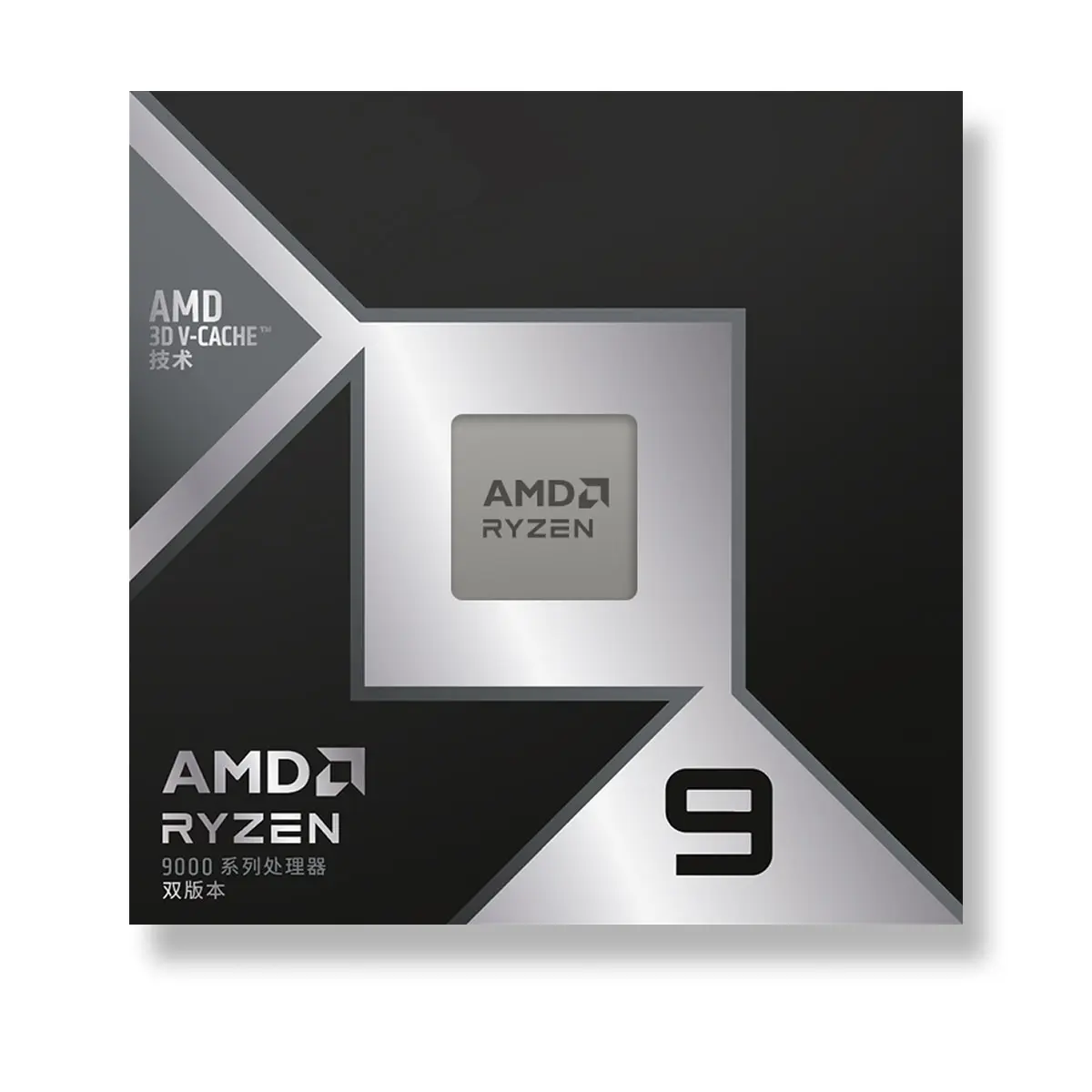
AMD announced the Ryzen 9 9950X3D2 desktop processor on April 22, 2024. AMD The chip introduces a dual-chip architecture that utilizes 3D V-Cache technology. AMD positions the processor to allow users to build desktops on the MSDT platform. This platform aims to deliver performance that competes with HEDT and workstation class systems.

The processor features a total of 192MB of L3 high-speed cache. AMD achieved this capacity through the dual-chip 3D V-Cache design. The announcement highlights this cache increase as a primary technical specification for the new silicon.
AMD set the official price for the Ryzen 9 9950X3D2 at 6999 CNY in China. The processor becomes available for purchase starting at 21:00 on April 22, 2024. This pricing and availability applies specifically to the Chinese market.
Dual-chip architecture delivers 192MB L3 cache with 5 to 10 percent productivity gains
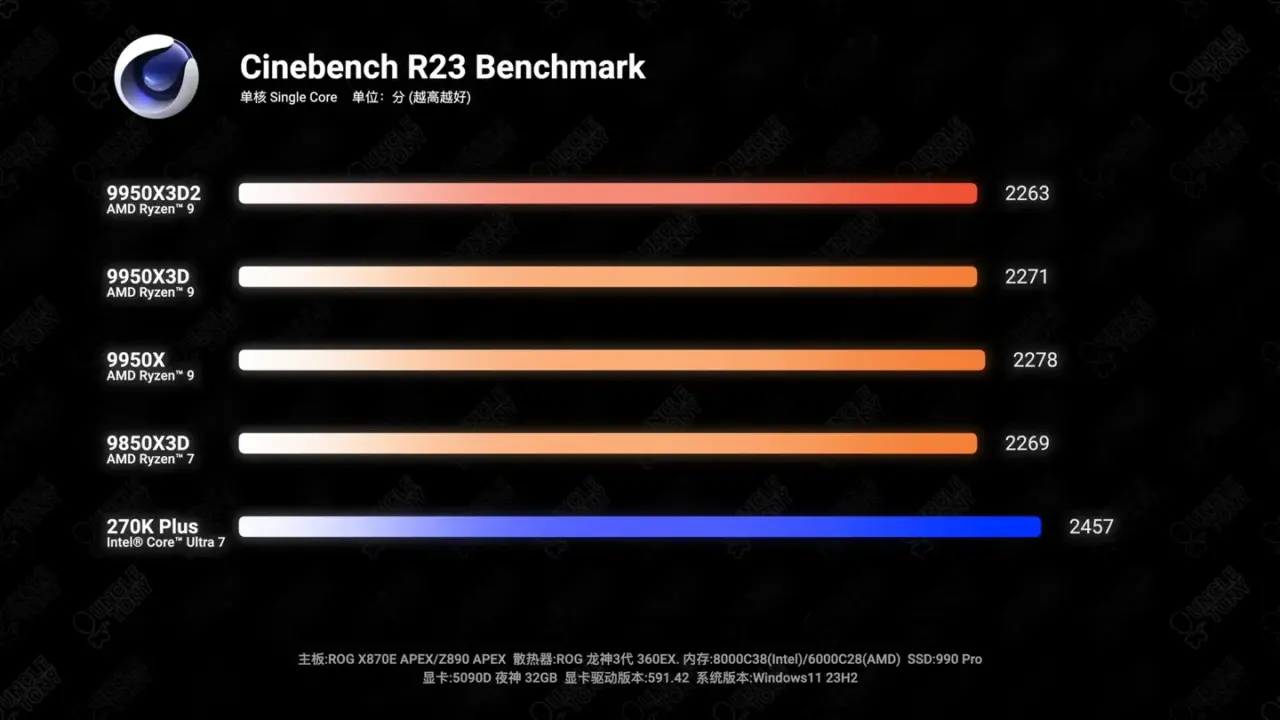
AMD claims the new chip delivers a productivity performance improvement of 5 to 10 percent over the standard 9950X3D. Ryzen These gains apply to rendering, content creation, AI and simulation, and compilation workloads. AMD states that gaming performance improvement remains near zero. This limited gaming gain results from unchanged cross-CCD latency between the two cache modules.
The performance claims rely on internal or third-party testing that lacks full disclosure. AMD has not provided specific test methodologies or benchmark details for these results. The dual-chip design represents a structural shift in AMD's desktop cache strategy.
Discussion
0 comments
Log in to join the thread with a thoughtful take, question, or correction.