
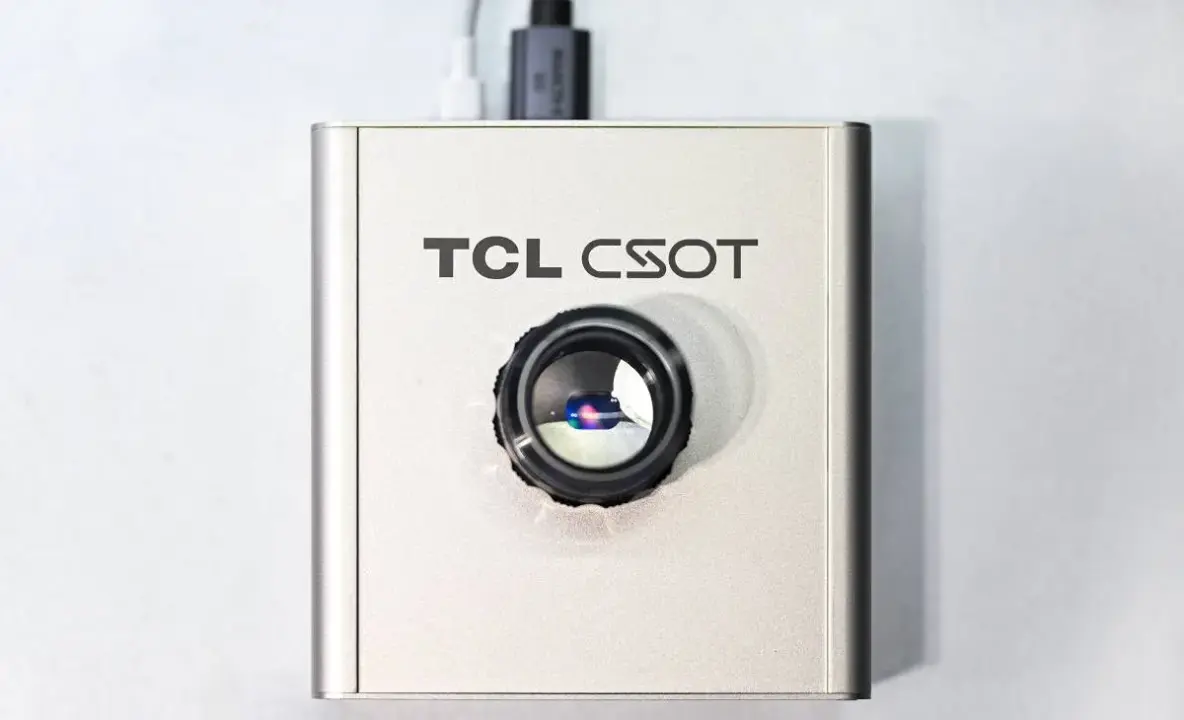
TCL CSOT has announced a new lineup of display technologies designed for extended reality applications. The company unveiled several panels that claim to hold world records for pixel density. These displays target the growing market for smart glasses and XR headsets. The announcement sets the stage for future hardware developments in 2026.
Glass-based OLED variant offers 1,700 ppi and 120Hz refresh rate
The most prominent feature is a silicon-based micro LED display. This panel measures 0.28 inches and achieves a pixel density of 5,131 ppi. It offers a resolution of 1280 by 720 pixels. The technology allows each pixel to emit its own light. This design eliminates the need for a backlight unit. The display aims to reduce the weight of smart glasses significantly.
TCL CSOT also introduced a glass-based OLED panel. This 2.24-inch screen reaches 1,700 ppi with a resolution of 2,600 by 2,784 pixels. It supports a 120Hz refresh rate and features real RGB subpixels. The manufacturer states that the 'G' in G-OLED stands for glass, indicating the substrate used. Additionally, the company showcased a 3.59-inch XR display with 1,512 ppi and a 2.48-inch LCD XR display with 2,200 ppi.
These components address the critical need for high resolution in wearable displays. Higher pixel density reduces the screen door effect and improves visual clarity. The micro LED option offers superior efficiency by removing backlight requirements. The OLED variant provides high refresh rates suitable for gaming and immersive experiences. The LCD option serves as a high-density alternative for different form factors.
TCL CSOT has not confirmed the launch window for these specific displays. The company plans to release these technologies in 2026. No pricing or availability details have been provided for the individual panels. The vendor continues to position itself as a leader in next-generation display innovation for the XR sector.



Discussion
0 comments
Log in to join the thread with a thoughtful take, question, or correction.