
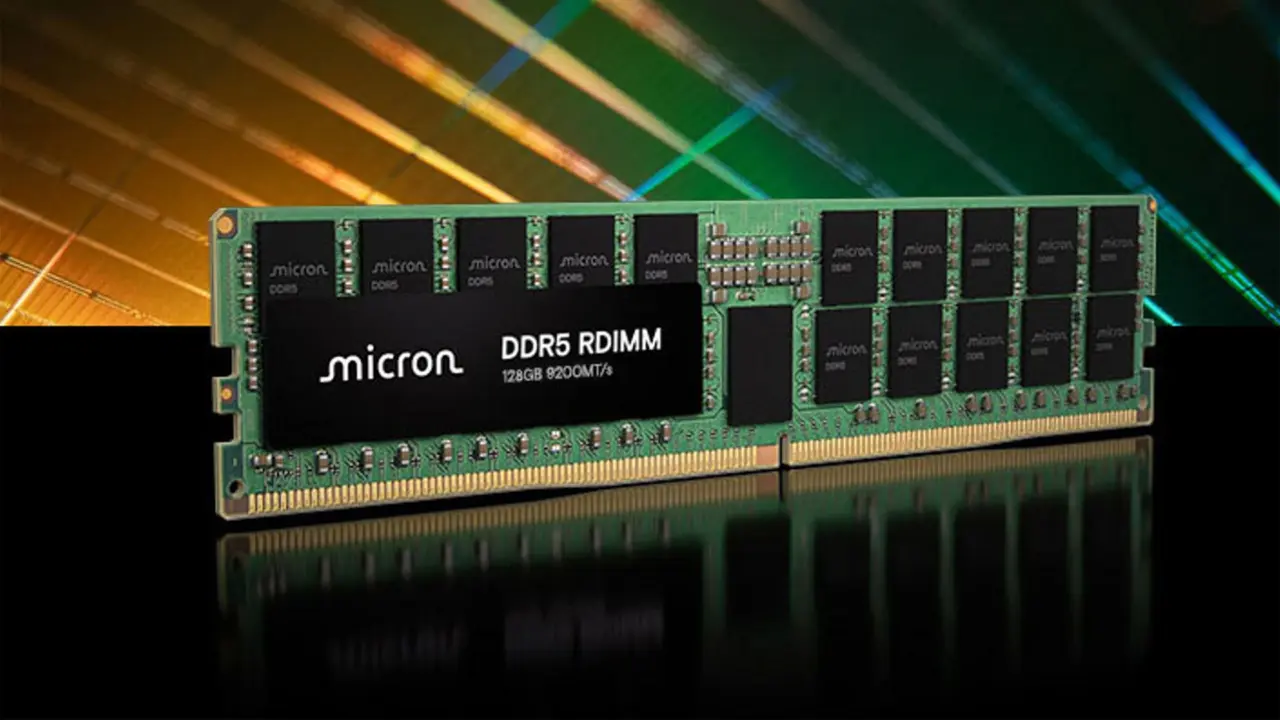
NAND flash price reached peak and is declining sharply, spot prices fell by up to 20%. This is important for buyers. Because it means that the painful shortage that causes the surge of storage component prices is over. The market turns from seller's market to a more normal market for buyers.
Storage buyers see relief as artificial shortage ends and spot prices fall sharply
The major suppliers of NAND flash, Samsung, SK Hynix and Micron, dominate the supply chain. They announced their capacity is fully occupied until 2027, 2028. They try to seal the long-term deal to ensure income in this price correction.
As October confirmed, NAND price peaked as industry generally agree. DRAM prices are still strong due to high AI and HBM demand. But the growth is moderating. In Q4, DRAM's growth is below 20%, lower than the peak levels in the past.
The cause of this correction is that clients engaged in the double ordering in the shortage time in the past. This causes inflated demand signals and artificial shortage. Now the shortage is gone. So spot prices fell sharply to eliminate excess inventories.
DRAM is strong due to AI demand. While NAND is in the correction. Due to the past double ordering practice. It's an interesting market.
Suppliers try to use long-term deal to smooth out the situation. Samsung, SK Hynix and Micron say their capacity is still fully occupied for the next few years. They want to assure investors that this is still the case. Although NAND spot price is falling now.
Now the market is watching how long their long-term deal can hold up when demand may decline.

The double ordering practice creates a bubble that bursts once the actual demand normalizes. This 20% drop is just the market correcting the inflated signals from last year.