
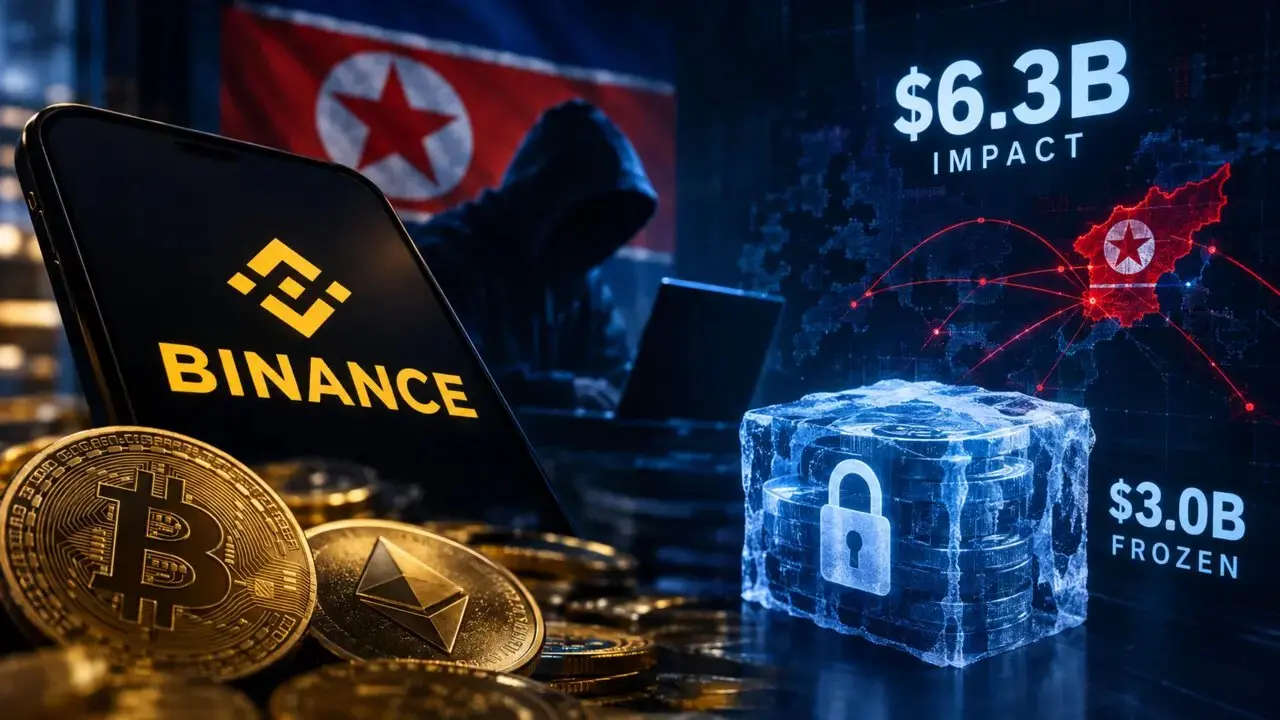
A massive hack at Binance has seen an estimated $6.3bn in user funds impacted – making it one of the biggest blows to the crypto industry. Binance assures customers that the exchange will bear the full cost (via its SAFU – Secure Asset Fund for Users), so customers do not lose money. This is critical to ensure user confidence in the platform.
Binance CEO Richard Teng confirms the exchange will cover all losses
People can rest easy depositing their funds as there is an assurance that users' money is safe from this particular incident. This is such a large hack that it has wider market ramifications and it just shows how vulnerable centralized exchange security can be.
Binance CEO Richard Teng is reassuring the community directly. The company will make good on all the losses. Users' money is safe.
The first look at this indicates that the attackers probably got in via a compromised laptop of a DevOps engineer. This shows that internal access controls and endpoint security for privileged accounts should be reviewed ASAP. This attack provided access to attackers so they could move large amounts of digital assets.
TRM Labs, Pangolin Intelligence and Chainalysis – blockchain analysis companies – believe the North Korean hacking group TraderTraitor is most likely involved in this attack. They're making this assessment based on transaction tracking and other on-chain data showing the funds being moved to North Korean infrastructure. The exchange and its partners have managed to freeze an estimated $3bn in assets to stop movement. Also, stablecoin companies Circle and Tether have frozen some assets involved, thus starving the attackers of liquidity in major stablecoin networks.
The figure of $6.3bn in affected assets is an estimate of the total funds affected, but it may not be the final total of funds that remain unrecovered. Binance shares that it's possible it all started with a compromised DevOps engineer laptop that provided an attacker with access to critical systems. The team at Binance is working with the law enforcement as well as blockchain intelligence companies to track down the funds and bring the perpetrators to justice.
This is a big reminder of how critical strong security practices are in the crypto industry. The stakes for users' money are so high here.



Six point three billion is a massive number. The SAFU fund coverage is a good safety net for users.
devops laptop breach is the classic story 😅
Has Binance specified which multi factor authentication method was bypassed or if the compromised device had it disabled?
The article does not mention specific MFA protocols. It only notes the attacker gained access via the compromised engineer laptop.
The three billion in frozen assets is an estimate. It is not necessarily the final recoverable amount.
North Korean attribution is just blockchain analysis speculation. We need hard legal confirmation before assuming state involvement.