
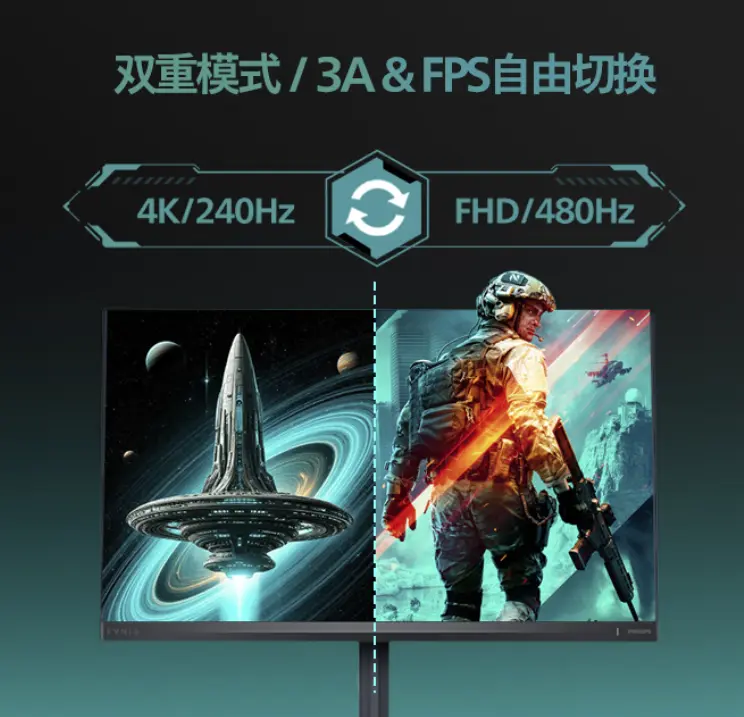
Display manufacturers are introducing dual-mode monitors that allow users to switch between high-resolution and high-refresh-rate modes. This technology targets gamers who need sharp visuals for single-player titles and fast response times for competitive esports. The core innovation lies in the ability to dynamically change the display's output without restarting the session or losing the current state.
Manufacturers test 3x and 4x refresh rate multipliers this year
A common implementation of this technology switches from a 4K resolution at 160Hz to a 1080p resolution at 320Hz. The system achieves this by using pixel merging, also known as 4:1 binning. This process combines four physical pixels on the 4K panel into one effective pixel. The action reduces the total pixel count by 75 percent and lowers the data processing load. This reduction in bandwidth pressure allows the refresh rate to double.

The hardware utilizes a dual drive circuit architecture to manage these changes. The panel contains two independent processing circuits that optimize signals for both resolution modes. These circuits enable seamless switching between the 4K and 1080p modes. The design prevents stuttering or black screens that typically occur during mode transitions.
Manufacturers are currently testing even more aggressive refresh rate multipliers. Several companies are experimenting with 3x and 4x refresh rate doublers this year. These prototypes aim to push performance beyond the current 160Hz to 320Hz standard. The industry is actively exploring how far pixel binning can extend display speeds.
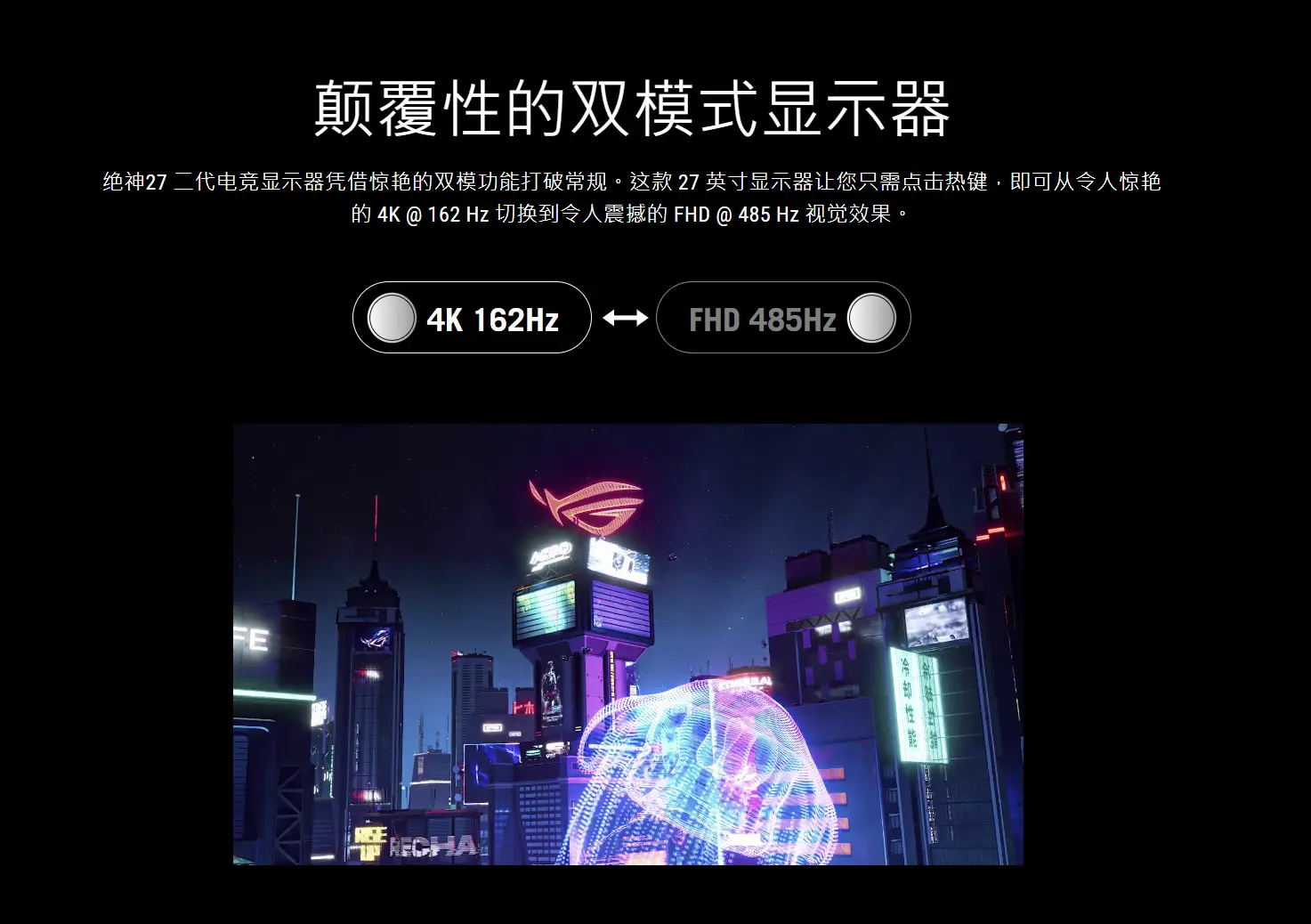
No specific vendor has been identified for these dual-mode displays in the current reports. The technology remains in the testing and explanation phase rather than a specific product launch. Consumers should expect further developments as manufacturers refine the dual drive circuits and pixel merging algorithms.

Discussion
0 comments
Log in to join the thread with a thoughtful take, question, or correction.