
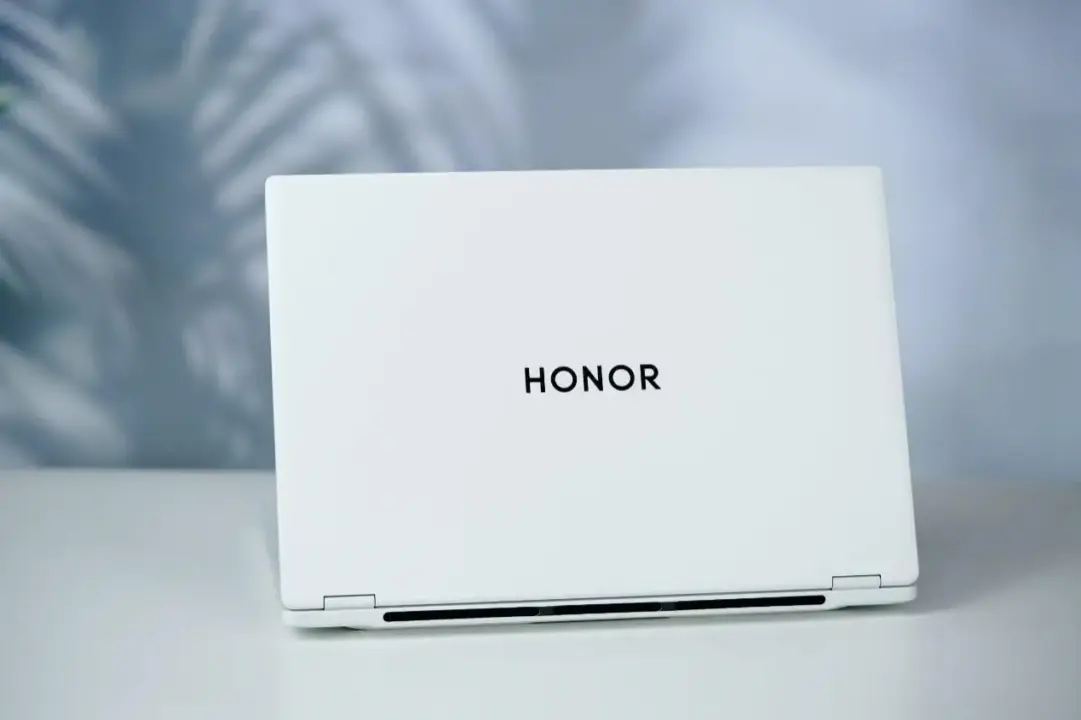
Honor has introduced the MagicBook Pro 16 2026, a laptop that challenges conventional expectations for integrated graphics machines. The device features an Intel Core Ultra 3 series processor paired with integrated graphics. Despite relying on integrated visuals, the system delivers performance that reviewers compare to an RTX 4050 discrete GPU. This combination allows the laptop to handle gaming tasks that typically require dedicated hardware.
Dual fan cooling system supports sustained high wattage output
The hardware configuration centers on an 88W power release, which Honor claims is the strongest in its class. This high power limit is supported by a dual fan cooling system with 12mm heat pipes. The laptop houses a large 92Wh battery to sustain operation. Visual output comes from a 16-inch screen with a 3072 by 1920 resolution. The display supports a 165Hz refresh rate and reaches 500 nits of brightness.
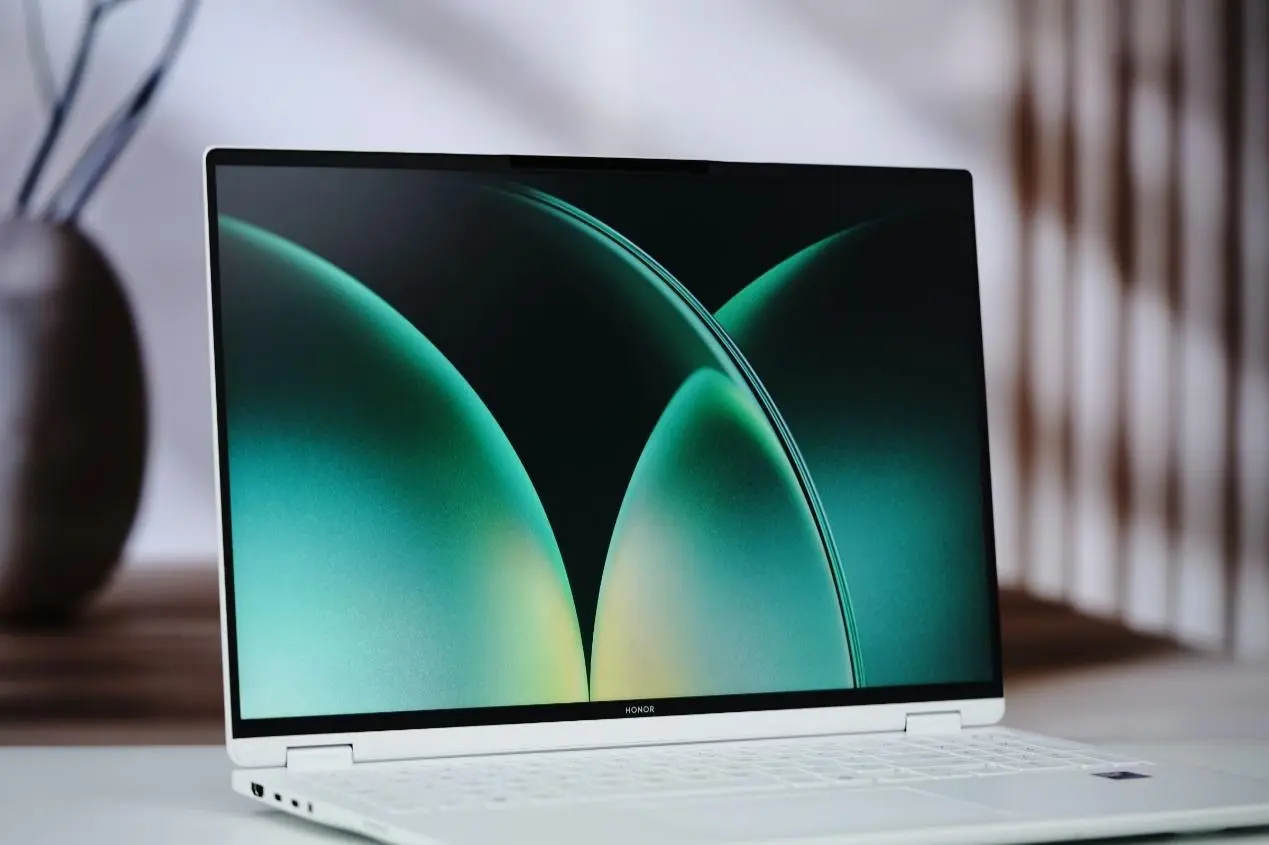
The screen also covers 100% of the DCI-P3 color gamut and uses 4320Hz PWM flicker-free dimming. The exterior finish utilizes a 3D color spray combined with natural mica powder and a heavy metal-free pearl electrophoresis process. This unique aesthetic aims to surpass the craftsmanship of competing designs. The build quality and visual design are highlighted as key differentiators in the market.
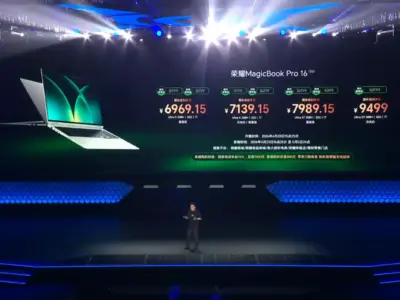
Pricing for the Honor MagicBook Pro 16 2026 ranges from 7000 to 10000 CNY in China. This price point places the integrated graphics laptop in a premium segment. Reviewers have noted the unusual nature of selling a non-discrete graphics machine at this price level. The device targets users who want high performance and a premium build without the bulk of traditional gaming laptops.
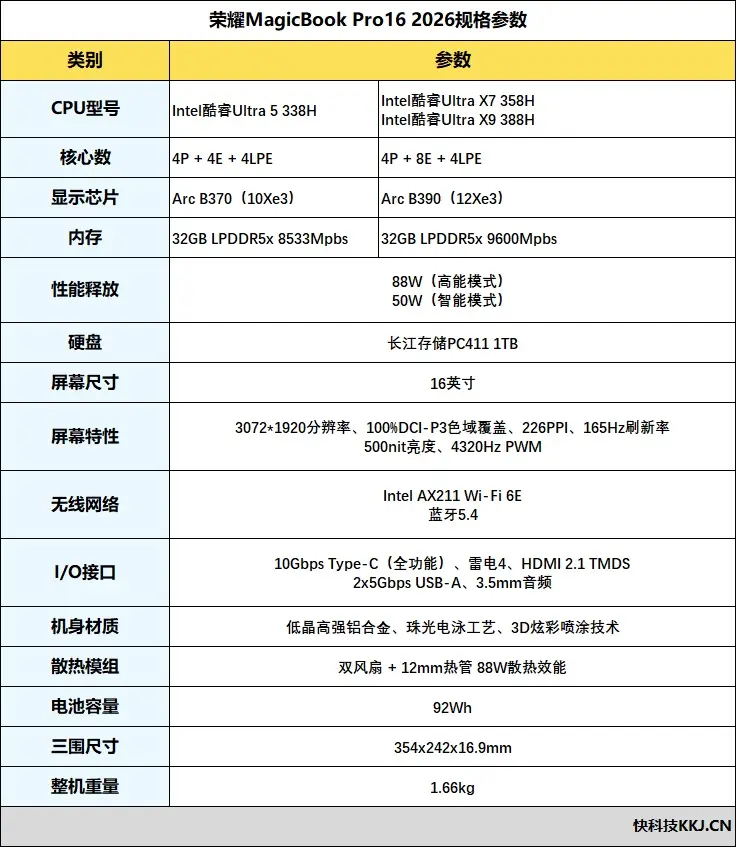
Honor positions this model as a significant step forward for integrated graphics technology. The company emphasizes the 88W power release as a major technical achievement. The inclusion of a high-refresh-rate, high-resolution screen further supports its gaming capabilities. The laptop represents a shift in how manufacturers approach performance and design in thin-and-light form factors.

Discussion
0 comments
Log in to join the thread with a thoughtful take, question, or correction.