
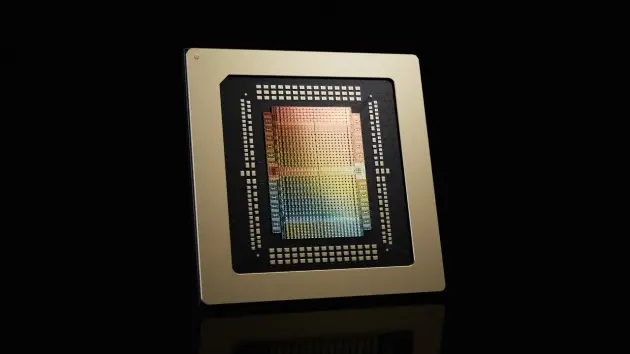
NVIDIA's Next-gen Groq LPU AI Inference Accelerator Memory Architecture: Moving away from large SRAM and to 3D stacked DRAM. Current generation Groq LPU leverages large SRAM cache to process data. But there are obvious limits in terms of capacity and density improvement with process advancement. The next-gen will dump this large SRAM design and look for something that's more scalable.
NVIDIA's next-generation Groq LPU AI inference accelerator is reportedly shifting its memory architecture from large SRAM to 3D stacked DRAM using TSV technology to overcome capacity and density limitations inherent in the current design.
NVIDIA's next-gen Groq LPU is going to leverage TSV (Through-Silicon Via) for 3D stacked DRAM. This architectural shift is designed to overcome previous small capacity limits of SRAM design. Interestingly, competitor Cerebras also announced they're going for 3D vertical integration with DRAM for their next CS-6.
Specifications
- Memory Architecture: 3D stacked DRAM
- Interconnect Technology: TSV (Through-Silicon Via)
- Previous Design: Large SRAM cache
- Primary Goal: Overcome capacity and density limits
So if you're following high performance inference hardware, developers or buyers, you should keep an eye on this architectural shift. It could be very telling on the potential of next-gen AI accelerators.
Last time we talked about the last update on Groq LPU – its application in China inference chips to circumvent export rules. This one implies a big technical pivot on the hardware itself. Recall some previous discussions on balance/stability themes of the platform.
NVIDIA is working on Groq LPU chip which is moving away from large SRAM. Next-gen Groq LPU will leverage 3D stacked DRAM with TSV technology. Addressing limitations on large model inference performance. As reported by ZDNET Korea.

Discussion
0 comments
Log in to join the thread with a thoughtful take, question, or correction.