
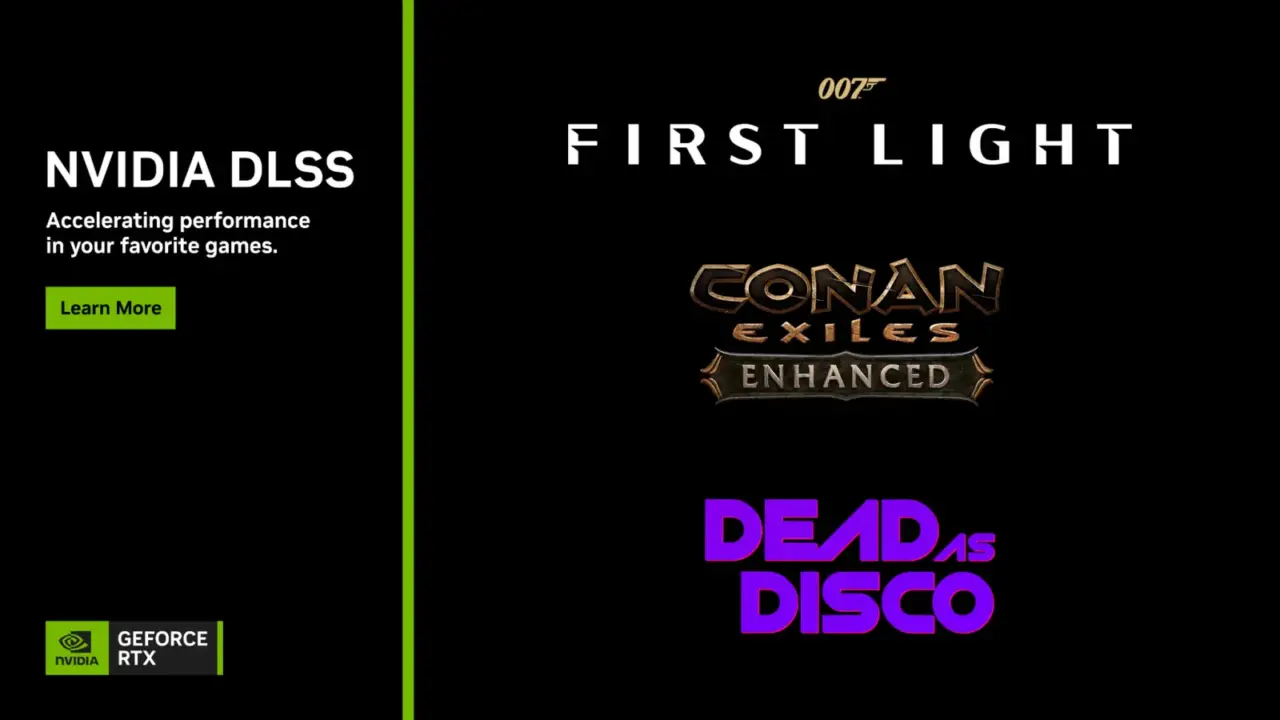
NVIDIA has released DLSS 4.5 for game developers, introducing new rendering capabilities for RTX hardware. The update adds Dynamic Multi-Frame Generation and supports 6x Multi-Frame Generation. It also incorporates a second-generation Transformer model designed for super resolution tasks. Developers can now integrate these features into their upcoming titles to enhance visual fidelity and performance.
TensorRT plugin integration boosts Unreal Engine performance by 1.5x.
Alongside the graphics update, NVIDIA opened the TensorRT for RTX plugin to Unreal Engine's Neural Network Engine. This integration allows developers to achieve a 1.5x performance improvement compared to DirectML-based solutions. NVIDIA also made Kimodo available for generating character motion while maintaining compatibility with existing animation systems. Additionally, a guide for using ComfyUI with the NVIDIA GenAI Creator Toolkit is now available for Windows and Linux systems.
The ComfyUI toolkit requires an NVIDIA RTX GPU with 16 GB or more of VRAM to function. Several upcoming games will utilize these new technologies upon release. Dead As Disco began its early access period on May 5 with support for DLSS Super Resolution and Frame Generation. 007 First Light is scheduled to launch on May 27 and will feature PC-exclusive global path tracing and DLSS 4.5.
STAR WARS: Galactic Racer is set to go global on October 6 with native DLSS 4.5 support. These releases demonstrate the expanding adoption of NVIDIA's latest software tools in the gaming sector. The hardware requirements for the creator tools highlight the continued importance of VRAM capacity for AI-driven workflows.
NVIDIA has not confirmed specific launch windows for all future DLSS integrations. The company continues to update its developer toolkit to support emerging generative AI applications in game development.

Discussion
0 comments
Log in to join the thread with a thoughtful take, question, or correction.