
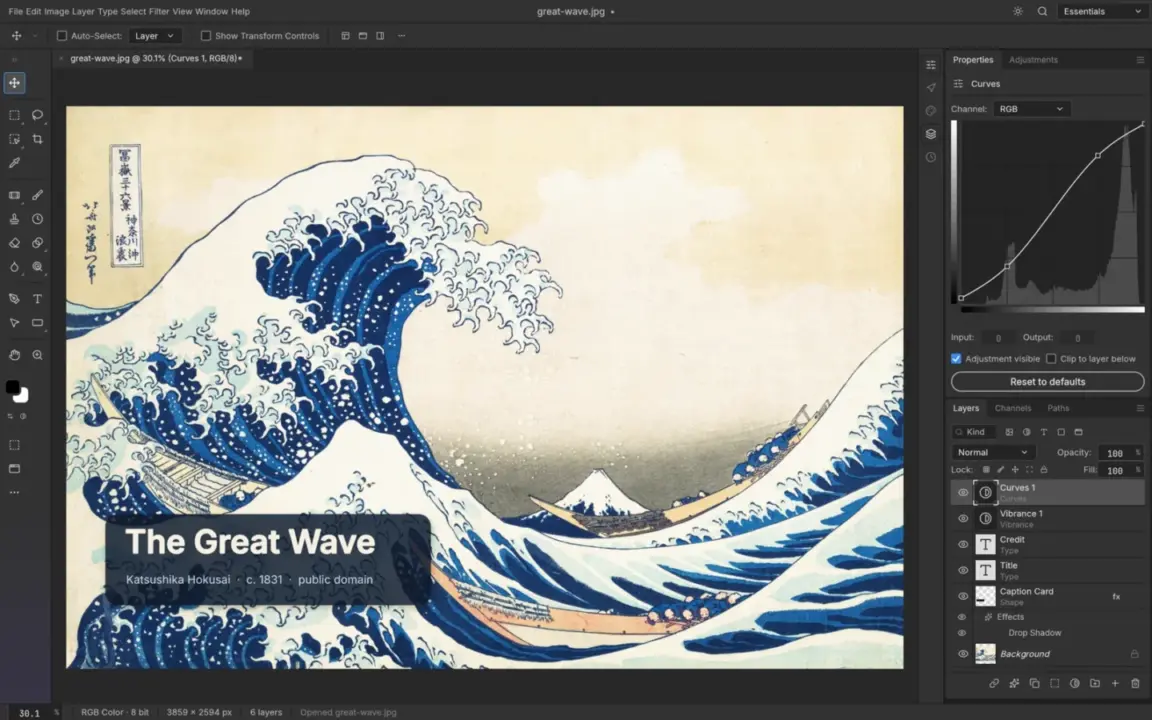
Adobe Creative Suite users have a new alternative to consider as Artcraft, a studio previously known for AI image and video generation, has pivoted to building open-source clones of Adobe applications. This development provides a potential free or low-cost alternative for creators who rely on industry-standard tools but wish to avoid subscription fees. The project represents a direct challenge to Adobe's dominance in the creative software market by leveraging artificial intelligence to replicate complex functionality.
Artcraft pivots to open-source Adobe clones using AI and Rust
The initiative is led by developer Brandon Thomas, who used Anthropic's Claude Opus 5.5 to reverse-engineer Adobe's closed-source software. Thomas states that the project aims to create a clean-room implementation of these apps using the Rust programming language. The resulting software is available as a WebAssembly version, allowing it to run directly in web browsers without requiring heavy local installations.
The current scope of the Artcraft project includes open-source clones of several major Adobe applications, such as Photoshop, Illustrator, Premiere, Lightroom, After Effects, InDesign, and Acrobat Pro. Thomas claims that the team will achieve 100% functional parity with the original Adobe products within one month. This timeline applies to an early alpha version of the software, and the technical feasibility of this goal remains unproven as the project develops.
Artcraft has secured funding for the project through token sales and plans to integrate in-app image generation options for revenue. While the software is built to mimic Adobe's feature set, the extent to which AI involvement affects final code quality is subjective and still under evaluation. Users interested in testing these alternatives should monitor the project's progress as the developer works toward the stated parity goals.
The Artcraft project illustrates a growing trend of AI-assisted reverse engineering in the software development space. By targeting high-value enterprise applications, the team is testing the limits of what can be replicated using large language models. The success of this approach will depend on whether the open-source clones can maintain stability and feature completeness over time.


Discussion
0 comments
Log in to join the thread with a thoughtful take, question, or correction.