

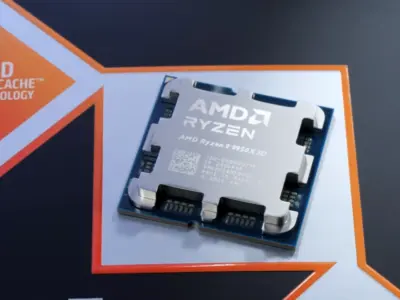
Buying a used AMD Ryzen 7 5800X3D processor carries a hidden risk for gamers: the chip might be blacklisted by Riot Games. This hardware ban blocks access to Riot titles regardless of who owns the CPU now. Buyers cannot verify if a second-hand part is clean before purchasing it. This issue highlights a growing tension between anti-cheat enforcement and the used hardware market.

Riot Vanguard hardware bans blacklist entire systems, trapping used CPU buyers
Riot Vanguard, the anti-cheat software used in titles like Valorant and League of Legends, enforces these bans at the system level. When a player cheats, Riot adds their hardware identifiers to a blacklist. The system includes the CPU, motherboard, and hard drive, not just the processor. A German PC player recently discovered this when he was banned after buying a used 5800X3D.
The blacklist was applied to the specific CPU serial number on August 12, 2024. This date marks when the previous owner's cheating incident was processed. Vanguard identifies the CPU through a mechanism that Riot has not publicly disclosed. The software flags the entire system configuration linked to that serial number.
Riot Games states that these hardware bans cannot be manually lifted. Users must replace the blacklisted components to regain access. There is no public tool or database for buyers to check a CPU's ban status. This lack of transparency forces second-hand buyers to accept the risk of inheriting a ban.
We have covered similar Vanguard updates before, where balance and stability were the main focus. This incident shifts the focus to the permanent consequences of cheating on hardware resale value. The ban remains active until the blacklisted parts are physically replaced. Players buying used components should be aware that the hardware may carry a permanent restriction.


Discussion
0 comments
Log in to join the thread with a thoughtful take, question, or correction.