
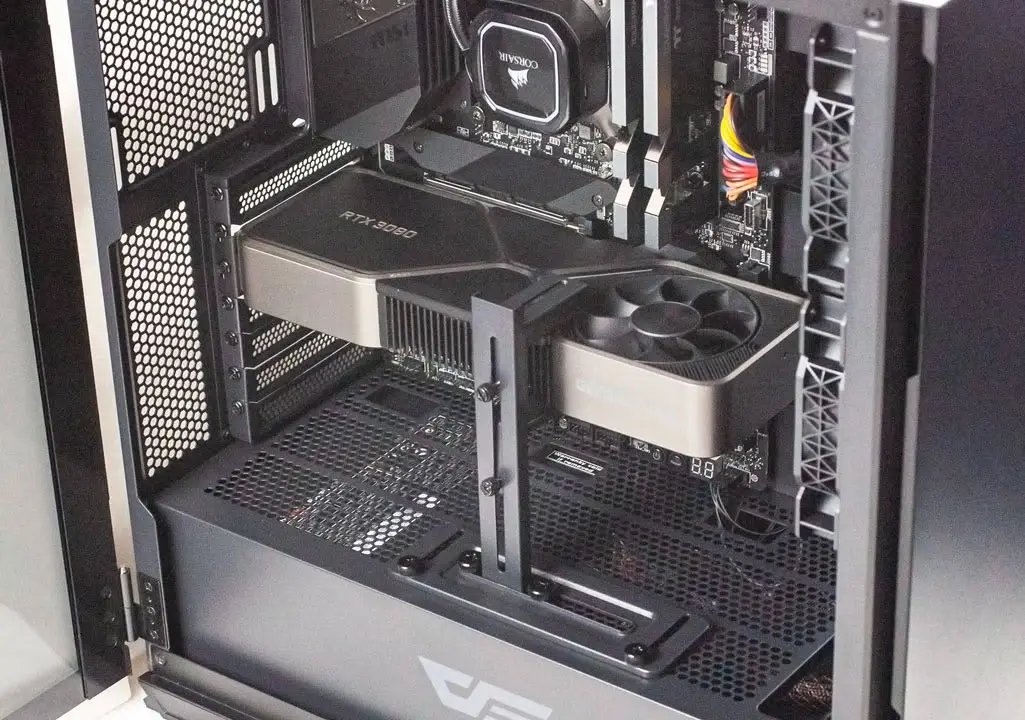
EVGA's departure from the NVIDIA partner ecosystem stems from a fundamental clash over product strategy and market control. The former product manager Brendon Ray Hedrick confirms that NVIDIA's aggressive push for its own Founder's Edition cards directly threatened EVGA's core business model. This transition marked the conclusion of a significant partnership that had shaped the high-end graphics card sector for an extended period. Consumers who previously depended on EVGA's proprietary designs now encounter a market with reduced variety from independent manufacturers.
Former manager details how NVIDIA forced EVGA to sell reference cards at a loss
The conflict began in earnest during the Pascal generation with the launch of the GTX 1080. NVIDIA started selling reference-design GPUs under its own brand, creating direct competition with EVGA's custom offerings. To maintain supply allocations, EVGA was forced to sell these reference cards at or below manufacturer suggested retail price. This pricing strategy often resulted in financial losses for the company, particularly on entry-level models.
Technical changes further eroded EVGA's competitive advantage. The introduction of GPU Boost 3.0 reduced the performance gap between custom PCBs and reference designs. This made it difficult for EVGA to justify premium pricing for its specialized cooling solutions and circuit boards. The company was compelled to compete primarily on cost instead of technical innovation, a strategy that diminished its competitive advantage.
NVIDIA also enforced strict confidentiality measures through watermarking techniques. The company placed colored dots on confidential product images to identify retailers who leaked information. This strategy focused on partners who disclosed confidential information, thereby increasing tension in an already difficult relationship. The convergence of similar technical performance and strict supply chain management significantly limited EVGA's operational flexibility.
EVGA ultimately exited the partnership due to these sustained competitive pressures. The company could no longer sustain its business model under NVIDIA's dominant strategy. This event signifies the conclusion of a significant period for a leading graphics card producer that previously set standards in the enthusiast segment. The market currently functions under a revised power dynamic between NVIDIA and its authorized distribution partners.



Discussion
0 comments
Log in to join the thread with a thoughtful take, question, or correction.