
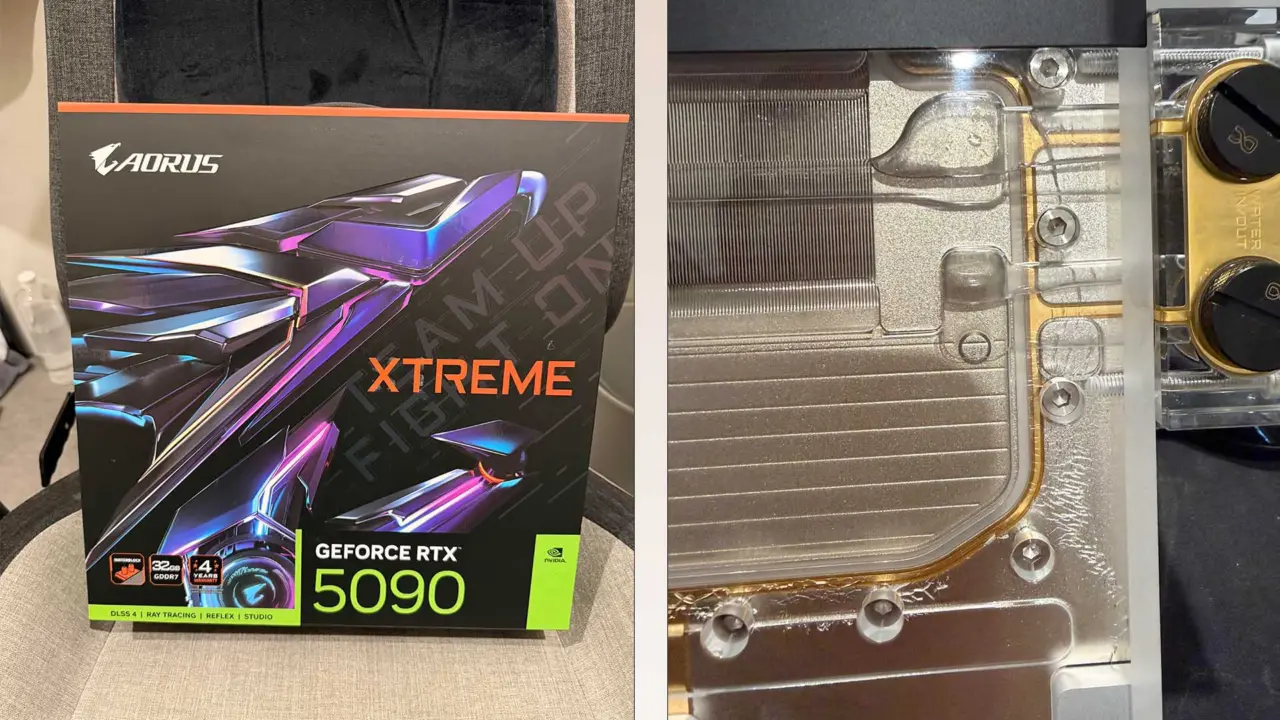
A GIGABYTE AORUS RTX 5090 XTREME WATERFORCE owner in Western Australia reported structural failure of the card's waterblock after just three weeks of normal operation. This incident matters to prospective buyers because it reveals a potential durability risk in a high-end liquid-cooled GPU that relies on complex internal plumbing. Users who prioritize long-term hardware stability should monitor this defect report before committing to the premium price tag.
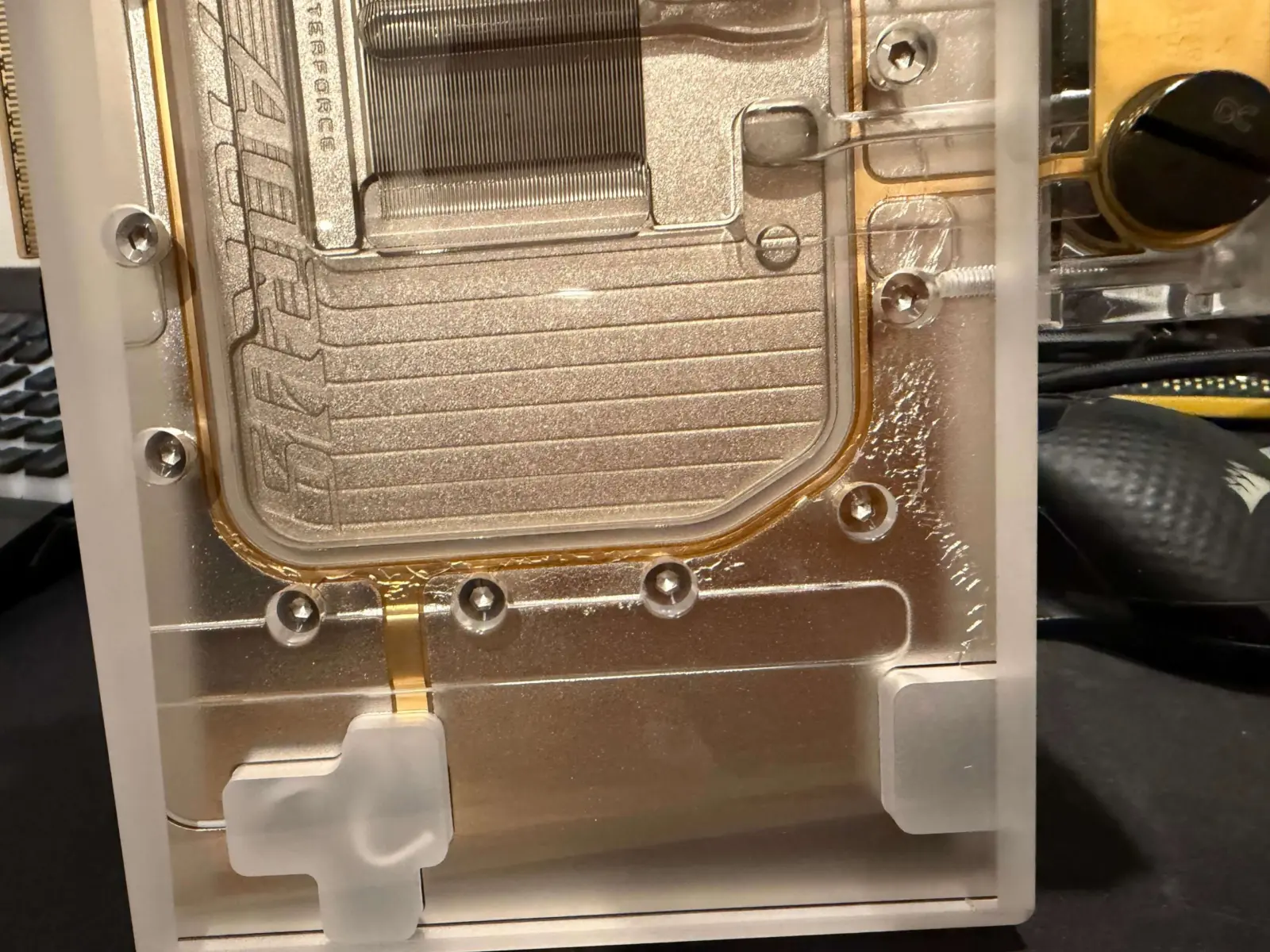
User reports structural failure of waterblock after three weeks of normal use
The affected unit is the AORUS XTREME WATERFORCE variant of the NVIDIA RTX 5090 graphics card. The user confirmed that the damage occurred without any misuse, overpressure, or the use of non-specification coolant. This suggests the failure originated from the component design or manufacturing quality rather than user error or improper installation.
GIGABYTE responded to the defect report by authorizing a full replacement under warranty. The company processed and shipped the replacement unit within two weeks of the initial report. This rapid turnaround demonstrates that the manufacturer stands behind the product's reliability despite the isolated structural failure.
While the warranty resolution was swift, the incident highlights a specific vulnerability in the waterblock assembly of this particular model. The crack formed during the early lifecycle of the hardware, raising questions about the long-term integrity of the seal and cooling channels. Buyers considering this water-cooled solution should weigh the risk of early component fatigue against the benefits of active liquid cooling.
The confirmed facts center on a single reported case of waterblock cracking and the subsequent warranty replacement. GIGABYTE has addressed the immediate issue for the affected user, but the structural integrity of the waterblock design remains a point of concern for the broader market.

Discussion
0 comments
Log in to join the thread with a thoughtful take, question, or correction.