
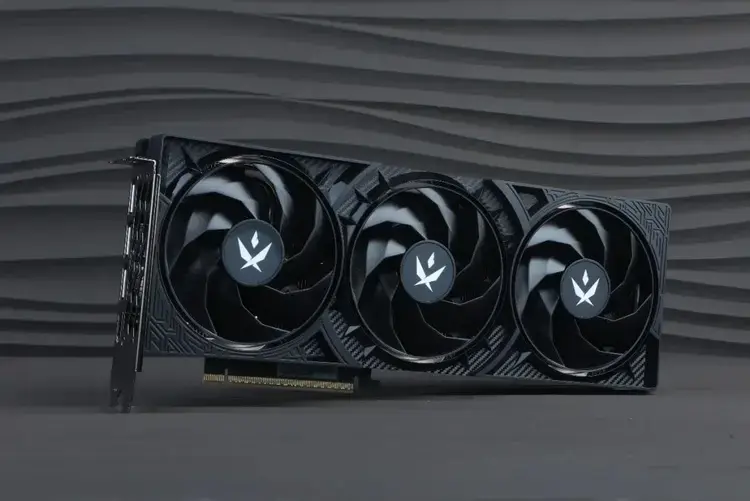
Galaxy has launched the RTX 5070 FIRE graphics card in China, offering a compact option for builders who need to fit high-end components into smaller cases. The release matters because the card meets NVIDIA SFF-Ready standards while delivering modern memory speeds, making it a viable choice for users upgrading from older, bulkier systems. Buyers looking for a balance between performance and physical footprint now have a specific model to consider.
Compact GPU meets SFF standards with GDDR7 memory
The RTX 5070 FIRE is a single-slot-friendly card that weighs just 829 grams. It measures 300x120x40 millimeters, which allows it to fit into chassis designs that typically reject full-sized GPUs. Galaxy designed this form factor to address the growing demand for small form factor (SFF) gaming PCs without forcing users to compromise on core graphics capabilities.
Specifications
- Dimensions: 300x120x40 mm
- Weight: 829g
- Memory: GDDR7 at 30Gbps
- Cooling: 3x 90mm fans
- Outputs: 3x DP 2.1b, 1x HDMI 2.1b
Under the hood, the card uses GDDR7 memory running at 30Gbps with PAM3 encoding. This memory configuration provides higher bandwidth compared to previous generation GDDR6X setups. The cooling system relies on three 90mm fans to manage thermal output within the tight physical constraints of the card's chassis.
Galaxy claims the fan design increases wind pressure by approximately 15 percent while reducing noise by 5 percent at the same rotational speed. The card features three DisplayPort 2.1b outputs and one HDMI 2.1b port for modern display connectivity. Power is delivered through a 12V-2×6 connector, which aligns with the latest NVIDIA power specifications for this generation of hardware.
Pricing for the RTX 5070 FIRE is set at 4599 CNY (around $685), which converts to approximately $685. The card went on sale in China on September 26, 2024. This price point positions the card as an accessible entry into the latest GPU architecture for the Chinese market, though availability outside this region remains unconfirmed by the source.
Galaxy highlights performance improvements in their new architecture, noting that the fourth-generation RT Core improves triangle intersection efficiency by two times over the previous generation. The company also states that FP4 throughput is double that of FP8 on Gen 4, while memory usage drops to less than half of FP16 levels. These technical claims suggest significant gains in ray tracing and AI-driven workloads for compatible software.


Discussion
0 comments
Log in to join the thread with a thoughtful take, question, or correction.