
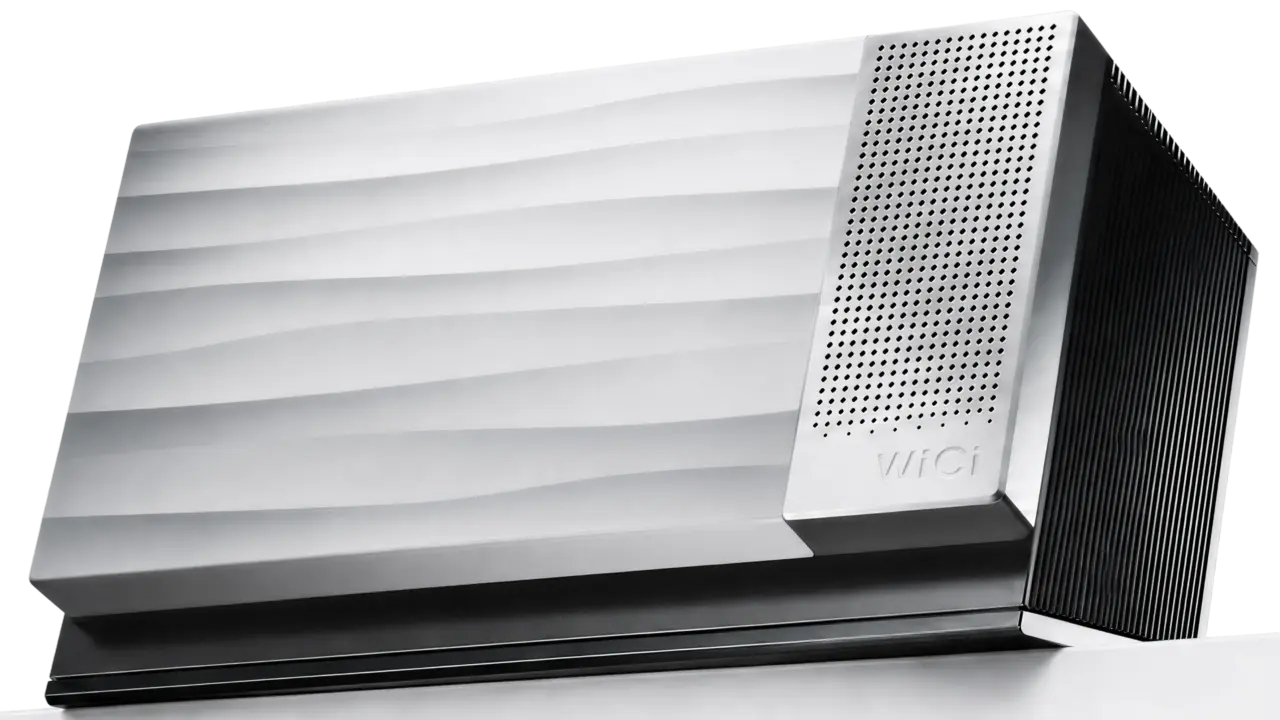
Wireless external graphics cards solve a persistent bottleneck for users who need high-end GPU power but lack internal expansion slots. The WiCi One brings this concept to life by using Wi-Fi 7 to transmit data between a host computer and a standalone enclosure. This setup allows users to run demanding local AI workloads or heavy applications without opening their main chassis. Buyers who prioritize flexible workstation setups or clean desk aesthetics will find this approach practical.
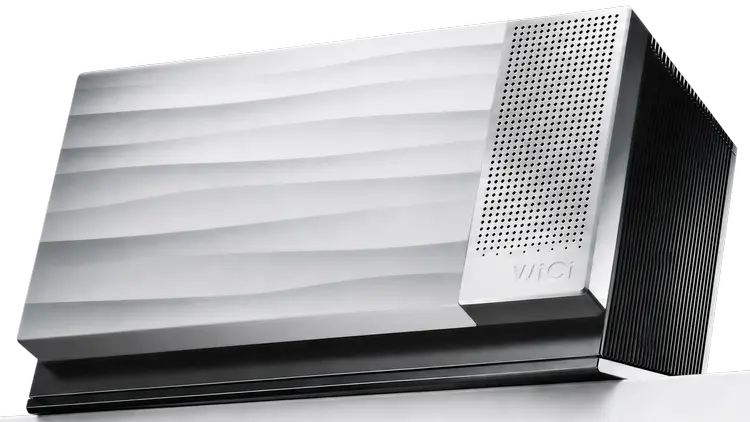
Wi-Fi 7 external GPU box targets local AI inference with 4TB SSD
The device functions as an all-in-one graphics solution that integrates compute, storage, and networking. WiCi designed the WiCi One to present a remote graphics card as if it were installed locally in the host machine. The company claims its driver software handles data caching, deduplication, and compression to mitigate the inherent latency of wireless transmission. Users can access the GPU on multiple machines simultaneously through Python libraries or an HTTP API.
Specifications
- Graphics Card: NVIDIA RTX 5060 Ti 16 GB
- Storage: 4 TB PCIe 5.0 SSD
- Connectivity: Wi-Fi 7
- Price: $1,999 (early signup)
The base configuration includes an NVIDIA RTX 5060 Ti with 16 GB of VRAM. To support large language models, the enclosure incorporates a 4 TB PCIe 5.0 SSD directly into the housing. This onboard storage allows the system to keep model weights readily available, reducing the need to fetch data over the network. The Wi-Fi 7 protocol provides the high-bandwidth connection required to move this data efficiently.
Early signups for the base model are priced at $1,999. The standard retail price is set at $2,599 for the same RTX 5060 Ti configuration. WiCi also plans to release a higher-end variant equipped with an RTX 5090 and 32 GB of VRAM. Details regarding the release date and pricing for that premium model remain unconfirmed.
The WiCi One is slated for a preview in the fourth quarter of 2026. The company acknowledges that not every API feature will be complete at launch. This wireless approach targets local AI inference and multi-device sharing rather than real-time gaming performance. The product offers a concrete alternative for users who need dedicated GPU resources without internal installation.
Discussion
0 comments
Log in to join the thread with a thoughtful take, question, or correction.