
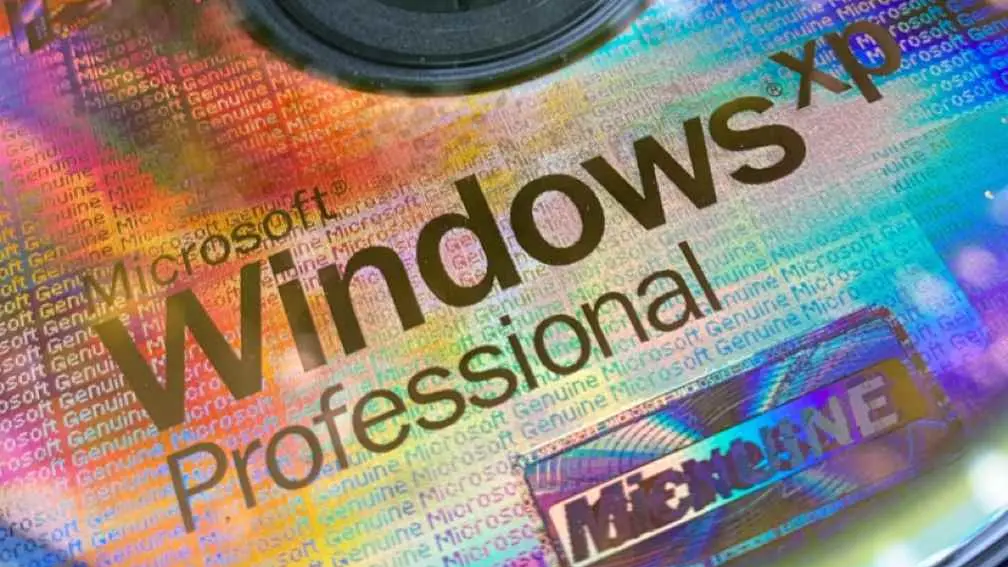
A retired Microsoft engineer has clarified the history behind the infamous FCKGW-RHQQ2-YXRKT-8TG6W-2B7Q8 product key that circulated widely before the official launch of Windows XP. This revelation matters because it shifts the understanding of the leak from a technical vulnerability to a breach of corporate security protocols. The explanation provides context for how a retail operating system key became public knowledge months before its intended release date.
Retired developer clarifies the OEM supply chain breach behind the famous FCKGW key
Dave Plummer, who worked on the Windows XP team, described the copy protection mechanism that Microsoft designed for the retail version of the operating system. The validation process relied on a 10 MB encrypted file from the discontinued Microsoft Bob software. Plummer noted that the algorithm behind this validation was created by highly skilled engineers whose expertise was evident in the complexity of the code.
The retail version of Windows XP integrated the Microsoft Bob file into its activation routine to verify legitimate copies. This technical detail explains why the specific FCKGW key was significant during the pre-launch period. The key itself was not generated by a weak algorithm but was instead the result of a security failure within the supply chain.
A major original equipment manufacturer partner, likely Dell or Intel, leaked the Volume License Key before the official October 25, 2001 launch date. Microsoft subsequently blacklisted the FCKGW key in Service Pack 1 and blocked it from receiving updates in Service Pack 2 through Windows Genuine Advantage. Plummer dismissed theories that the key generation was flawed, attributing the incident to human error rather than cryptographic weakness.
The story confirms that the widespread availability of the FCKGW key was due to an OEM leak rather than a flaw in Windows XP's copy protection design. The subsequent blocking of the key in later service packs demonstrates Microsoft's response to the security breach. This historical account clarifies the technical and operational factors behind one of the most famous software leaks of the early 2000s.


Discussion
0 comments
Log in to join the thread with a thoughtful take, question, or correction.