
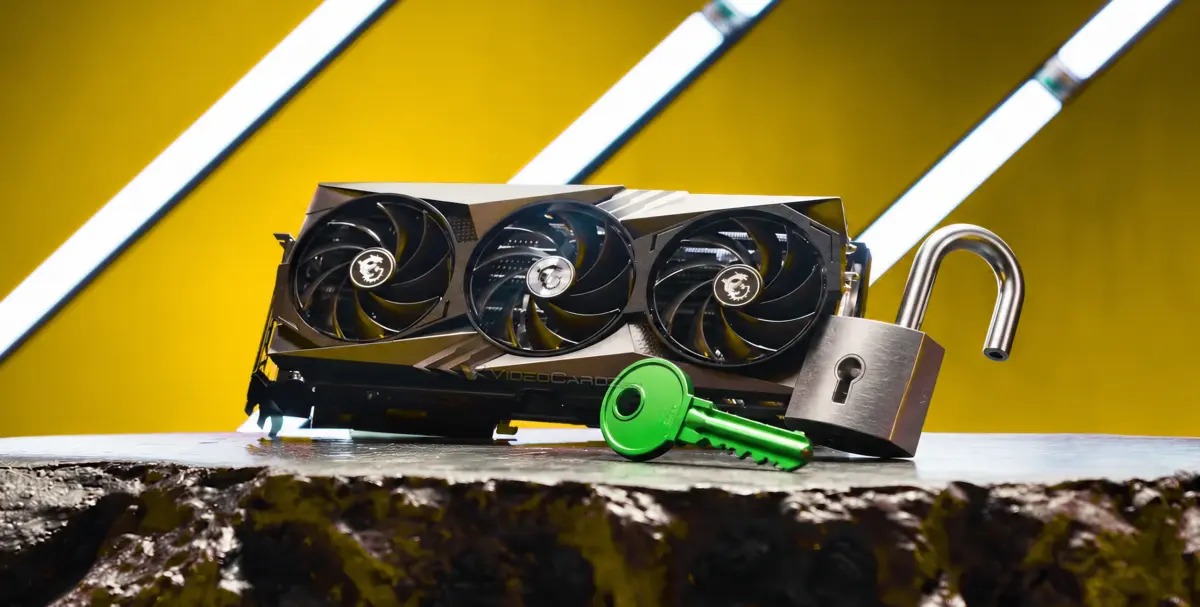
A new software mod lets gamers use advanced rendering features on older NVIDIA graphics cards. DLSS Unlocked brings DLSS 5 and frame generation to RTX 20, 30, and 40 Series GPUs. This update matters because it extends the useful life of existing hardware without requiring a purchase. Users can now access higher frame rates on cards that previously lacked these capabilities.
ShyVortex tool uses modified AMD FSR 3.1 to add frame generation to older cards
The tool, released by ShyVortex, functions as a modification for compatible DirectX 12 games. It integrates DLSS 5 Neural Rendering with AMD-based frame generation techniques. The mod redirects the frame-generation path through a modified AMD FidelityFX FSR 3.1 implementation. This approach allows NVIDIA GPUs to utilize a different rendering pipeline for frame interpolation.
- Supported GPUs: GeForce RTX 20, RTX 30 and RTX 40 Series
- DLSS Version: DLSS 5 (Neural Rendering)
- Frame Generation Method: Modified AMD FidelityFX FSR 3.1 implementation
- API Requirement: DirectX 12
DLSS Unlocked supports GeForce RTX 20, RTX 30, and RTX 40 Series graphics cards. The tool requires games that have native DLSS upscaling and frame generation support. It can produce 2X, 3X, and 4X frame generation outputs according to the developer. These performance claims suggest significant boosts in visual fluidity for supported titles.
The mod is available globally through Nexus Mods. We looked at FFmpeg Adds NVIDIA Hardware Frame Interpolation earlier while tracking Shyvortex launches. Users should note that the tool injects game files, which may trigger anti-cheat systems. This makes the software unsuitable for multiplayer games where detection risks are high.
DLSS Unlocked combines DLSS 5 with AMD Frame Gen to unlock features on older hardware. The solution does not use NVIDIA's native Blackwell Multi Frame Generation pipeline. Results may differ from native implementations due to the modified FSR 3.1 path. This mod provides a practical option for enthusiasts looking to maximize current GPU performance.
Discussion
0 comments
Log in to join the thread with a thoughtful take, question, or correction.