
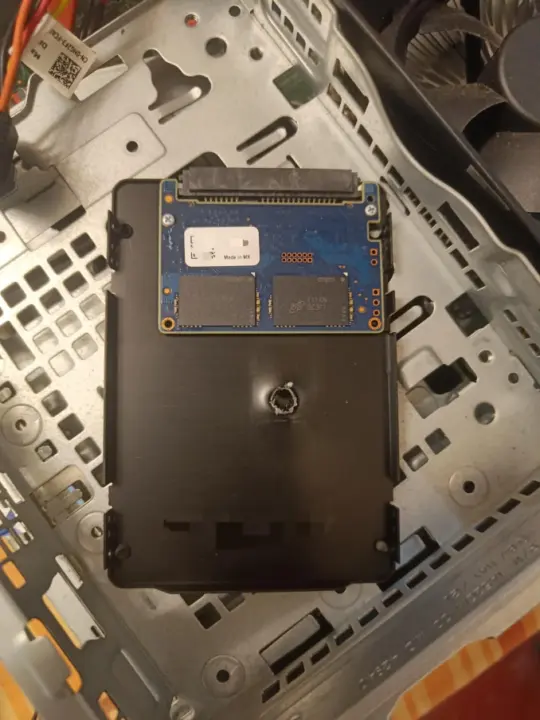
A second-hand Crucial 480GB SATA SSD found on Reddit proves that drilling holes through a storage drive does not erase data. This finding matters because many users still rely on physical destruction to protect sensitive information, assuming the device is permanently ruined. Buyers should know that physical damage to the casing often leaves the internal NAND chips intact and readable.
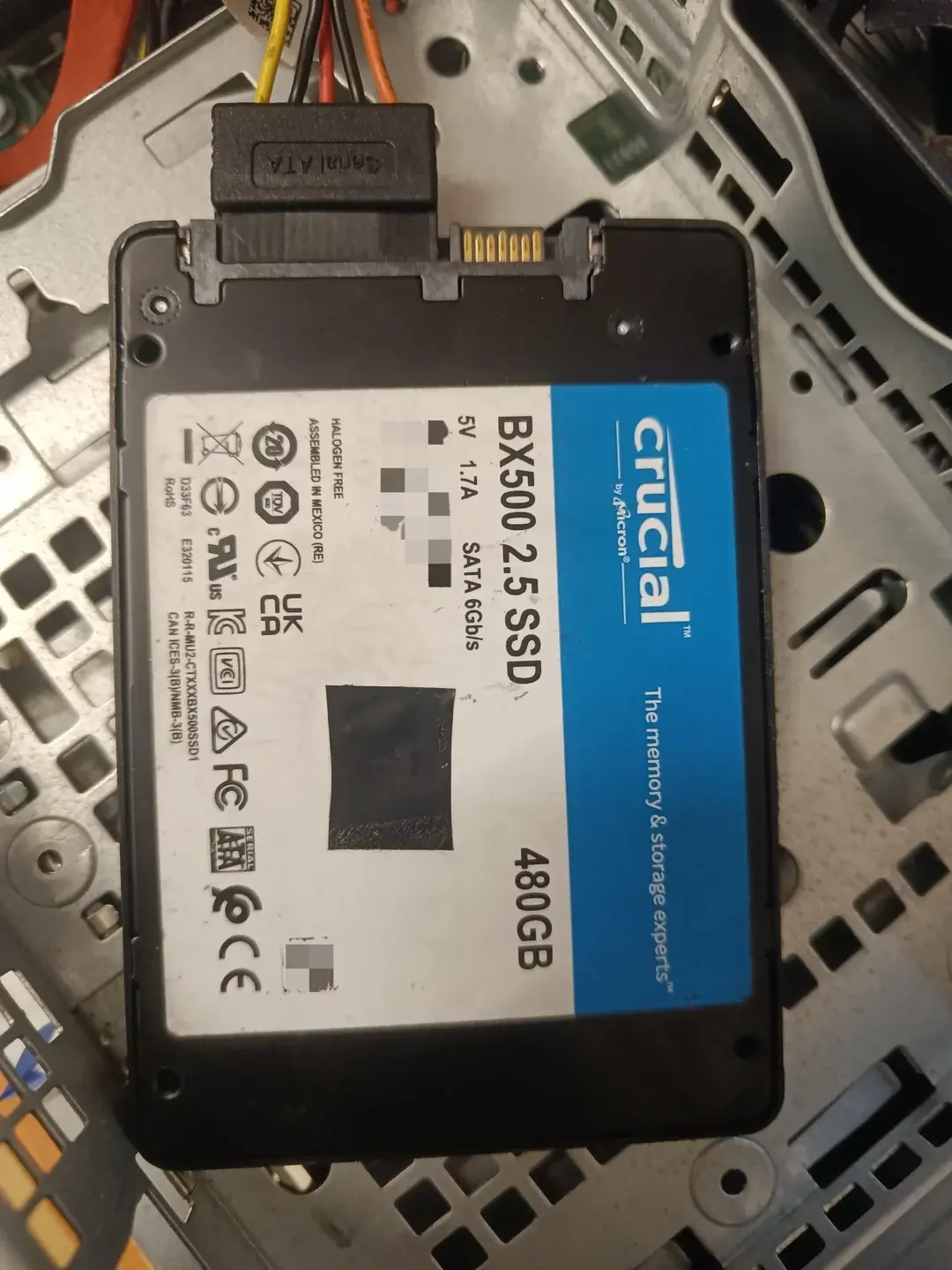
Physical drilling of SSD casing fails to erase NAND flash memory chips
The drive in question was purchased from a small business that had attempted to dispose of financial records. The previous owner drilled holes through both sides of the SSD casing and covered them with electrical tape. Despite this aggressive treatment, the drive remains fully operational and can install and run an operating system like Windows.
SSDs store data on NAND flash memory chips rather than spinning magnetic platters like traditional hard drives. Drilling through the plastic or metal casing typically misses the specific memory chips where the data resides. The electrical tape used by the original owner did not interfere with the drive's functionality or data retention.
Experts warn that residual data on the chips can still be extracted using professional recovery techniques. This means the financial data from the small business is likely still accessible to anyone with the right tools. The incident highlights a critical gap in data security practices for users migrating from HDDs to SSDs.
We looked at physical data destruction methods earlier while tracking storage security trends. The confirmed fact here is that physical damage to an SSD casing is not a reliable method for data sanitization. While software wiping or degaussing may suffice for traditional hard drives, solid-state drives require specific secure erase commands to ensure data is unrecoverable.


Discussion
0 comments
Log in to join the thread with a thoughtful take, question, or correction.