
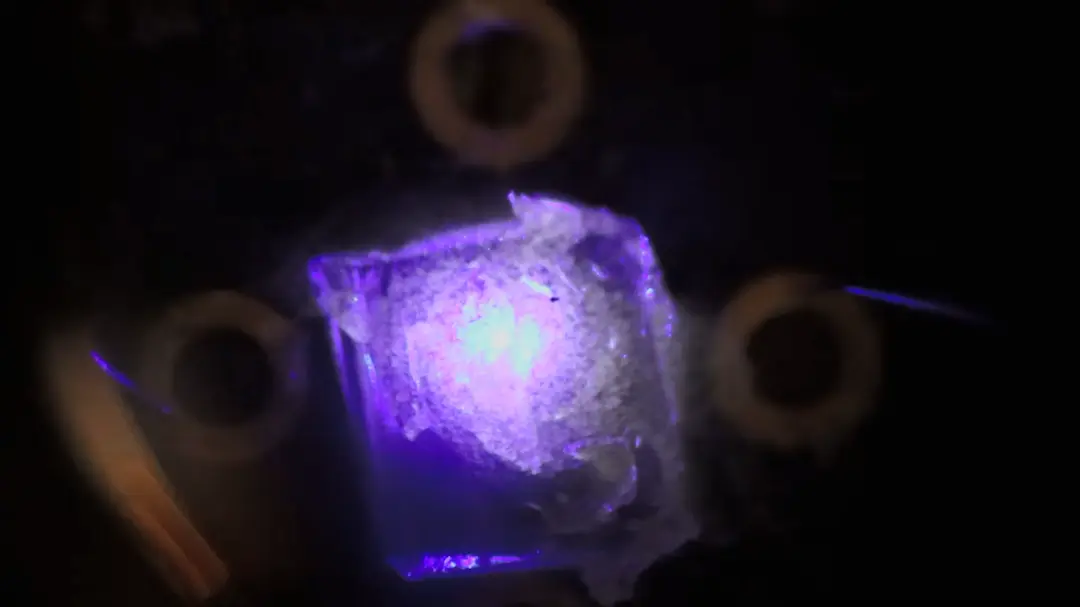
A backyard maker has successfully fabricated functional blue and white light-emitting diodes using improvised equipment. This achievement demonstrates that basic semiconductor fabrication is possible outside of industrial cleanrooms. Readers interested in DIY electronics or hardware hacking can now see a concrete example of low-cost chip making. The project highlights how accessible tools can bridge the gap between hobbyist projects and actual semiconductor physics.
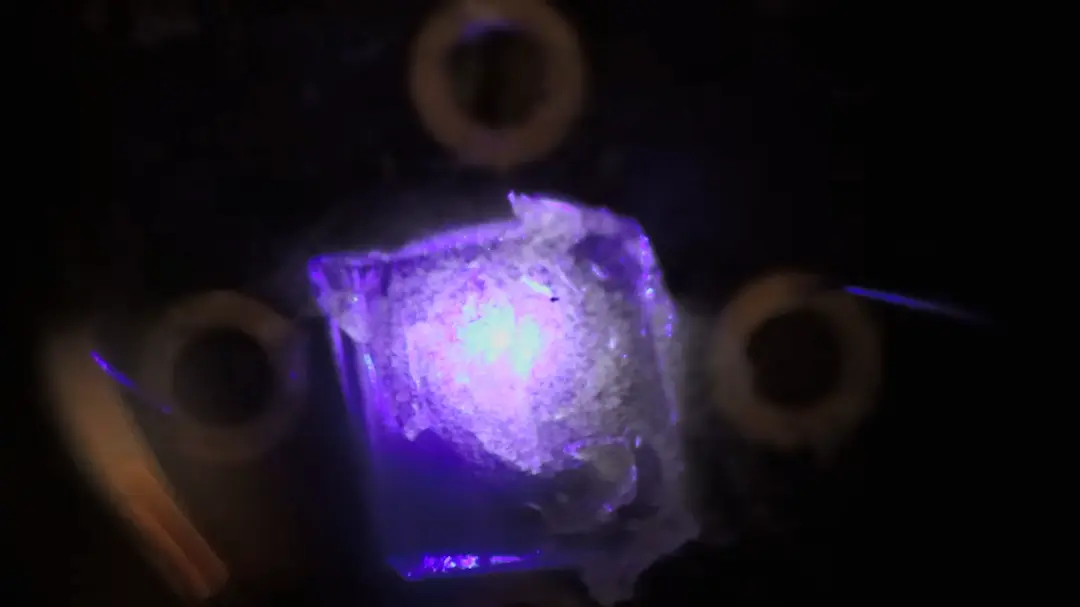
Maker uses eBay laser to etch sapphire wafers for functional diodes
Matthew Hartensveld, operating under the name Dr. Semiconductor, executed this fabrication process in a home environment. He started with a sapphire wafer and deposited gallium nitride to form the active LED layer. The core innovation lies in the etching method, which relies on a laser purchased from eBay rather than expensive industrial machinery. This approach challenges the notion that high-precision semiconductor manufacturing requires multi-million dollar facilities.
- LED Color: Blue, White
- Substrate Material: Sapphire
- Etching Method: eBay laser
- Contact Material: Indium bumps
- White LED Filter: Cerium-doped yttrium aluminum garnet
The technical process involves precise material handling and contact deposition. Hartensveld cleaned semiconductor shards using acetone and isopropyl alcohol to remove contaminants. He then deposited nickel/silver and titanium/silver layers to create electrical contacts. For the final packaging, he cut the sapphire substrate with the laser and used indium bumps to establish wire connections. These steps ensure the electrical integrity of the homemade devices.
To produce white light, the maker added a specific filter layer to the blue LED base. He applied a coating of cerium-doped yttrium aluminum garnet to shift the emitted spectrum. This chemical layer converts the blue light into the broader white spectrum visible to the human eye. The resulting device functions as a complete white LED, proving the viability of the entire fabrication chain from substrate to final emission.
Discussion
0 comments
Log in to join the thread with a thoughtful take, question, or correction.